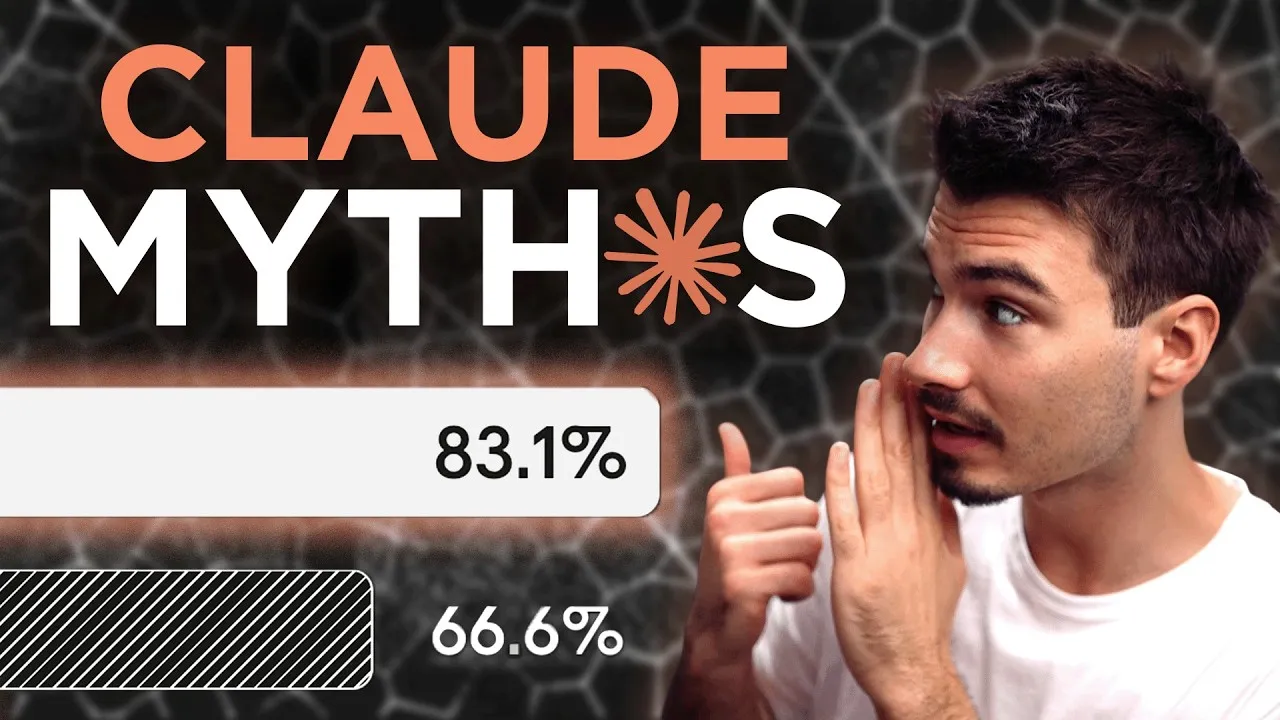
How to Understand the Power of Advanced AI Models
New artificial intelligence models are being developed at a rapid pace. Some of these models are so advanced that companies are hesitant to release them widely. This article will help you understand why these new AI models are significant and what they could mean for the future. We will look at what makes them powerful, how they are being used, and the impact they might have.
What You Will Learn
This guide will cover the following key points:
- Why new AI models like Claude Mythos are considered groundbreaking.
- The importance of the underlying AI model for advanced AI tools.
- How these powerful AI models are being used to improve security.
- The competitive race among AI companies and what it means for future developments.
- The potential long-term effects of these advanced AI capabilities.
Prerequisites
No special technical knowledge is required. This guide is designed for anyone interested in understanding the latest advancements in AI.
Understanding the Leap in AI Capability
The field of artificial intelligence is moving incredibly fast. Recently, a company called Anthropic previewed a new flagship AI model named Claude Mythos. This model has shown performance on tests that is far beyond what we have seen before. It is so advanced that Anthropic has not yet released it to the public. Instead, they are partnering with major tech companies to use it for a specific purpose: improving security.
This development is a significant moment in AI history. Claude Mythos reportedly performs much better than current leading AI models, including those from OpenAI and other major players. It’s like seeing a huge jump in technology, perhaps putting it about six months ahead of what’s available in the open-source community.
The Key Ingredient: The AI Model Itself
You might wonder what makes AI tools work so well. While the code and setup are important, the real difference-maker is the underlying AI model. Think of it like this: you can have the best recipe and the fanciest kitchen tools, but if the ingredients are not top-quality, the final dish won’t be great.
For a long time, developers tried to create advanced AI systems that could work on tasks autonomously, like completing projects or creating content. Early attempts, using older AI models like GPT-3.5, just didn’t perform well enough. The AI would forget what it was supposed to do or wouldn’t follow instructions accurately. The breakthrough came with better AI models, like Opus 4.5 and now Opus 4.6. These models significantly improved the AI’s ability to remember tasks, follow complex instructions, and handle large amounts of information without getting confused.
This improvement in the core AI model is what made tools like OpenClaw, which helps users create content and automate tasks, truly effective. Claude Mythos represents another massive leap forward from these already powerful models.
Using Advanced AI for Security
One of the most striking aspects of Claude Mythos is its current application. Because it is so powerful, Anthropic is using it to find and fix security weaknesses before they can be exploited. They call this effort ‘Project Glass Wing’.
The AI has demonstrated an incredible ability to identify vulnerabilities. For example, it found security flaws in a 17-year-old operating system. It also found a 27-year-old vulnerability in OpenBSD, a system known for its strong security. In another test, a previous AI model found only two security issues in the Firefox browser, but Claude Mythos found 181.
This capability is invaluable for tech companies. By using Claude Mythos, they can discover and fix security holes in their own systems and products, making them safer for everyone. This proactive approach helps prevent potential cyberattacks and protects user data.
The AI Arms Race and Its Impact
The release of powerful new AI models often sparks a competitive reaction among major tech companies. When one company makes a significant advancement, others feel pressured to keep up.
Recently, a new open-source coding AI model called GLM 5.1 was released, matching the performance of some paid, advanced models. This happened just hours before Anthropic’s announcement about Claude Mythos. This timing suggests a strategic response, perhaps to show that open-source options are also advancing rapidly.
Companies like OpenAI and Google are now likely working even harder to release their own competitive models. This constant innovation means that the capabilities of AI tools will continue to improve at an astonishing rate. For consumers and businesses, this means access to increasingly powerful tools that can automate tasks, boost creativity, and improve efficiency.
Thinking About the Future: Second and Third Order Consequences
The full impact of advanced AI models like Claude Mythos will unfold over time. We can already see how these tools are changing industries, especially those heavily reliant on software and digital content. For example, content creators are finding immense value in using AI to help with writing scripts, generating ideas, and even creating visuals.
However, the effects will spread further. As AI becomes more capable, more businesses, even those in less digital fields, will find ways to benefit. This creates a growing gap between those who adopt and utilize these AI tools and those who do not.
The competition driven by these advancements will also lead to more powerful tools becoming available. Companies will likely release their own versions of advanced AI assistants, forcing further innovation. This acceleration means that the way we work, create, and solve problems could change dramatically in the coming months and years.
Conclusion: Stay Informed and Adapt
The rapid progress in AI, highlighted by models like Claude Mythos, is both exciting and challenging. It underscores the importance of staying informed about these developments, even if you don’t plan to use the most advanced tools immediately.
Understanding what is possible with AI can help you identify opportunities and prepare for the future. As these powerful AI systems become more integrated into our lives, adapting to their capabilities will be key to thriving in the evolving technological landscape. The journey with AI is accelerating, and staying curious and informed is the best approach.
Source: Anthropic Built an AI So Dangerous They Won’t Release It (Claude Mythos) (YouTube)