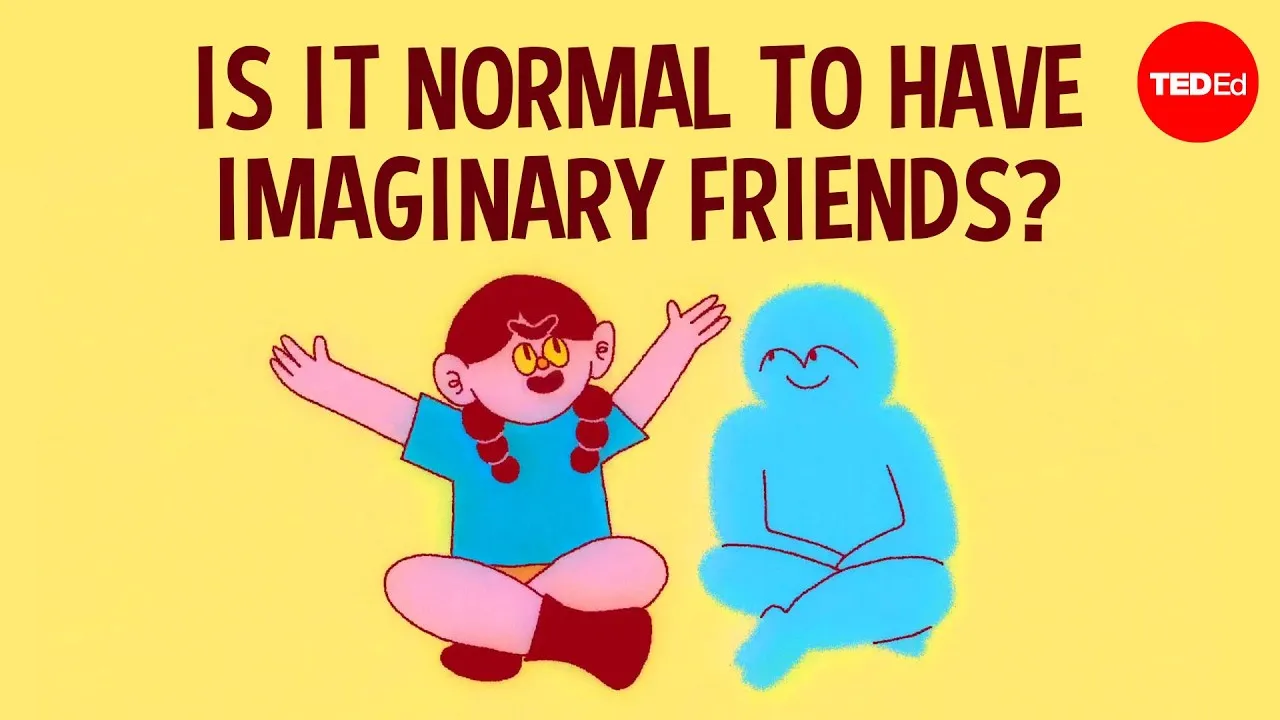
What to Know About Your Child’s Imaginary Friends
Many children develop imaginary friends as they grow. These invisible companions are a normal part of growing up for many kids. They can even offer a unique kind of support that real friends cannot always provide. This guide will help you understand why children create these characters and the benefits they offer.
Why Do Kids Create Imaginary Friends?
Most often, children invent these friends because they are looking for someone to play with. Imaginary friends are usually created by children around 3 to 4 years old. This is often the case if they do not have siblings close in age. These children tend to enjoy being around others. They like company, so they create more of it for themselves.
While most children enjoy pretend play, kids with invisible companions are especially fond of making believe. One study even showed that these children were better at telling stories. This suggests that imagining friends might help with language and thinking skills. Experts have not found other significant differences in personality, intelligence, or shyness between children with and without imaginary friends.
What Are Imaginary Friends Like?
The invisible characters themselves can be very different. They might be animals, real or made-up. They can also be people of any age, shape, or size, sometimes with unusual features. Some children have one imaginary friend, while others have a whole group of them.
These figures can even be toys or stuffed animals that a child brings to life with their imagination. These imaginary friends can also differ by location. A study in 2004 found that about 67% of children under 8 in the US had invisible companions. In Japan, personified objects were more common.
The Many Roles of Imaginary Companions
These fictional figures don’t just look different; they also serve many purposes. Many act as playmates and confidants. Others might be scapegoats for bad behavior, helpers for tasks, or even babies needing care. This wide variety is why researchers often call them invisible or imaginary “companions.” They are not always friends.
In fact, researchers have noted children who argue with their imaginary companion or are scared of them. These situations can worry parents. However, they are completely normal. They actually show the special power of imaginary companions: each character is designed to meet the creator’s needs or desires.
Benefits of Imaginary Companions
By creating a scary invisible companion, a child might be exploring feelings of fear and learning how to overcome them. Practicing imaginary disagreements helps kids learn to handle conflict without real-world trouble. Working through these arguments can help them explore empathy and caring for others.
Invisible companions give children the chance to explore emotions and social interactions on their own terms. Research shows that children know these characters are imaginary. This means the kids are always in control, even if it doesn’t always seem that way. Some invisible companions stay with their creator through their teenage and adult years.
When Imaginary Friends Typically Fade
Generally, as children start making friends at school around age 5 or 6, they talk about their imaginary companions less and less. However, the time spent with these fictional figures can have lasting benefits. Pretend play helps strengthen a child’s “theory of mind.”
This is our skill to understand, imagine, and guess what other people are thinking. This skill can help kids develop empathy and build relationships. While we might stop talking to our invisible companions, we never stop talking to ourselves. When you practice a tough conversation in your head or talk through problems with a pet, you are using the same skills learned from imaginary companions. This helps you solve problems and manage your feelings.
Conclusion
So, the next time you see a child talking to themselves, remember that you are witnessing the start of a lifelong conversation. Imaginary friends are a positive and normal part of childhood development, offering valuable lessons in social skills, emotional understanding, and problem-solving.
Source: Is it normal to have imaginary friends? (YouTube)