AI Investment Bubble Shows Cracks, Consumers May Benefit
The hype around Artificial Intelligence (AI) has been massive, with huge investments pouring into the sector. However, some experts have warned that this rapid growth might be unsustainable, like a house of cards. Now, the signs of a potential bubble bursting are becoming harder to ignore, and this could finally mean good news for everyday consumers.
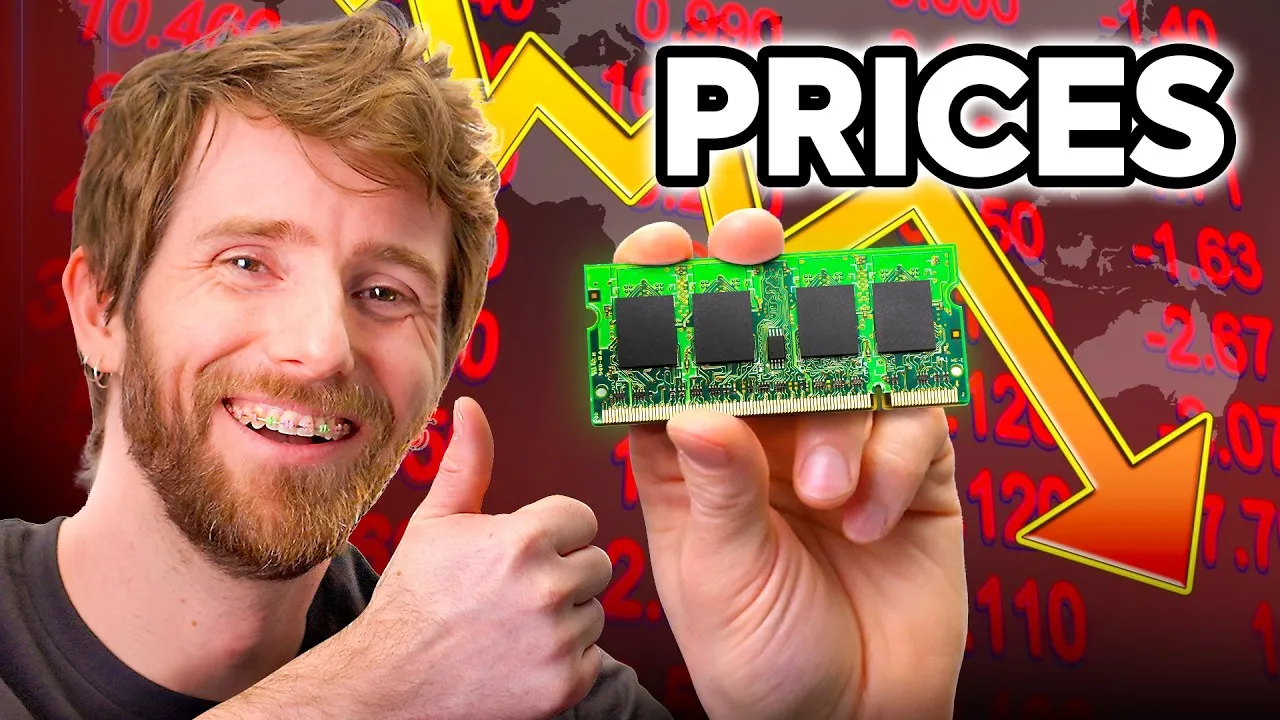
DDR5 memory prices are starting to fall globally, a key indicator that demand might be cooling. Even leaders in the AI space have admitted that not all investments are rational. OpenAI CEO Sam Altman himself acknowledged back in August that some money flowing into AI was not sensible, and that people could get hurt.
Altman’s credibility took a hit recently. He initially sent a letter of intent to buy 40% of the total production capacity from two major DRAM producers, then quickly backed out. This is like promising a big check and then saying, “Never mind.” This situation suggests we are nearing the end of the era of reckless spending on AI infrastructure.
Understanding the Bubble
What exactly is an economic bubble? Think of it like this: prices for something go way up, much higher than its real worth, because everyone is rushing to buy it. They hope to sell it later for even more money. A famous example is “tulip mania” in the 1600s. Tulip bulbs in Holland became incredibly popular and expensive, with rare ones costing as much as a house. When the bubble burst, prices dropped dramatically, leaving many investors in debt.
Tulips didn’t become worthless, but their value settled back down compared to other things. Now, let’s look at AI and why some see it as a bubble.
Sky-High Valuations vs. Real Revenue
The main reason for concern is the extremely high valuations of leading AI companies. Companies like Anthropic are valued at $380 billion, XAI at over $200 billion, and OpenAI is astonishingly valued at $852 billion, nearing the trillion-dollar mark. While high valuations aren’t always bad, they usually come with huge revenues.
For example, Samsung, a major player in AI hardware like HBM memory for GPUs, has yearly revenues over $220 billion. How does its value sit below OpenAI’s? OpenAI recently announced revenues exceeding $2 billion per month, reaching this milestone faster than giants like Google and Meta. This is impressive, but revenue isn’t the same as profit.
Samsung makes over $28 billion in profit annually. OpenAI, on the other hand, has similar revenue but is still losing billions each year, even after more than a decade. Their plan seems to be more consumer AI subscriptions. OpenAI believes massive infrastructure investment is needed to make AI as common as electricity, then they can charge their users.
Questionable Plans for Profitability
OpenAI already has 900 million users, about one in ten people on Earth. While they could target the remaining nine, it’s hard to believe this alone will turn billions in losses into billions in profits. Enterprise tools are another option, but businesses are likely to be critical of AI that isn’t close to true general intelligence.
The integration of AI into businesses has been mixed. For many, it’s more of an annoyance than a help. Even if AI adoption is inevitable, companies might prefer hosting AI models locally using cheaper, open-source options instead of relying solely on OpenAI. Plus, strong competitors like Google and Anthropic are not standing still.
OpenAI often acts as a barometer for the entire AI industry, similar to how Bitcoin’s performance influences the cryptocurrency market. Currently, the outlook for OpenAI and the broader AI sector isn’t looking as strong.
Signs of a Slowdown
Recent reports show OpenAI has drastically cut its spending targets for 2030, aiming for $600 billion instead of previous ambitions. This could impact their ability to secure massive amounts of memory, potentially easing pressure on competitors.
Energy costs are another significant expense for AI companies, and they have soared. This trend has accelerated due to global instability. OpenAI’s sudden cancellation of its Sora 2 video generation app is a prime example; it was likely costing too much to operate.
Oracle, despite announcing a partnership with OpenAI and boasting about high demand for AI infrastructure, recently laid off up to 18% of its global workforce. While Oracle’s stock has seen some gains, its overall trajectory is concerning, and it’s trading significantly below its all-time high.
Microsoft is also experiencing a similar correction, trading only slightly above its November 2021 peak. Not all AI companies are struggling, however. Nvidia continues to sell hardware at an incredible pace, and Google and Meta have seen smaller pullbacks, more in line with general market uncertainty.
Meta and Google’s Different Approach
Meta, for instance, is pushing ahead with AI integration across its products. With over 3 billion daily users, AI will become a daily feature for most, requiring substantial infrastructure. However, Meta and Google seem better positioned than companies solely focused on capturing AI infrastructure.
Their valuations are based on existing products and revenue streams outside of AI. This provides a buffer. When companies like OpenAI stumble, it eases competitive pressure, allowing Meta and Google to scale their infrastructure investments more cautiously as they find practical uses for AI.
A Return to Reason?
OpenAI’s significant DRAM commitment cancellation has likely made investors cautious. Many multi-year, multi-billion dollar investments were based on assumptions about future revenue, not guarantees. Now that this realization is sinking in, financial experts are regaining influence.
This shift should lead to more reasonable investment levels in AI, allowing the truly successful companies to emerge by demonstrating real revenue from their AI services. The process might take time, much like tulip prices didn’t crash overnight.
But there’s a sense of optimism that the worst is almost over, and consumers may soon see the benefits of more sensible AI development and investment. Keep an eye out for innovations that offer real value, not just hype.
Specs & Key Features
- DDR5 Memory Prices: Reports indicate a global decrease in pricing.
- OpenAI Valuations: Approaching $852 billion, with significant revenue ($2B+/month) but ongoing losses.
- Competitors: Anthropic (valued at $380B), XAI (valued at $200B+), Google, and Meta are key players.
- Infrastructure Costs: Energy prices are a major factor, impacting projects like Sora 2.
- Enterprise AI Adoption: Integration has been described as “uneven at best.”
- Open Source AI: Potential for local hosting as an alternative to large providers.
- Market Trends: Signs of a cooling investment bubble, with potential benefits for consumers.
Source: The Worst is Almost Over (YouTube)