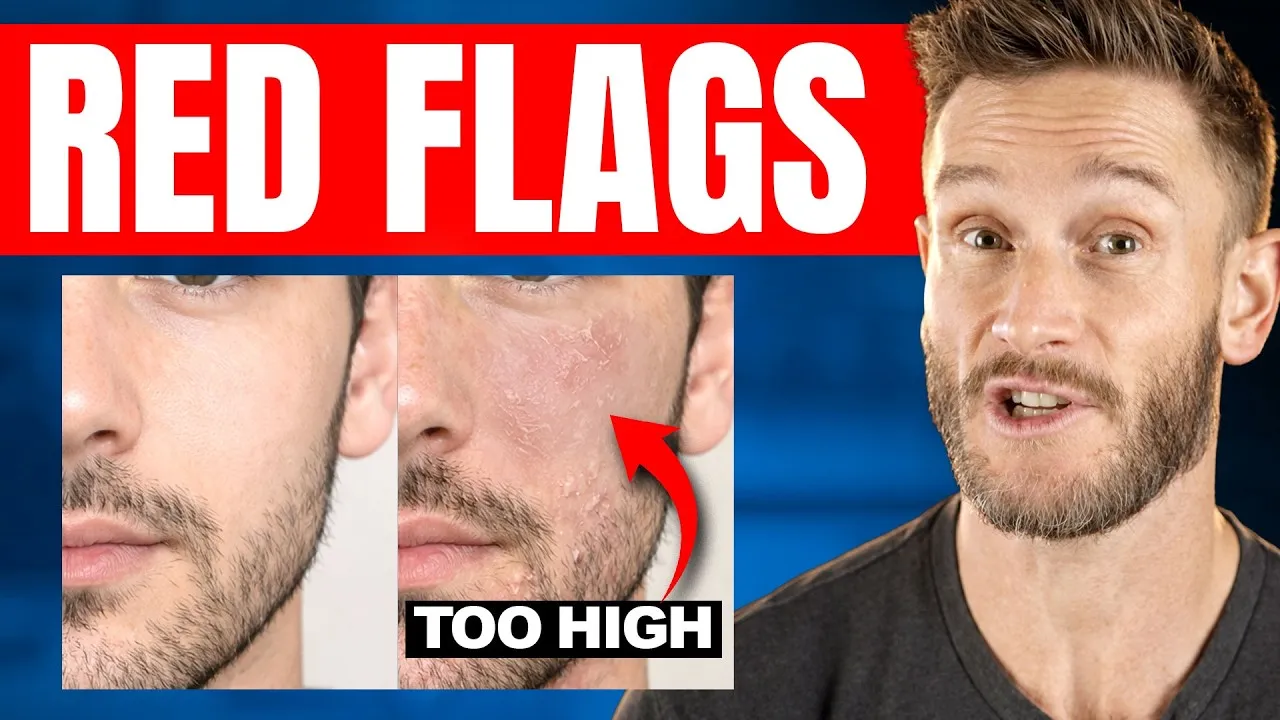
Skin Signals High Cortisol: Signs and Fasting Tips
Are you experiencing unexplained skin issues, hair shedding, or brittle nails? These could be signs that your body’s stress hormone, cortisol, is too high. While fasting can offer health benefits, doing too much or at the wrong times can disrupt your hormones and lead to these visible changes. Understanding these signals can help you adjust your fasting habits to protect your health.
What is Cortisol and Why Does it Matter?
Cortisol is a hormone produced by your adrenal glands, often called the “stress hormone.” It plays a crucial role in your body’s “fight or flight” response, helping you manage stress. However, when cortisol levels remain high for extended periods due to chronic stress, poor diet, or aggressive fasting, it can negatively impact your health. This can lead to a range of problems, including hormonal imbalances, weight gain, and sleep disturbances.
Red Flags Your Cortisol Might Be Too High
Pay attention to these signs, which can indicate that your cortisol levels are out of balance, especially if you’re practicing fasting:
- Skin Irritation and Breakouts: Look for increased redness, puffiness, or acne that seems to appear out of nowhere. High cortisol can alter your skin, making you more prone to blemishes. Even small, hard bumps under the skin that don’t come to a head can be a sign.
- Excessive Hair Shedding: While some hair loss is normal, significant thinning or shedding can be linked to high cortisol. Stress and extreme calorie restriction can damage hair follicles, leading to hair loss. The good news is this is often reversible by managing stress and adjusting your diet.
- Brittle Nails: Weak, easily broken nails can signal that your body isn’t getting enough essential nutrients or that your hormone levels, like insulin and thyroid hormones (T3), are too low to support proper repair.
- Waking Up Too Early and Wired: A classic sign is waking up around 4 a.m. feeling fully alert and unable to fall back asleep. This suggests your cortisol is peaking too early and then crashing, disrupting your natural sleep-wake cycle. You might also experience a late-evening energy boost, making it hard to wind down.
- Cold Hands: While often associated with low calorie intake or poor thyroid function, high cortisol can also contribute to poor circulation, leading to cold hands and feet.
- Salt Cravings: An intense craving for salt can indicate that your body is under stress and potentially deficient in certain nutrients. Salt is vital for nerve signaling, and the body may crave it when stressed or not getting enough minerals.
What Research Says About Fasting and Cortisol
A significant study published in Nutrients in 2021 analyzed 14 different studies on fasting and cortisol. Researchers looked at various fasting methods, including alternate-day fasting, intermittent fasting, and time-restricted eating. The key finding was that many fasting approaches can disrupt the natural daily rhythm of cortisol, often leading to elevated levels. However, the study noted that cortisol levels were generally more stable when people consumed the majority of their calories earlier in the day and fasted during the late afternoon and evening. This suggests that the timing and composition of your meals around your fasts are crucial for managing cortisol.
The research highlighted that when the hypothalamic-pituitary-adrenal (HPA) axis—the system that regulates cortisol—becomes imbalanced due to high cortisol, it can trigger other hormonal issues. These can include problems with thyroid hormones, insulin, and blood sugar regulation.
A Blueprint for Healthier Fasting
To avoid the negative effects of high cortisol from fasting, consider these strategies:
- Eat Enough When You’re Not Fasting: It’s a mistake to combine fasting with severe calorie restriction. Fasting itself is a stressor on the body. Ensure you’re consuming adequate calories and nutrients during your eating windows to support your hormones.
- Rethink Your Baseline Fast: Instead of making a 16-hour fast your daily norm, consider a 12-hour overnight fast as your baseline. This gentler approach supports your body’s natural rhythms. Longer fasts (18-20 hours) can be used less frequently, perhaps a couple of times a week, rather than every day.
- Take Breaks When Stressed or Sick: If you’re feeling highly stressed or unwell, it’s best to pause your fasting routine. Instead, focus on recovery, nourishing your body with regular meals, and reducing overall stress. Pushing through can exacerbate hormonal imbalances and have long-lasting effects.
- Strategically Add Carbs: Including a small amount of easily digestible carbohydrates (like honey or rice, about 20-30 grams) at the end of a long fast can help blunt cortisol spikes. Carbohydrates stimulate insulin, which can have a calming effect on the stress response. Avoid adding fat, as this can prolong the fast.
The “5:2” Reboot Strategy
For those who feel they’ve been fasting too aggressively or suspect high cortisol, a “5:2” approach can help reset your system. This involves:
- Eat Normally for 5 Days: During the weekdays, eat regular meals (breakfast, lunch, dinner). You can even slightly increase your calorie intake to signal safety and abundance to your body. Focus on nutritious foods.
- Weekend Fasting: On the weekend, incorporate a longer fast. This could be a 48-hour fast or, more practically for many, a “one meal a day” (OMAD) approach on Saturday and Sunday. Eat your single meal earlier in the day, ideally several hours before bedtime.
This strategy helps restore thyroid function and promotes a parasympathetic (rest and digest) state, signaling to your body that it’s safe to recover. By alternating periods of gentle eating with strategic fasting, you can better manage cortisol levels and support overall hormonal balance.
Important Disclaimer
This article is for informational purposes only and does not constitute medical advice. Always consult with a qualified healthcare provider before making any changes to your diet, fasting regimen, or health practices. They can provide personalized guidance based on your individual health needs and conditions.
Source: The Skin Sign Your Cortisol is Too High (Stress, Fasting, Diet) (YouTube)