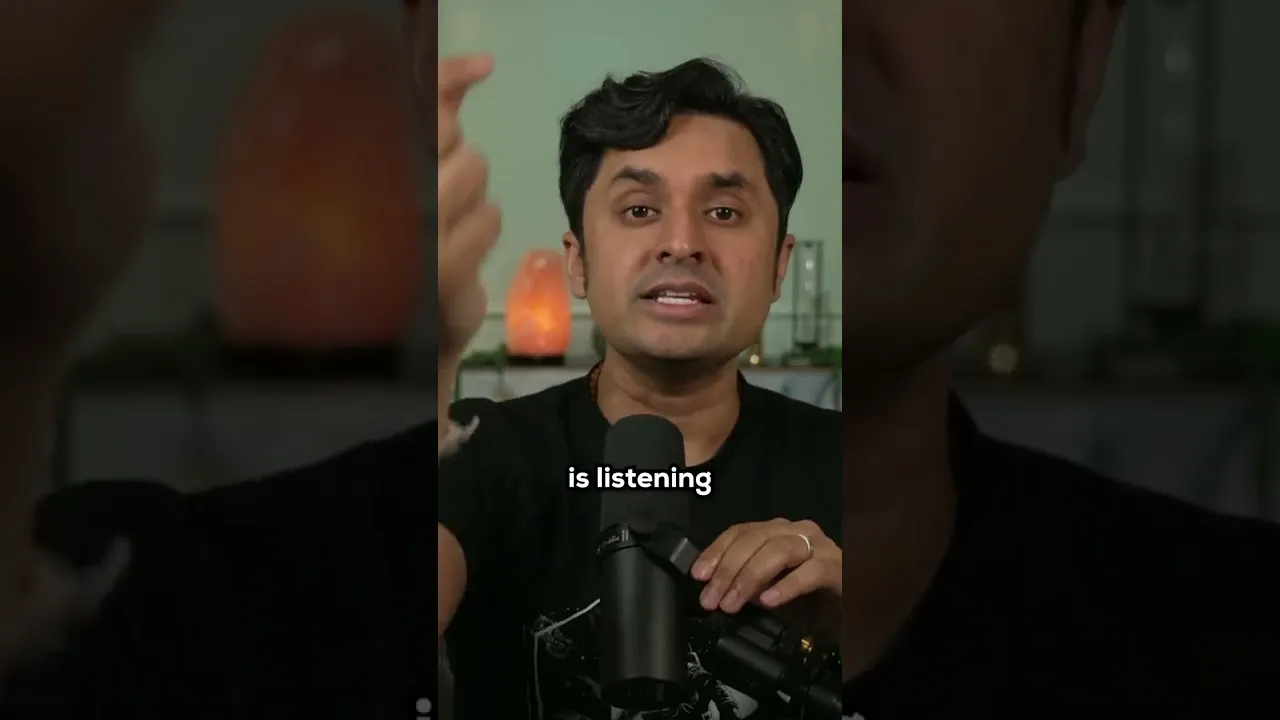
Smart Minds Can Stumble: The Paradox of High Intelligence
Having a high IQ often means you’re great at predicting what’s next. Think about a chess grandmaster who can see ten moves ahead. This powerful predictive ability, while impressive, can sometimes lead even the brightest minds to make surprising errors in everyday situations. When your brain is constantly calculating ahead, it can start to tune out the present moment, opening the door for mistakes.
The Pitfall of Predicting Too Much
Imagine listening to a lecture on quantum mechanics. If your mind quickly grasps the concepts and anticipates where the speaker is going, you might stop truly listening. You’ve already ‘read’ the next ten sentences. This mental shortcut, while efficient for complex topics, can cause you to miss crucial details in simpler tasks. It’s a confusing situation: are you making mistakes because you’re not smart enough, or because you’re too smart?
Why Overthinking Leads to Errors
This phenomenon highlights a curious paradox. When your brain is accustomed to processing complex information and predicting outcomes, it can become less attentive to straightforward information. For example, if you’re an expert coder, you might automatically assume the syntax for a simple function is correct without double-checking. Your brain, used to handling intricate logic, might overlook a basic typo. This happens because the brain seeks efficiency, and when it predicts the outcome of a simple task, it can disengage from the necessary step-by-step focus required for accuracy.
The Role of Attention and Automaticity
Our brains develop automatic processes for tasks we do often. This is usually a good thing, saving mental energy. However, when a highly intelligent person applies this automaticity to a situation that still requires conscious attention, errors can occur. The brain’s predictive power, honed for complex challenges, can inadvertently lead to a lapse in focus on the simple, present details. This isn’t about a lack of intelligence but rather how that intelligence is being applied, or misapplied, in certain contexts.
Understanding the ‘Stupid’ Mistakes
The core issue lies in the brain’s predictive capability. When this capability is highly developed, it can lead individuals to ‘fill in the blanks’ even when those blanks require careful attention. This is particularly true for tasks that are fundamentally simple but require sustained focus. For instance, a highly intelligent person might make a mistake filling out a form because they assume they know all the required fields and rush through them, missing a crucial instruction. The confusion arises because these errors seem inconsistent with their overall intellectual capacity.
Who is Affected by This Phenomenon?
This isn’t limited to individuals with exceptionally high IQs; it can affect anyone who develops strong predictive abilities or relies heavily on automaticity for tasks. People in complex professions, such as scientists, engineers, or even expert craftspeople, might be more prone to this type of error. It’s a challenge that arises when advanced cognitive skills are applied to situations that demand simple, deliberate attention.
Strategies to Avoid Overthinking Errors
To combat this, conscious effort is needed. The key is to intentionally slow down and engage fully with simple tasks, even when your brain wants to predict the outcome. Practicing mindfulness can help. Mindfulness encourages you to stay present and aware of what you are doing right now. For tasks requiring accuracy, consciously double-checking each step can be beneficial. Remind yourself that even simple tasks deserve your full attention to prevent errors.
Key Health Takeaways
- High intelligence can sometimes lead to errors by causing over-prediction and reduced attention to simple tasks.
- The brain’s predictive power, useful for complex problems, can cause it to disengage from the present moment, leading to mistakes.
- Simple tasks requiring sustained focus are often where these ‘intelligent’ errors occur.
- Practicing mindfulness and consciously slowing down can help prevent these types of mistakes.
- Double-checking each step, even in familiar or simple tasks, is a good strategy to maintain accuracy.
Disclaimer: This article is for informational purposes only and does not constitute medical advice. Always consult with a qualified healthcare provider for any health concerns or before making any decisions related to your health or treatment.
Source: You Can Be So Smart, You Can Become Stupid (YouTube)