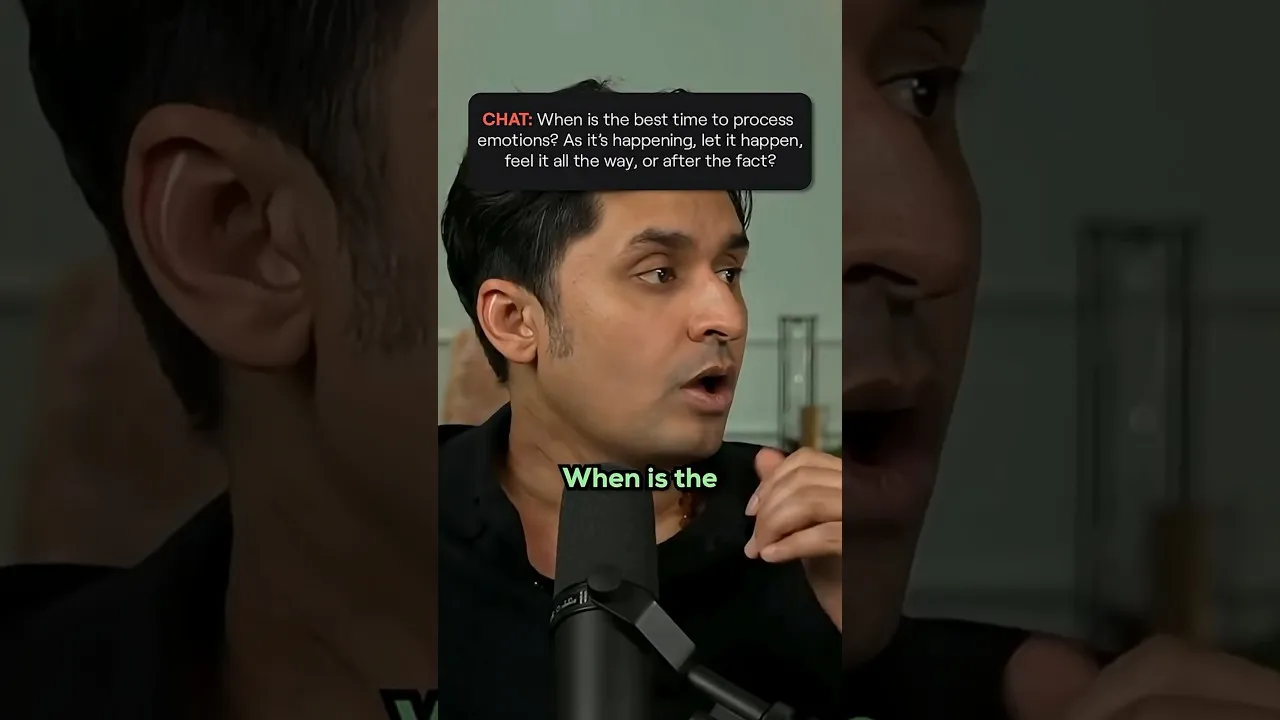
Process Emotions Now for Better Mental Health
When you experience strong feelings, like sadness after a breakup or frustration in a tough situation, the best time to deal with those emotions is right as they happen. Experts suggest that processing feelings in the present moment helps prevent them from building up and causing problems later. This approach helps you manage your mental well-being more effectively.
Think about how we handle significant life events. We don’t typically wait years to grieve after a loss; we hold funerals and mourn when the event occurs. This immediate approach to emotional processing is key. When faced with difficult experiences, allowing yourself to feel those emotions fully in the moment is crucial.
The Power of Present Emotional Processing
Experiencing a breakup, for example, can bring a wave of intense feelings. It’s natural to feel heartbroken, angry, or even regretful. You might think, “This relationship was a waste of time.” However, it’s also possible to acknowledge the good parts of the experience even as it ends. This balanced perspective helps you process the situation without letting negative emotions take over completely.
The goal is to manage your emotions as they arise, preventing them from becoming “stored” within you. When you process feelings while they are active and fresh, you avoid the need for extensive emotional work later on. This is because your brain is most adaptable, or has high neuroplasticity, when emotions are current.
Why Storing Emotions Can Be Harmful
When we don’t process emotions in the moment, they can linger. These unresolved feelings can affect our mood, behavior, and even physical health over time. Stored emotions might resurface later, often in unexpected ways or at inconvenient times. This can lead to prolonged periods of distress or difficulty coping with new challenges.
The concept of neuroplasticity is important here. Neuroplasticity refers to the brain’s ability to change and adapt. When emotions are fresh, the neural pathways associated with them are more active and open to change. This makes it easier for your brain to process and release those feelings. If you wait too long, these pathways can become more rigid, making emotional processing harder.
When Past Emotions Need Attention
While processing emotions in the present is ideal, sometimes we don’t. If you find yourself struggling with feelings from past events that you didn’t fully process at the time, it’s still possible to address them. This might involve seeking support from a therapist or counselor who can guide you through these unresolved emotions.
The key is recognizing that unresolved emotions from the past can significantly impact your present life. Addressing them, even if delayed, is a vital step toward healing and improving your mental health. It’s never too late to work through what you’re feeling.
Taking Action: Practical Tips
To help you process emotions in the moment, consider these strategies:
- Acknowledge Your Feelings: Simply name what you are feeling without judgment.
- Allow Yourself to Feel: Give yourself permission to experience the emotion fully.
- Express Yourself: Talk to a trusted friend, journal your thoughts, or engage in creative activities.
- Practice Mindfulness: Focus on the present moment and observe your emotions without getting carried away.
- Seek Support: Don’t hesitate to reach out to friends, family, or mental health professionals when needed.
A Word on Expert Advice
This approach aligns with principles discussed by mental health professionals who emphasize the importance of emotional regulation and present-moment awareness. While the transcript doesn’t cite specific studies or credentials, the advice is consistent with widely accepted psychological concepts regarding emotional processing.
Who Can Benefit?
This information is relevant for everyone, as all individuals experience emotions. It is particularly helpful for those who tend to suppress their feelings, struggle with anxiety or depression, or are going through significant life changes like breakups, job loss, or grief.
Disclaimer: This article is for informational purposes only and does not constitute medical advice. Always consult with a qualified healthcare provider or mental health professional for any questions you may have regarding a medical condition or mental health concerns. If you are experiencing a mental health crisis, please reach out to a crisis hotline or emergency services immediately.
Source: Learning When to Process Emotions (YouTube)