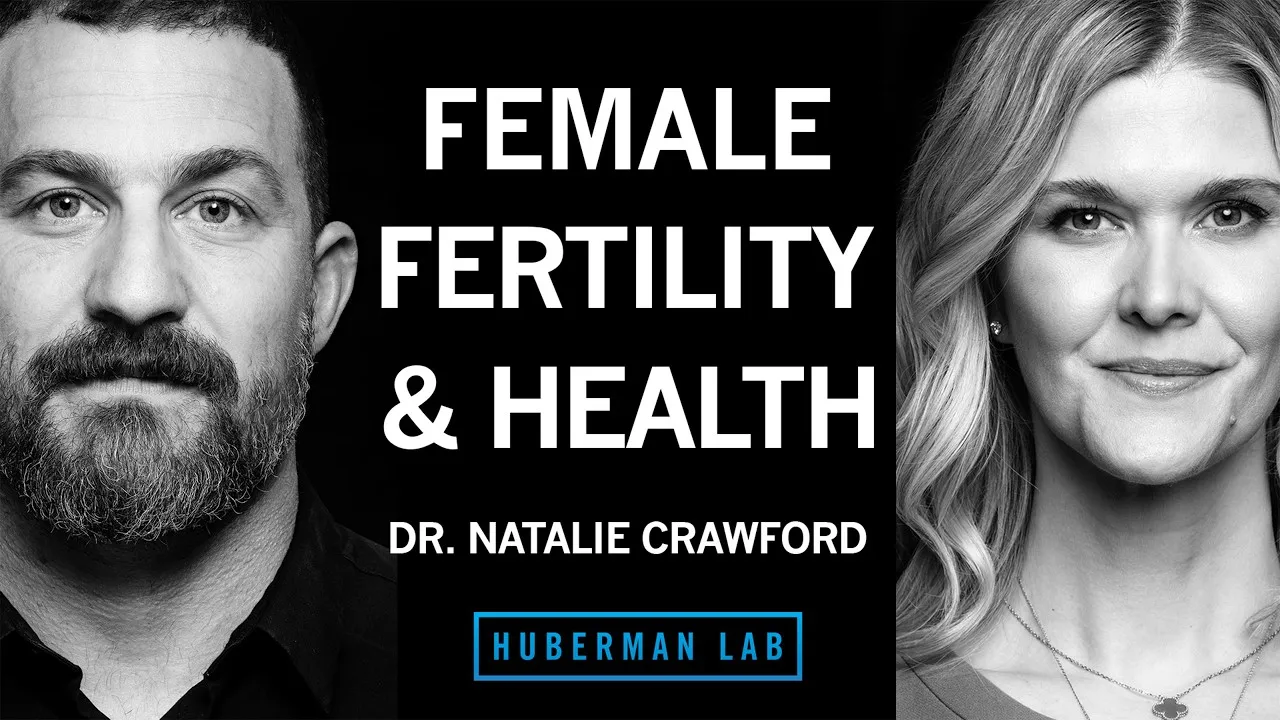
Understand Your Fertility as a Health Indicator
Many women think of fertility solely as the ability to get pregnant. However, reproductive endocrinologist Dr. Natalie Crawford emphasizes that fertility is a powerful indicator of overall hormonal, metabolic, and cellular health. It reflects how well various bodily systems are working together, not just for conception, but for your well-being throughout life.
Poor fertility can signal underlying issues like chronic inflammation or insulin resistance, which are linked to long-term health risks such as heart disease, stroke, and certain cancers. Taking proactive steps to understand and improve your reproductive health can therefore benefit your overall health and longevity.
AMH Testing: A Window into Ovarian Reserve
Dr. Crawford strongly recommends the Anti-Müllerian Hormone (AMH) test for all women who wish to have children in the future. While AMH doesn’t measure egg quality (which relates to genetics and cellular function), it provides a crucial snapshot of your ovarian reserve – the number of eggs you have.
Knowing your AMH levels can be empowering, helping you make informed decisions about family planning and reproductive timelines. This knowledge allows for more strategic planning regarding when to start a family or pursue fertility preservation options.
Fertility Through Different Life Stages
Your menstrual cycle, as long as it continues, offers valuable insights into your hormonal health. Even during perimenopause, the transition before menopause, cycles can become irregular due to hormonal shifts. However, pregnancy is still possible.
Dr. Crawford notes that understanding your ovulation patterns during this phase is key to monitoring your health. Menopause itself is defined as 12 consecutive months without a period, signifying the ovaries have stopped responding to the brain’s signals and are no longer producing estrogen or progesterone. The age at which menopause occurs can significantly impact long-term health, and past menstrual cycle patterns can offer clues about current cellular health.
Hormone Therapy: A Shift in Approach
There’s a growing recognition that hormone replacement therapy (HRT) can offer significant benefits for women’s health, extending beyond just symptom relief during menopause. Historically, there was a reluctance to prescribe HRT, especially before a strict definition of menopause was met.
However, current thinking suggests that HRT can be beneficial when started earlier, even in perimenopause or after menopause, to support metabolic health, reduce the risk of osteoporosis, and potentially lower the risk of cardiovascular disease and Alzheimer’s disease. Dr. Crawford advocates for a more personalized approach, allowing women to optimize their hormone levels within a healthy range to improve quality of life and long-term health outcomes, rather than adhering to rigid cut-offs.
Estrogen, Progesterone, and Testosterone
When considering hormone therapy, estrogen is often the primary focus because its decline significantly impacts how women feel. Progesterone also plays a critical role, especially if ovulation is inconsistent. Testosterone can also be a factor, though it’s typically considered after estrogen and progesterone are addressed.
The goal is to restore hormone levels to a point that alleviates symptoms and supports overall health. Different delivery methods, such as patches, pills, or vaginal applications, are available, allowing for tailored treatment plans.
Reducing Inflammation for Ovarian Health
Factors that contribute to chronic inflammation can negatively impact ovarian function and potentially lead to earlier menopause or ovarian failure. Conditions like autoimmune diseases (e.g., Hashimoto’s thyroiditis) and endometriosis are associated with higher levels of inflammation.
Dr. Crawford suggests that lifestyle choices aimed at reducing inflammation—such as adopting an anti-inflammatory diet, managing stress, and engaging in appropriate exercise—may help preserve ovarian function and extend ovarian lifespan. Paying attention to these factors earlier in life can have a significant positive impact on reproductive and overall health.
The Impact of Environmental Toxins
Exposure to environmental toxins, including microplastics found in everyday items, is a growing concern for fertility and hormone health. Microplastics can accumulate in the ovaries, potentially disrupting their function. Endocrine-disrupting chemicals present in plastics have been linked in population studies to poorer IVF outcomes, lower pregnancy rates, and longer times to conceive.
While complete avoidance of toxins is impossible, making conscious choices, such as using reusable water bottles and considering the sources of potential exposure, can help reduce your overall toxic burden. These choices, alongside diet, exercise, and stress management, contribute to your body’s inflammatory load and can influence fertility.
Prior Pregnancy and Future Fertility
Having been pregnant before can statistically increase your chances of conceiving again, even when trying later in life. Research indicates that women who have previously conceived with a partner tend to maintain a higher monthly chance of pregnancy up to a certain age compared to those trying for their first child. However, it’s crucial to acknowledge that secondary infertility—difficulty conceiving a subsequent child—is real and can be emotionally challenging.
Age remains a significant factor, and the probability of conception decreases with time. Early intervention and investigation are recommended, especially for women over 35 or those experiencing difficulties, rather than waiting a full year of trying.
Key Health Takeaways
- Consider an AMH test to understand your ovarian reserve and inform family planning.
- View fertility as a key indicator of overall hormonal and metabolic health.
- Explore hormone replacement therapy options with your doctor to manage symptoms and support long-term health, especially during perimenopause and post-menopause.
- Reduce chronic inflammation through diet, exercise, and stress management to support ovarian health.
- Be mindful of environmental toxins, like microplastics, and take steps to minimize exposure.
- Understand that while prior pregnancy can be protective, age and other factors still influence future fertility.
This article is for informational purposes only and does not constitute medical advice. Always consult with a qualified healthcare provider for any health concerns or before making any decisions related to your health or treatment.
Source: How Women Can Improve Their Fertility & Hormone Health | Dr. Natalie Crawford (YouTube)