Young Farmer Faces $178K Debt After Fertilizer Business Falters
A 22-year-old entrepreneur is staring down a potential $178,000 debt after his custom dry fertilizer spreading business hit a severe financial roadblock. The business, launched just last year, has struggled to gain traction, leading to the potential repossession of crucial equipment.
The young farmer, Leland, invested heavily in a specialized applicator designed to spread dry fertilizer on fields. He financed this expensive piece of farm equipment with a significant loan, reportedly owing $178,000 with an annual payment of $40,000. Leland expressed confusion as to why a financial institution would lend such a large sum to someone so young, despite his lifelong experience in the agriculture sector.
The Business Plan and Its Downfall
Leland’s initial plan was ambitious: to cover 10,000 acres per year with his fertilizer spreading services. He believed this target was easily achievable. However, the reality of the market proved far more challenging than anticipated.
“I put my name out within a 100-mile radius and the farm economy the way it is, fertilizer prices is high and there’s not a lot of people doing dry,” Leland explained. High fertilizer costs and a shift in farming practices towards different methods meant less demand for his specific service. This downturn has left him unable to meet his financial obligations.
He attempted to sell the equipment through an auction company to recoup some of his investment. Unfortunately, the auction house required a $100,000 upfront payment before they would even list the equipment, a sum Leland did not have.
Lender’s Role and Future Outlook
The lending decision has come under scrutiny. “I’m confused why they would loan a 22-year-old $178,000 on a piece of farm equipment,” one observer noted. The loan was secured with a $12,000 down payment, but questions remain about the underwriting process given Leland’s age and the inherent risks of a startup business.
Experts suggest that the equipment will likely be repossessed. Following the repossession, the lender will sell the applicator, likely at an auction. If the sale price is less than the outstanding loan amount, Leland will be responsible for the difference, known as the deficit.
For example, if the $178,000 applicator sells for $100,000, Leland could owe the remaining $78,000. This deficit typically becomes payable after the sale, and creditors may take time, often up to a year, before pursuing the debt.
Navigating the Deficit
The path forward for Leland involves preparing for this potential deficit. While bankruptcy, such as Chapter 13 or Chapter 11, is an option, it may not be advisable if the business model is deemed unviable. Instead, a strategy of aggressive saving is recommended.
“You have a year to prepare for this battle,” an analyst advised. By working diligently and keeping living expenses low, Leland could aim to save a significant portion of the deficit amount. The suggestion is to offer a lump sum settlement, perhaps 20 to 25 cents on the dollar, which is a common practice for settling debts from repossessed vehicles.
Creditors are often willing to accept a lower settlement amount because pursuing a debt from an individual with limited assets can yield nothing. The likelihood of collecting the full deficit from a young person with no current assets is often very low. Therefore, a reasonable cash offer can be an attractive alternative for the lender.
Lessons Learned and Future Prospects
This experience serves as a stark lesson in the risks of borrowing heavily to start a business. “We don’t borrow money to start businesses because things never turn out exactly the way they’re supposed to in business,” the analyst stated. The key takeaway is to learn from this mistake and avoid similar debt-fueled ventures in the future.
Leland plans to continue in the agriculture sector by working for other farmers, earning an hourly wage that can vary. He aims to build his financial standing over the next decade, with the goal of becoming a millionaire without resorting to excessive debt.
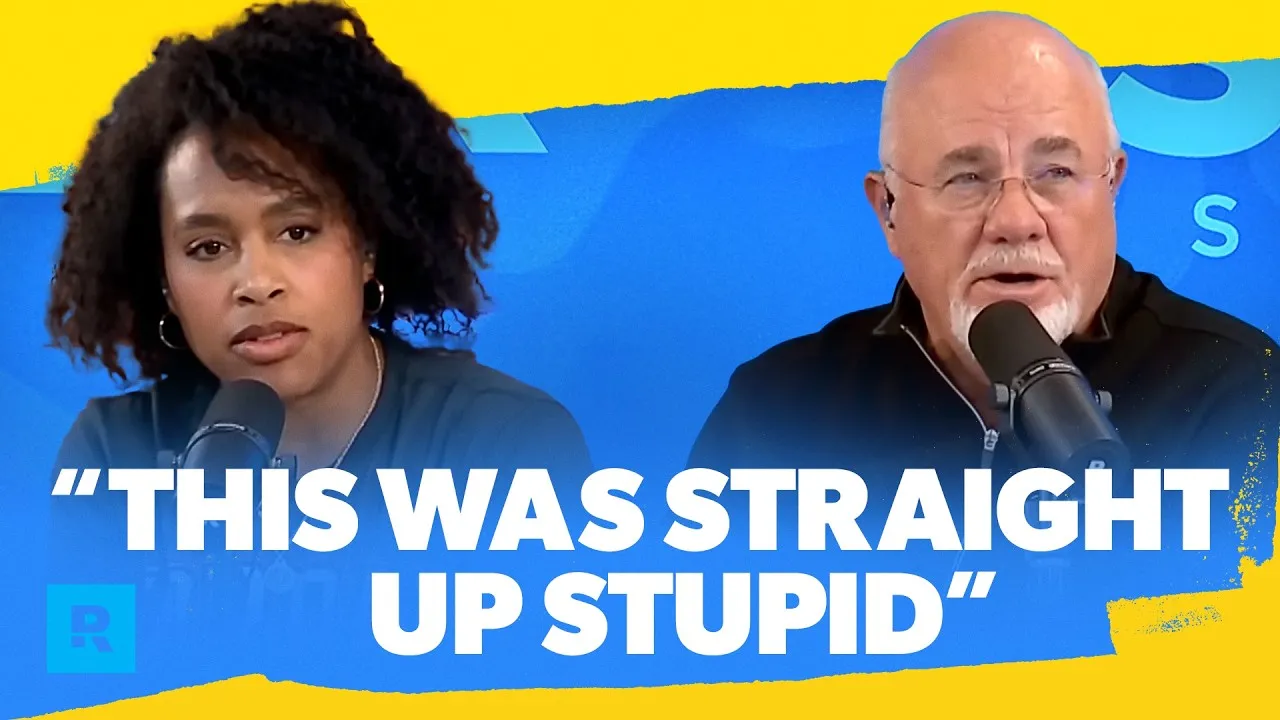
“You can look at this in the rearview mirror as that dumb thing I did when I was 22,” the analyst concluded, drawing a parallel to their own significant financial mistakes made at age 28. The advice is to build a solid financial future through hard work and careful planning, rather than high-risk borrowing.
This content is brought to you by the Every Dollar app. Start budgeting for free today.
Source: I Borrowed $178,000 to Spread Fertilizer (YouTube)