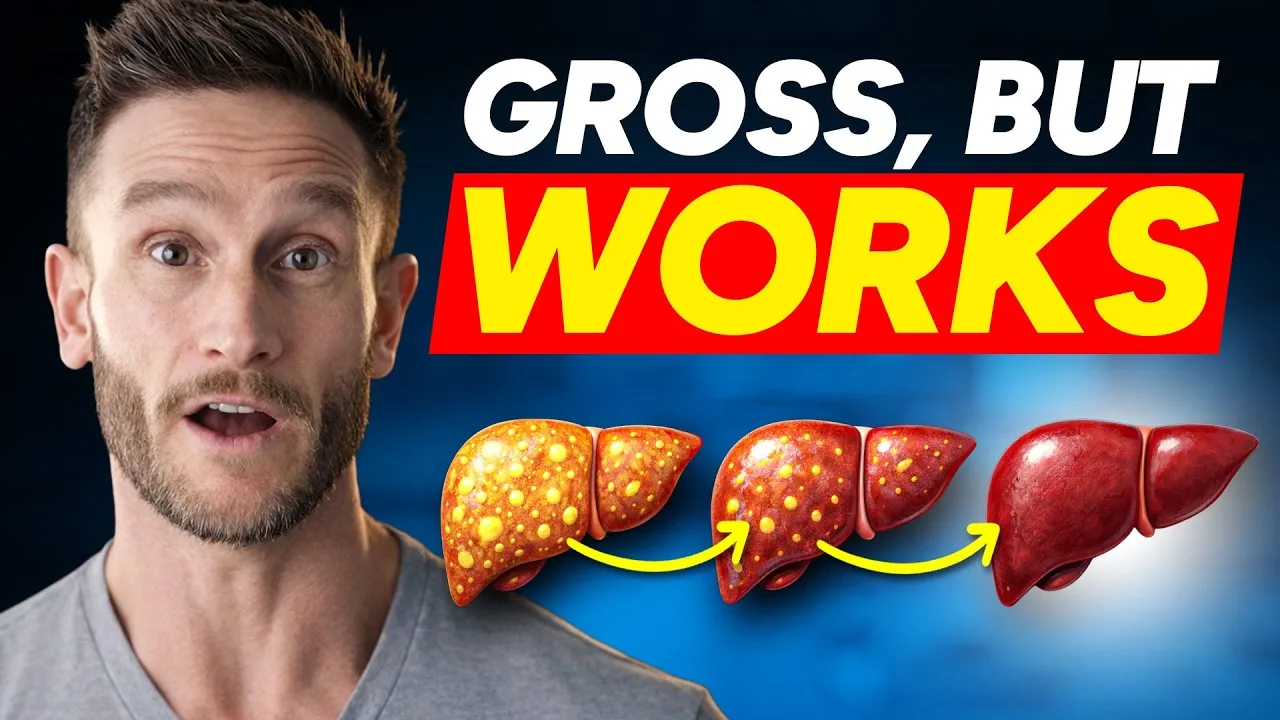
Reverse Fatty Liver: Your 4-Stage Plan
Many people discover they have a fatty liver by chance. They might feel tired or notice a slight belly bulge. Sometimes, the first sign is struggling to process carbohydrates or gaining weight more easily, especially around the waist. This isn’t always obvious until it starts impacting how your body functions. Fatty liver is a serious condition, but the good news is that it is reversible. Understanding the process can help you take control.
It’s important to know that fatty liver is rarely an isolated issue. It’s also not caused by just one bad habit, nor can it be fixed with a single quick trick. Instead, reversing it follows a more structured and predictable path than many realize. This article outlines a four-phase approach to tackling fatty liver and reducing visceral fat, drawing on scientific research and expert insights.
Phase 1: Stop the Drivers of Fatty Liver
The first step is to address what’s causing fat to build up in the liver. This often starts with insulin resistance and inflammation. A review in Diabetes Spectrum highlights that insulin resistance is key in developing non-alcoholic fatty liver disease. It can also cause the condition to worsen, progressing from simple fat buildup to inflammation, scarring (fibrosis), and potentially cirrhosis or even liver cancer.
When your body’s cells don’t respond well to insulin, sugar (glucose) stays in your blood longer. This extra sugar often gets converted into fat in the liver. At the same time, insulin resistance makes it harder for your body to release stored fat. So, fat is coming into the liver faster than it can leave. This is why Phase 1 focuses on reducing the pressure on your liver.
The most effective way to do this is to lower your intake of processed sugars and refined carbohydrates. Reducing sugar intake leads to smaller blood sugar spikes. This, in turn, lowers the demand for insulin and reduces inflammation. Less inflammation means insulin can do its job more effectively. This simple step helps stop fat from being pushed into the liver.
Adding omega-3 fatty acids can also help. A meta-analysis in Gastroenterology Research looked at studies involving people with fatty liver. It found that omega-3 supplements significantly reduced liver fat and improved markers of liver stress and inflammation. Omega-3s help your body burn fat more efficiently and reduce inflammation, essentially helping to pump the brakes on fat buildup and burn existing fat.
Hydration is also crucial. Your liver helps process waste and remove fat. Without enough water, this process is hindered, which can worsen insulin sensitivity. While drinking water alone won’t fix fatty liver, it supports all the liver’s functions, making other efforts more effective.
Phase 2: Activate Liver Fat Loss
Once insulin resistance and inflammation begin to decrease, your body becomes more responsive to efforts to reduce liver fat. This is where movement and specific nutrients play a key role.
Protein is vital. It helps you feel full, supports muscle mass, and boosts your metabolism, which aids in long-term fat management. Fiber is also very important. Research using data from NHANES found a strong link between higher fiber intake and less fatty liver. Fiber slows down the absorption of carbohydrates, stabilizing insulin levels and reducing fat accumulation in the liver. It also helps bind to fats and cholesterol for removal from the body.
Fasting and meal timing can also be powerful. A study in Cell Metabolism found that combining alternate-day fasting with exercise reduced liver fat significantly more than either method alone. While the specific fasting schedule isn’t as critical as the overall window of time without eating, longer periods without food can improve insulin sensitivity and reduce inflammation. Fasting can also increase growth hormone, which further helps break down fat.
Exercise is essential. A statement in Sports Medicine showed that even 135 minutes of moderate aerobic exercise per week can reduce liver fat. Higher amounts, around 150-240 minutes, led to greater reductions. Consistency is key; even a 20-minute brisk walk daily can make a difference. Combining aerobic and resistance training is particularly effective. A large analysis in Scientific Reports involving over 2,000 people found that this combination led to the greatest improvements in liver enzymes, triglycerides, and LDL cholesterol.
Incorporating exercise in a fasted state, especially in the morning, can help your body tap into stored fat, including visceral fat around your organs. This approach, sometimes combined with other stressors like sauna use, can enhance fat burning.
Phase 3: Layer in Food Strategies
With the basics in place, you can add specific food strategies to further improve liver health. While reducing processed foods is fundamental, certain foods can be particularly beneficial.
There’s an interesting discussion about monounsaturated fats (found in olive oil) versus fiber. While both are helpful, some studies suggest monounsaturated fats may have a more direct impact on reducing liver fat. However, one study found that diets rich in monounsaturated fats were also lower in carbohydrates, suggesting that reducing carbs might be the primary driver of fat loss. Another study compared olive oil alone to a multi-ingredient diet including fiber, olive oil, omega-3s, and polyphenols. The multi-ingredient diet showed a much larger reduction in liver fat, indicating that combining beneficial elements is most effective.
Garlic is considered a ‘superfood’ for the liver. An 800mg daily dose of garlic for 15 weeks led to significant improvements in fatty liver on ultrasound for over half of participants in one study, even when weight changes were accounted for. Garlic contains compounds that reduce inflammation and boost antioxidant pathways, helping the liver repair itself.
Coffee is also linked to better liver health. Meta-analyses show that coffee drinkers have a lower risk of developing fatty liver and a reduced risk of it progressing to fibrosis (scarring). Caffeine may help prevent liver scarring by inhibiting certain signals.
Cranberries may help by activating pathways that increase fat burning and reduce fat accumulation in the liver. A study found that cranberry capsules led to greater reductions in fatty liver and lower insulin resistance levels.
Other beneficial foods include extra virgin olive oil, which can help preserve liver structure and reduce stress. Whey protein has shown promise in reducing liver triglycerides, lowering liver enzymes, and improving insulin resistance in studies. Beetroot juice has also been shown to lower stress and inflammation in the liver, protecting against cellular damage.
Phase 4: Prevent Reoccurrence
The final phase is about maintaining your progress and preventing fatty liver from returning. This often happens when the underlying issues like insulin resistance and inflammation creep back in.
Sleep quality is a strong predictor of whether fatty liver returns. A large study found that poor sleep was linked to a higher risk of metabolic disorders, including fatty liver. Even moderate improvements in sleep quality were associated with a significant reduction in risk. Poor sleep increases inflammation and worsens insulin resistance, as deep and REM sleep regulate insulin sensitivity. Chronic lack of sleep can shift the liver environment back towards fat storage.
Stress management is also critical. High perceived stress is linked to a greater risk of developing fatty liver. Chronic stress elevates cortisol, a hormone that promotes fat storage, increases blood glucose, and reduces insulin sensitivity. It can also lead to emotional eating, undoing progress made through diet and exercise.
Practices like grounding (connecting your feet to the earth), taking 3 grams of glycine, or using sauna and contrast showers can help manage stress and lower cortisol. These practices build resilience to everyday stressors.
Circadian rhythm, or your body’s natural sleep-wake cycle, is also important. Misalignment, such as from shift work or irregular sleep schedules, can contribute to fatty liver. Maintaining consistent sleep and wake times, eating within a regular window, and getting morning light exposure helps keep insulin sensitivity, fat metabolism, and liver function aligned. These are not just optimization tricks but fundamental cues for metabolic health.
Specific Workout Strategy for Visceral Fat
Based on insights from Dr. Rhonda Patrick, a highly effective strategy for reducing visceral fat, which is closely linked to fatty liver, involves high-intensity interval training (HIIT). This approach focuses on short, intense bursts of activity followed by brief recovery periods.
The recommended routine involves 3-4 days per week of HIIT, such as 30 seconds of high intensity (e.g., on a rower or bike) followed by 30-60 seconds of rest, repeated for 5-7 rounds. This is complemented by 2-3 days per week of 30 minutes of Zone 2 cardio (moderate intensity). This combination trains your body to become efficient at burning fat, which continues even after your workout (known as post-exercise oxygen consumption or EPOC).
This approach can be more effective for reducing visceral fat than traditional continuous cardio or resistance training alone. By improving your body’s ability to burn fat, you signal visceral fat, including fatty liver, to shrink and continue burning fat even at rest. Monitoring waist circumference is a good way to track visceral fat levels.
Disclaimer: This article is for informational purposes only and does not constitute medical advice. Always consult with a qualified healthcare provider before making any decisions about your health or treatment.
Source: The 4 Stages that Shrink a Fatty Liver — and Visceral Fat (YouTube)