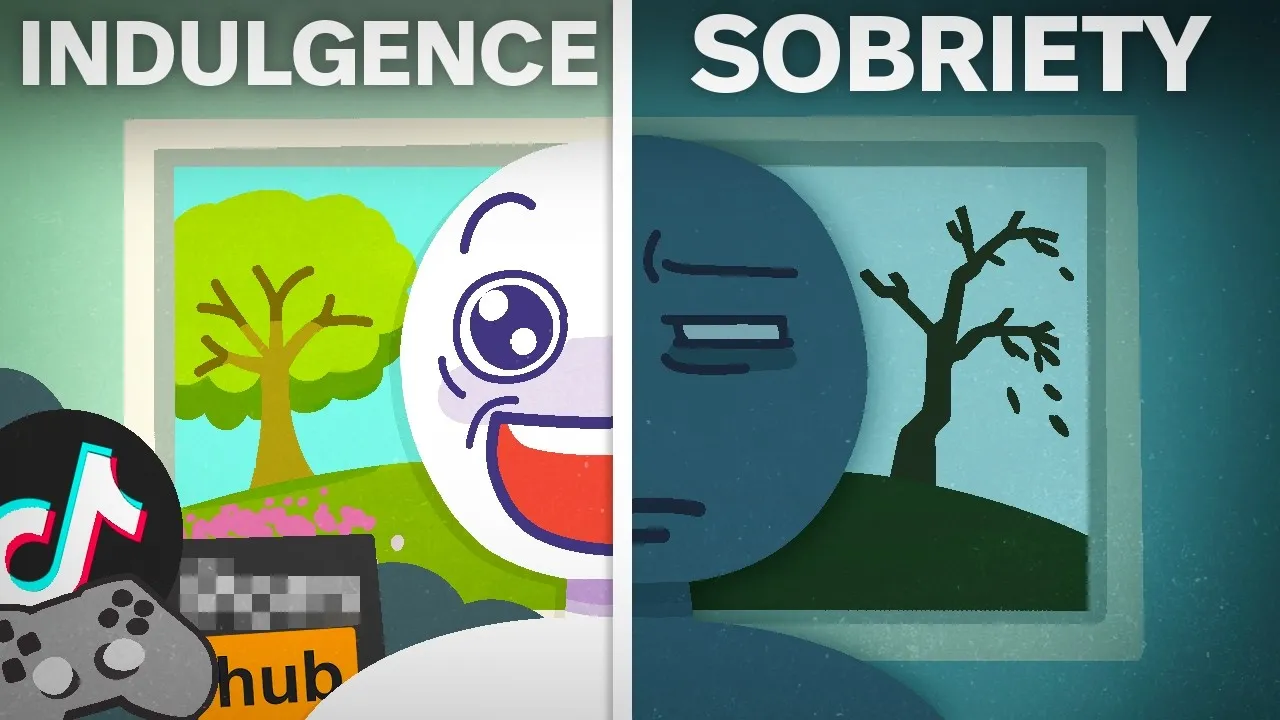
Feeling Empty After Quitting Vices? It’s Common, But Fixable.
Many people who successfully quit addictive behaviors, whether it’s substances, gambling, or excessive screen time, often find themselves facing a new challenge: a lingering sense of emptiness and a lack of joy. This feeling, sometimes described as post-sobriety depression, can be confusing and disheartening. Experts suggest this isn’t just about stopping the harmful behavior; it’s about understanding and redirecting the emotional energy we once invested in those vices.
The Paradox of Sobriety
For those struggling with addiction, the path to recovery often starts with the simple, yet monumental, decision to stop using. This can lead to immediate improvements, such as regaining stable housing, improving relationships, and avoiding legal trouble. However, for some, achieving sobriety doesn’t automatically bring back happiness or a sense of fulfillment. The intense highs associated with addictive behaviors can leave a void that simple abstinence doesn’t fill.
This phenomenon is not limited to those recovering from severe addiction. It can also affect individuals who have experienced significant life changes, like the end of a fulfilling career or a meaningful relationship. The core issue, according to psychologists and addiction psychiatrists, lies in how we invest our emotional and psychological energy, often referred to as ‘libidinal energy’ by thinkers like Sigmund Freud.
Understanding Libidinal Energy and Attachment
Freud’s concept of libidinal energy refers to the drive or energy associated with enjoyment, emotional investment, and desire. When someone is addicted to a substance or behavior, their libidinal energy becomes heavily invested in that specific object or activity. This investment can be so profound that it overshadows other areas of life, such as work, family, or other hobbies.
The problem arises when the addictive object or behavior is removed. The energy that was so intensely focused remains, creating a sense of loss and emptiness. This is similar to the process of mourning, where we grieve the loss of a loved one. Even though the person or substance is gone, our emotional energy is still attached, making it difficult to move on.
Dr. K, an addiction psychiatrist, explains this using the analogy of a relationship. You can’t truly move on and form a new, healthy relationship until you’ve fully let go of the previous one. Similarly, after quitting a vice, if that emotional energy remains fixated on the lost behavior, it prevents new sources of joy from taking root.
The ‘Death by a Thousand Cuts’ of Letting Go
Recovering this invested energy, a process Freud termed ‘decathexis,’ is not a single event but a gradual process. It involves consciously withdrawing emotional investment from the lost object or behavior. This means acknowledging and processing each individual memory, expectation, and associated experience that was tied to the vice.
For example, someone quitting alcohol might realize they are not just giving up the drink itself, but also associated activities like social happy hours, celebratory toasts, vacations centered around drinking, or even the simple pleasure of a glass of wine with a meal. Each of these associations represents a point of libidinal attachment that needs to be addressed and detached.
This gradual withdrawal is often painful and can feel like a series of small losses, hence the phrase ‘death by a thousand cuts.’ It requires time, effort, and emotional energy to re-evaluate and re-direct these investments. During this phase, life can feel gray and devoid of pleasure, as the energy has nowhere to go.
Moving Beyond the Void: Rebuilding Joy
The crucial insight is that the intense joy derived from many addictive behaviors doesn’t solely come from the substance or activity itself, but from our deep emotional investment in it. When that investment is withdrawn and the energy is allowed to settle within, it creates a space for new attachments and new sources of joy.
This period of emptiness is often a necessary transition. It’s a sign that the old attachments are loosening. While it can feel like the grayness will last forever, this is rarely the case. As the libidinal energy is freed, it naturally seeks new outlets. By consciously choosing to invest this energy in new experiences, relationships, or goals, individuals can begin to rebuild a fulfilling life.
The key is to avoid constantly comparing new experiences to the intensity of the past vice. Instead, focus on creating new, distinct sources of happiness. This might involve exploring new hobbies, strengthening existing relationships, or pursuing personal growth opportunities. By making space for these new connections, life can gradually regain its color and vibrancy.
Key Health Takeaways
- Sobriety is a Starting Point, Not the End Goal: Quitting addictive behaviors is essential, but it’s the first step. True recovery involves finding new sources of joy and fulfillment.
- Understand Emotional Investment: Addictive behaviors thrive on intense emotional energy (libidinal energy). Recognizing where you’ve invested this energy is key to moving on.
- Letting Go Takes Time: Detaching from old habits and the associated experiences is a gradual process, often described as ‘death by a thousand cuts.’ Be patient with yourself.
- Embrace the ‘Gray Period’: The emptiness felt after quitting is a temporary but necessary phase. It’s a sign that old attachments are breaking down.
- Create Space for New Joys: Once emotional energy is withdrawn from old vices, consciously redirect it towards new activities, relationships, and personal growth.
- Avoid Comparisons: Resist the urge to compare new experiences to the intensity of past addictive behaviors. Focus on building new, distinct sources of happiness.
Disclaimer
This article is for informational purposes only and does not constitute medical advice. If you are struggling with addiction or experiencing persistent feelings of emptiness, please consult with a qualified healthcare professional or mental health provider. They can offer personalized guidance and support tailored to your specific needs.
Source: Why Quitting Your Vices Makes You Feel Empty (YouTube)