Move More to Ease Muscle Soreness and Get Stronger
Feeling sore after a workout is common, but it doesn’t mean you should stop moving. In fact, gentle exercise can actually help ease that soreness and speed up your recovery. This is good news for anyone looking to get stronger and fitter without being sidelined by discomfort.
Muscle soreness, often called delayed onset muscle soreness (DOMS), is a normal reaction to pushing your body. It happens when tiny tears form in your muscle fibers during exercise. These small breakdowns are actually a sign that your muscles are adapting and getting stronger. So, while it might feel uncomfortable, soreness is usually not a sign of injury.
How Movement Helps Sore Muscles
The key to dealing with muscle soreness is not rest, but rather gentle movement. This type of activity increases blood flow to the sore muscles. Think of blood as a delivery service for your body; it brings oxygen and important nutrients that help repair the muscle tissue. At the same time, this increased blood flow helps to clear away waste products that can build up and make your muscles feel stiff and slow.
This doesn’t mean you should ignore pain or do another intense workout. The goal is light activity that gets your body moving without causing further strain. Examples include a leisurely walk, some gentle stretching or mobility exercises, or even a very light strength training session. The aim is simply to encourage circulation and promote healing.
Active Recovery: The Smart Approach
Many people think that intense workouts are the only way to see results. However, incorporating active recovery into your fitness routine can be highly beneficial. Active recovery involves performing low-intensity exercises on days when you might typically rest or when you are feeling sore.
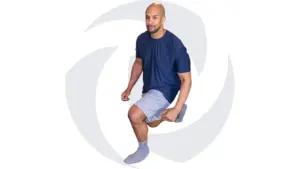
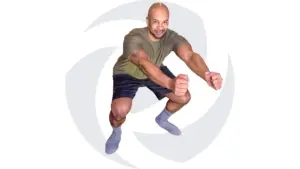
For instance, a short, lower-body routine focused on active recovery can make a significant difference. This type of workout is designed to be done even when you’re not feeling 100 percent. It encourages blood flow and muscle repair without adding stress to your already tired muscles. The idea is to keep your body moving and adaptable, rather than letting it become stiff and recover slowly.
As you engage in these gentle movements, you might find that the initial soreness starts to fade. Many people report feeling better by the end of an active recovery session than they did when they started. This approach helps bridge the gap between hard workouts, allowing your body to recover more efficiently and prepare for the next challenge.
Who Can Benefit?
This advice is relevant for a wide range of individuals, from beginners to seasoned athletes. Anyone who engages in physical activity that leads to muscle soreness can benefit from understanding active recovery. This includes people participating in strength training, running, cycling, or any other form of exercise that taxes their muscles.
It’s particularly helpful for those who find that muscle soreness often prevents them from sticking to a consistent workout schedule. By using active recovery, you can maintain momentum and continue to build fitness even when your body feels a bit achy.
Key Health Takeaways
- Muscle soreness is a normal sign of muscle adaptation and strengthening, not usually an injury.
- Gentle movement, like walking or light stretching, increases blood flow to sore muscles.
- This increased blood flow helps deliver nutrients for repair and clears waste products causing stiffness.
- Active recovery involves low-intensity exercise to aid muscle repair without causing more strain.
- Don’t push through sharp pain; focus on light movement to ease soreness and promote healing.
A Note on Pain vs. Soreness
It’s important to distinguish between muscle soreness and actual pain. Soreness is typically a dull ache felt throughout a muscle, often appearing 12-72 hours after exercise. Pain, on the other hand, can be sharp, localized, and may indicate an injury that requires rest and medical attention.
Always listen to your body. If you experience sharp, sudden, or persistent pain, stop the activity and consult a healthcare professional. This information is for general knowledge and should not replace professional medical advice.
Disclaimer: This article is for informational purposes only and does not constitute medical advice. Always consult with your doctor or a qualified healthcare provider before making any decisions, or changes to your health care, or treatment, and before undertaking a new health care regimen.
Source: Why You Should Move Even When You’re Sore (YouTube)