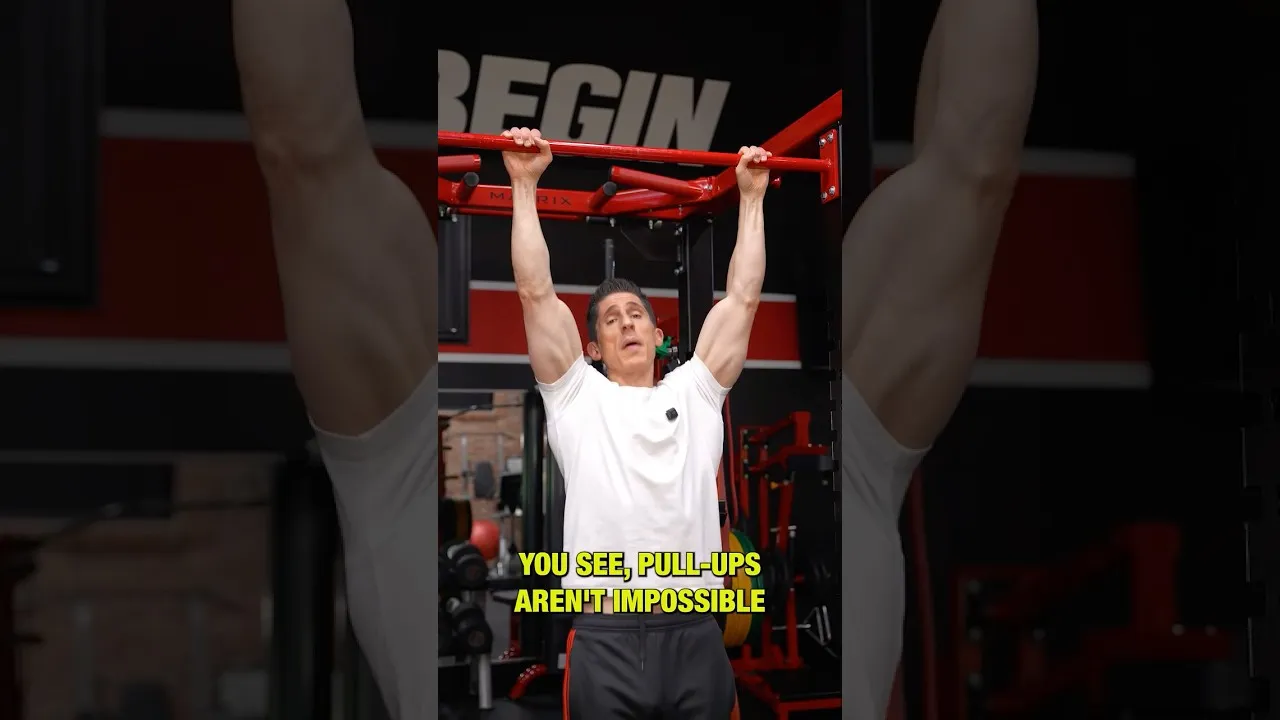
Unlock Your Pull-Up Potential: It’s Easier Than You Think
Pull-ups are a fantastic exercise that show your true strength. Many people find them incredibly difficult, but the truth is, they aren’t impossible. The challenge often comes down to how your body is built and how you’ve trained it. Understanding the reasons behind your struggle can help you make pull-ups much easier.
Why Pull-Ups Feel So Hard
Pull-ups reveal weaknesses in your body’s ability to generate pulling force. If your upper back muscles are weak, often from prolonged slouching, they can become overstretched and underused. These muscles can’t produce the power needed for a successful pull-up. Similarly, if your workouts focus heavily on chest, shoulders, and the muscles you can see in the mirror, while neglecting exercises like rows or direct shoulder blade work, you might have strength, but not the right kind for pull-ups.
The Role of Arm Muscles
When people think about training arms, they often focus only on biceps and triceps. However, two other muscles, the brachialis and brachioradialis, play a crucial role in making pull-ups easier. These muscles help create the pulling motion, and strengthening them can significantly improve your performance on the bar.
Strength-to-Weight Ratio Matters
Pull-ups are very honest about your strength-to-weight ratio. Every extra pound that doesn’t contribute to your pulling power makes each repetition much harder. This means that carrying extra weight can make pull-ups exponentially more difficult. On the flip side, being very light but lacking muscle can also present a challenge, though from the opposite end of the spectrum. While factors like age or sex can influence how many pull-ups you can do, the fundamental demands the exercise places on your body remain the same.
How to Make Pull-Ups Easier
To improve your pull-ups, focus on building a stronger, more balanced upper body. This involves strengthening your back muscles, including those that support your shoulder blades. Incorporating exercises that directly target these areas can make a big difference. Also, don’t neglect the smaller arm muscles that assist in pulling movements.
Building a Stronger Back
Exercises like rows (barbell rows, dumbbell rows, seated cable rows) are excellent for building the muscles of the upper back. These exercises work the muscles that pull your shoulder blades together and down, which is essential for a strong pull-up. Strengthening your lats (latissimus dorsi), rhomboids, and traps will provide a solid foundation.
Targeting Shoulder Blade Stability
Directly training your shoulder blade muscles, also known as scapular muscles, is key. Exercises that focus on retracting and depressing the scapula can improve control and strength. This helps create a stable base from which to pull yourself up.
Don’t Forget Your Arms
While not the primary focus, strengthening your brachialis and brachioradialis can provide that extra edge. Exercises like hammer curls work the brachioradialis, and exercises that involve elbow flexion under load will engage the brachialis. These muscles contribute significantly to your grip and pulling strength.
Addressing the Strength-to-Weight Ratio
For many, improving their pull-up performance involves managing their body weight. Losing excess body fat can significantly reduce the load you need to lift. However, it’s important to do this in a healthy way that prioritizes maintaining or building muscle mass. A balanced diet and consistent training are crucial here. The goal is to be strong for your size, not just light.
Progressive Overload and Assistance
If you can’t do a full pull-up yet, don’t get discouraged. There are many ways to build up to it. Assisted pull-up machines, resistance bands, or even negative pull-ups (jumping to the top position and slowly lowering yourself down) can help you build the necessary strength progressively. Focus on mastering each step before moving to the next.
Pull-Ups Show Your Truth
Ultimately, pull-ups are a truthful assessment of your physical condition. They highlight areas that need improvement, whether it’s muscle strength, muscle balance, or body composition. By understanding these elements and implementing targeted training strategies, you can make pull-ups a much more achievable and even enjoyable exercise. Remember, consistency and smart training are key to unlocking your full potential.
This information is for educational purposes and is not a substitute for professional medical advice. Always consult with a qualified healthcare provider before making any decisions about your health or treatment.
Source: How to Make Pullups MUCH Easier (YouTube)