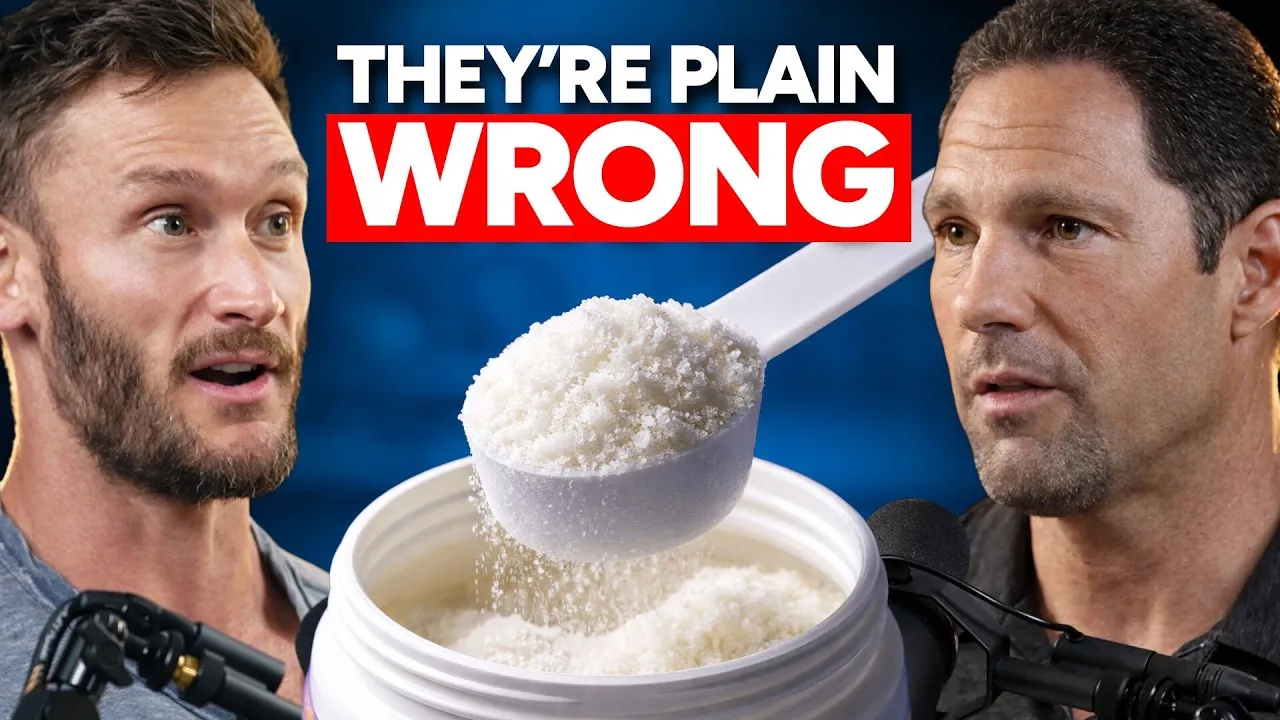
Melatonin Myths Busted: Benefits Beyond Sleep
For years, many people believed that taking melatonin could lead to dependency, forcing them to rely on it to fall asleep. However, new insights from neuroscientists suggest this common understanding might be wrong. Melatonin, a hormone naturally produced by your body, plays a crucial role in sleep-wake cycles, but its benefits may extend far beyond just helping you drift off.
Understanding Melatonin: More Than Just a Sleep Aid
Dr. Robert L. S. L. (who has studied melatonin for nearly 30 years and published research on its neuroprotective effects) explains that there’s a lot of misinformation surrounding melatonin. He notes that he has not seen data indicating physical dependence on melatonin. He personally takes melatonin daily and has found no withdrawal or dependency issues when he occasionally stops.
His own experience and research suggest melatonin is a powerful antioxidant that can cross the blood-brain barrier. This means it can reach the brain and offer significant protection. It has demonstrated neuroprotective effects, which could be beneficial for preventing age-related chronic diseases, and may even play a role in cancer prevention.
Melatonin’s Role in Reducing Oxidative Stress
Inflammation, a key factor in many chronic diseases, is often driven by oxidative stress. This stress comes from unstable molecules called free radicals. Melatonin acts as a potent antioxidant, neutralizing these harmful molecules. In laboratory studies, melatonin has been shown to significantly reduce superoxide anion production, a major contributor to oxidative stress originating from mitochondria, the energy-producing centers of our cells.
By reducing this oxidative stress, melatonin can help protect cells and tissues from damage. This is particularly relevant for age-related diseases where mitochondrial dysfunction and excess oxidative stress play a significant role. While other antioxidants exist, melatonin is unique because it’s naturally produced by the body and offers a wide range of benefits.
Melatonin and Sleep: Faster Sleep Onset
While melatonin’s antioxidant and neuroprotective properties are significant, it also helps with sleep. Dr. L. finds that taking about 5 mg of a chewable melatonin supplement helps him feel sleepy within 15-20 minutes. It decreases his sleep latency, meaning he falls asleep faster.
Importantly, he emphasizes that while melatonin helps him fall asleep quicker, it does not negatively impact his sleep quality, such as deep sleep or REM sleep. He continues to get good quality sleep even without it, with the primary difference being the time it takes to fall asleep.
Hormone Levels and Melatonin: Separating Fact from Fiction
A common concern is whether taking melatonin, a hormone itself, could suppress the body’s natural hormone production. Dr. L. has measured his hormone levels, including luteinizing hormone and FSH, while taking melatonin for decades and found them to be normal. His blood work showed no changes after stopping melatonin, and his natural melatonin production returned to healthy levels.
He states that, to his knowledge, there is no data suggesting melatonin suppresses natural melatonin production or negatively affects other hormone levels in adults. However, he advises caution for children and developing adolescents, as they are more sensitive to hormonal changes.
Dosage and Supplement Quality: What You Need to Know
Regarding dosage, Dr. L. notes that while physiological levels might be in the microgram range, milligram amounts (1-5 mg or more) may be more effective for neurological and anti-inflammatory benefits. He takes 5 mg himself and has found it beneficial.
He also stresses the importance of choosing high-quality, third-party tested melatonin supplements. The actual dosage in many supplements can vary significantly from what’s listed on the label. He recommends brands that undergo third-party testing to ensure accuracy and purity.
Some individuals have reported taking very high doses (3,000-5,000 mg) of melatonin daily, experiencing benefits like reduced anxiety and feeling great, even using it for cancer therapy support. While these individuals reported no negative effects, Dr. L. advises caution for cancer patients undergoing chemotherapy or radiation. This is because these treatments often work by creating oxidative stress, and melatonin’s antioxidant properties could potentially interfere with their effectiveness.
Melatonin’s Impact on Memory and Learning
Melatonin’s benefits may extend to cognitive functions like learning and memory. Research suggests that melatonin can enhance the process of long-term potentiation (LTP), which is crucial for forming and strengthening memories. It does this by modulating glutamate receptor signaling, making the brain more receptive to learning signals.
Effective learning often involves excitement and engagement, followed by consolidation during sleep. Melatonin’s ability to improve sleep quality can therefore indirectly support memory consolidation. By ensuring good sleep, melatonin helps the brain process and store information learned during the day.
Other Sleep and Calmness Aids
The discussion also touched upon other substances that can promote calmness and sleep. While GABAergic compounds like benzodiazepines can be effective, they carry a high risk of dependency and severe withdrawal symptoms. Safer alternatives like specific forms of GABA (like those that cross the blood-brain barrier) or other natural compounds like valerian root and Kava were mentioned, though Kava requires careful extraction to avoid liver toxicity.
Magnesium glycinate, a combination of magnesium and the amino acid glycine, was highlighted for its calming effects. Glycine itself is an inhibitory neurotransmitter that can promote relaxation and improve sleep. Glutamine supplementation was also mentioned as potentially helping with calmness, especially for those training intensely.
Consult Your Doctor
While melatonin offers promising benefits for sleep, antioxidant support, and potentially even cognitive function, it’s essential to approach supplementation wisely. Always choose reputable, third-party tested products and consider your individual health needs.
This information is for educational purposes and is not a substitute for professional medical advice. Always consult with your doctor or a qualified healthcare provider before making any decisions about your health or treatment.
Source: They Were WRONG About Melatonin (Neuroscientist Proves It) (YouTube)