Running AI Locally Offers New Power and Privacy
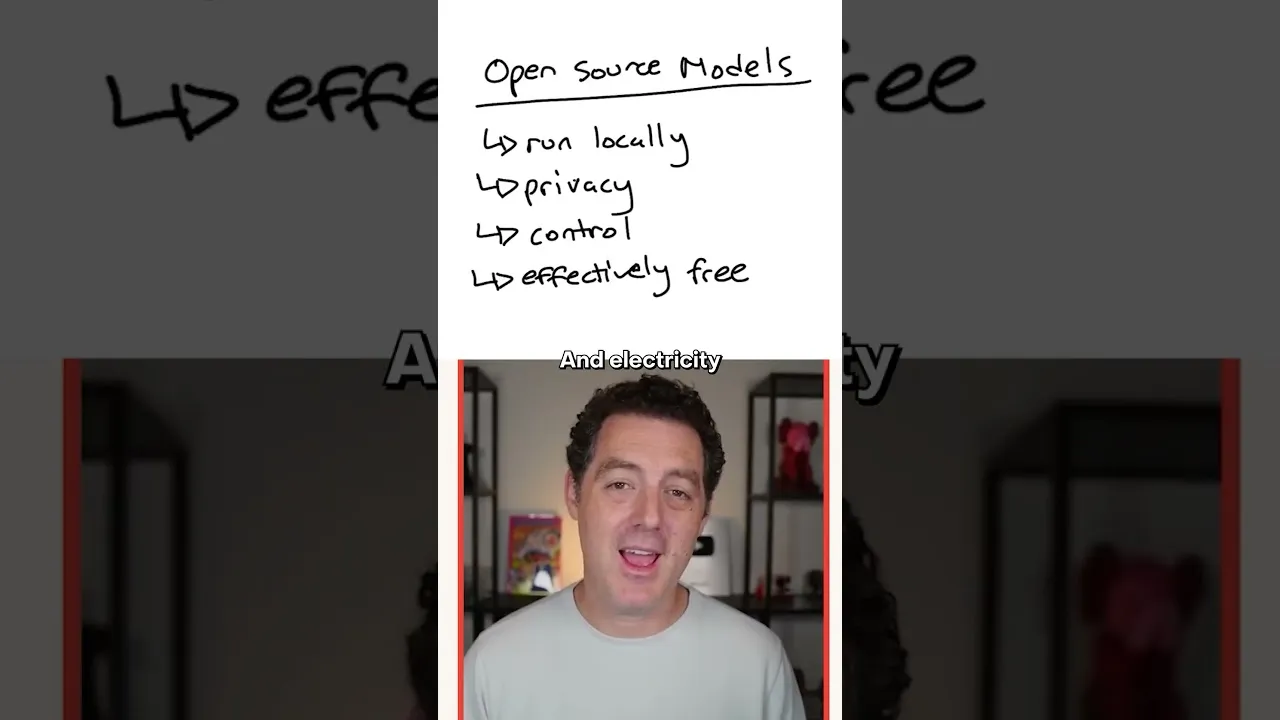
The world of artificial intelligence is buzzing, and a key part of the excitement comes from open-source models. These are AI programs that anyone can download, use, and even change. One of the biggest draws is the ability to run them on your own computer, right at home. This means your data stays with you, offering a level of privacy that cloud-based services can’t match. It’s like having a super-smart assistant in your own house, not one that lives on someone else’s server.
Running AI locally also gives you more control. For those who like to tinker, you can adjust these models. This process, called fine-tuning, lets you train the AI for specific tasks. It’s a way to truly experience the cutting edge of AI power. Plus, it’s essentially free to use the software itself. The only costs are for the computer hardware you already have and the electricity to run it.
The Trade-offs of Going Open-Source
However, there are downsides to this approach. You need to be more technically skilled to set up and run these models. It’s not as simple as visiting a website like ChatGPT. Open-source models also generally aren’t as powerful or as accurate as the top-tier models offered by big companies. These leading models, often called frontier models, have massive resources behind them.
For instance, a model like OpenAI’s GPT-4 or Google’s Gemini Ultra represents the peak of current AI development. They are trained on enormous amounts of data and have billions of parameters, which are like the tiny knobs and dials that an AI uses to learn. These frontier models often perform better on complex tasks and benchmarks, which are like AI exams used to measure performance.
When Open-Source AI is Enough
But here’s the key point: for most everyday tasks, open-source models are more than capable. Think about tasks like summarizing text, answering simple questions, or helping with basic writing. These are the kinds of jobs that open-source AI can handle very well. You might not need the absolute best, most powerful AI available for these common uses.
Consider the vast number of AI applications people use daily. Many of these don’t require the absolute peak of AI performance. For 95% of common use cases, an open-source model can often do the job just as effectively. This makes them a practical and accessible choice for many users and developers.
Why This Matters
The growth of capable open-source AI is important for several reasons. It democratizes access to powerful AI technology. Instead of only large companies having access to the best tools, smaller businesses and individual developers can now build and innovate. This can lead to a wider variety of AI applications tailored to specific needs.
Furthermore, the privacy aspect is a significant benefit. As more of our lives move online, keeping personal data secure is crucial. Running AI models locally means sensitive information doesn’t need to be shared with third parties. This builds trust and encourages wider adoption of AI tools.
The Future of AI Accessibility
Companies like Meta have released powerful open-source models such as Llama 3. These models are becoming increasingly competitive with proprietary options. While they may not always win on every single benchmark test, their performance is excellent for a wide range of applications.
The availability of these models, often free to download and use, lowers the barrier to entry for AI development. Developers can experiment and build new AI-powered products without massive upfront costs. This accelerates innovation across the entire field of artificial intelligence.
As open-source AI continues to improve, the gap between it and the most advanced proprietary models will likely narrow. This trend promises a future where powerful AI tools are more accessible, more private, and more customizable than ever before. The next big leap in AI might just come from your own computer.
Source: the secret GOATed AI (YouTube)