Poverty’s Hidden Costs: Why Being Poor Is Expensive
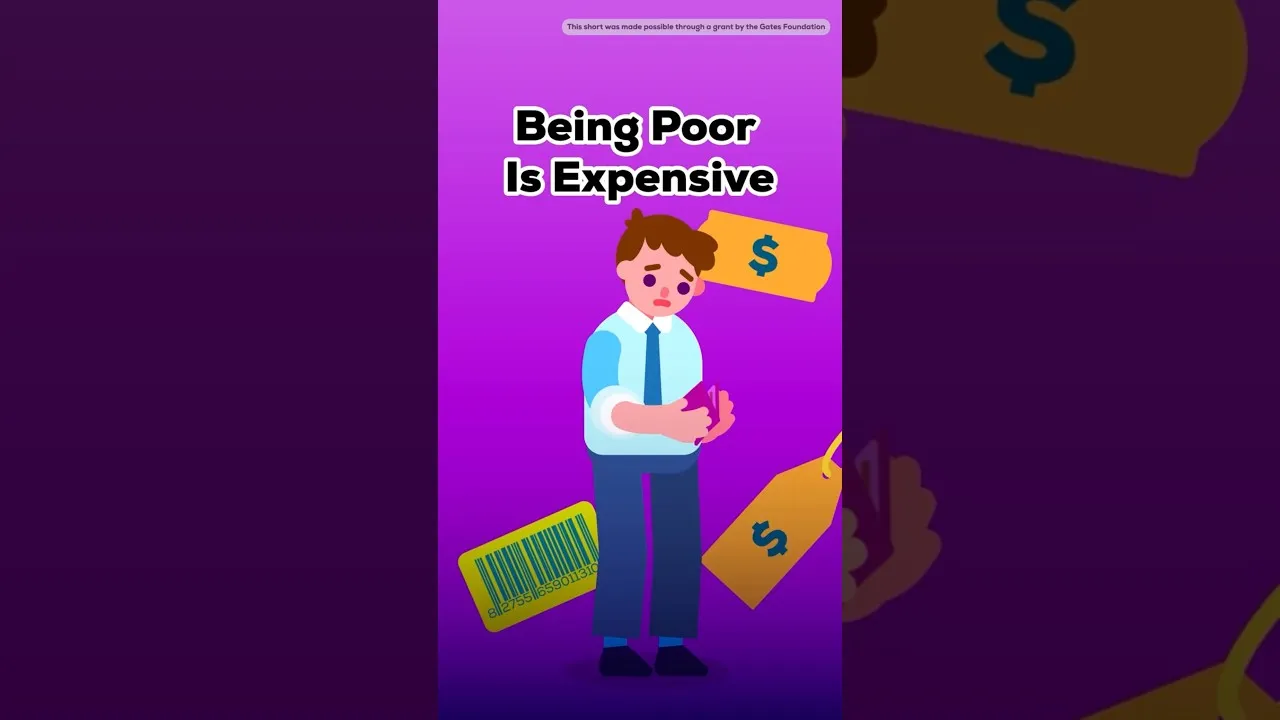
Poverty is more than just lacking money; it actively makes life more expensive. Small setbacks can quickly become huge problems, trapping people in a cycle of struggle. This isn’t just about having less; it’s about paying more for nearly everything.
The Price of Necessity
Imagine needing a new washing machine but having no savings. You can’t afford to buy one outright, so you look for payment options.
Often, the only choices available are high-interest loans or rent-to-own plans. These options might let you get the machine now, but they cost much more over time.
A washing machine that costs $500 if paid in cash might end up costing $800 or more through these payment plans. This is a common example of how necessities become luxuries for those with little money. They are forced to pay a premium just to access basic goods and services.
Fees Add Up
Financial systems often include fees that disproportionately affect the poor. Bounced checks, late payment fees, or overdraft charges can quickly drain a small bank account. These fees are often a few dollars each, but they can pile up fast.
For someone living paycheck to paycheck, a $30 overdraft fee can be devastating. It means $30 less for groceries or rent. This makes it harder to get back on stable financial ground, creating a constant cycle of trying to catch up.
Limited Choices Mean Higher Prices
Lack of money also limits choices, often leading to paying more. For example, people with limited funds may not be able to buy in bulk, which is usually cheaper per item. They might also live in neighborhoods with fewer grocery stores, forcing them to pay more for food at smaller corner stores.
Transportation is another area where choices are limited. Without a car, one might rely on expensive public transport or taxis, especially for urgent needs. This lack of flexibility forces people into less efficient and more costly options, making everyday life a financial challenge.
The Cycle of Debt
When unexpected expenses arise, like a medical emergency or car repair, those without savings often turn to high-cost loans. Payday loans, for instance, can have annual interest rates of 400% or more. While they offer quick cash, they trap borrowers in a cycle of debt.
Paying back these loans often requires taking out new ones, pushing people deeper into financial trouble. This debt burden makes it even harder to save money or invest in opportunities that could improve their situation.
Health and Well-being Costs
Poverty also impacts health, leading to higher healthcare costs. Chronic stress from financial worries can cause numerous health problems. Access to preventative care is often limited, meaning illnesses are treated at later, more expensive stages.
Missed work due to illness further reduces income, creating a vicious cycle. The long-term effects on health and earning potential mean that poverty is not just a temporary state but a costly condition.
Breaking the Cycle
Understanding these hidden costs is crucial for finding solutions. Policies that provide access to affordable financial services, better public transportation, and improved healthcare can make a real difference. Supporting programs that offer financial literacy and job training also helps individuals build stability.
The goal is to reduce the extra costs associated with poverty and create pathways for people to achieve financial security. This requires looking beyond just income levels and addressing the systemic issues that make being poor so expensive.
Future efforts could focus on expanding access to no-interest loan programs and strengthening community support networks. These steps can help create a more equitable system where everyone has a fair chance to thrive.
Source: Why Being Poor Is Expensive (YouTube)