Retiree’s Financial Ruin Looms After Failed Deal
A 62-year-old man is staring down potential financial ruin after a real estate venture went terribly wrong. He could owe a bank as much as $500,000 from the deal, a sum that would likely lead to bankruptcy. The situation highlights the significant risks involved in partnerships, especially when financial standing is uneven among participants.
The real estate deal involved five partners, but the man’s involvement was less formal. Lenders had only secured signatures from the partners with substantial assets, believing they would be the primary source of repayment. This oversight means creditors are unlikely to pursue the 62-year-old, as he possesses virtually no assets to seize.
Partnership Risks and Asset Protection
Creditors typically target individuals with the most to lose. In this case, the partners with existing wealth are the primary targets for the $500,000 judgment. The 62-year-old, with only about $3,000 to his name, has little to offer.
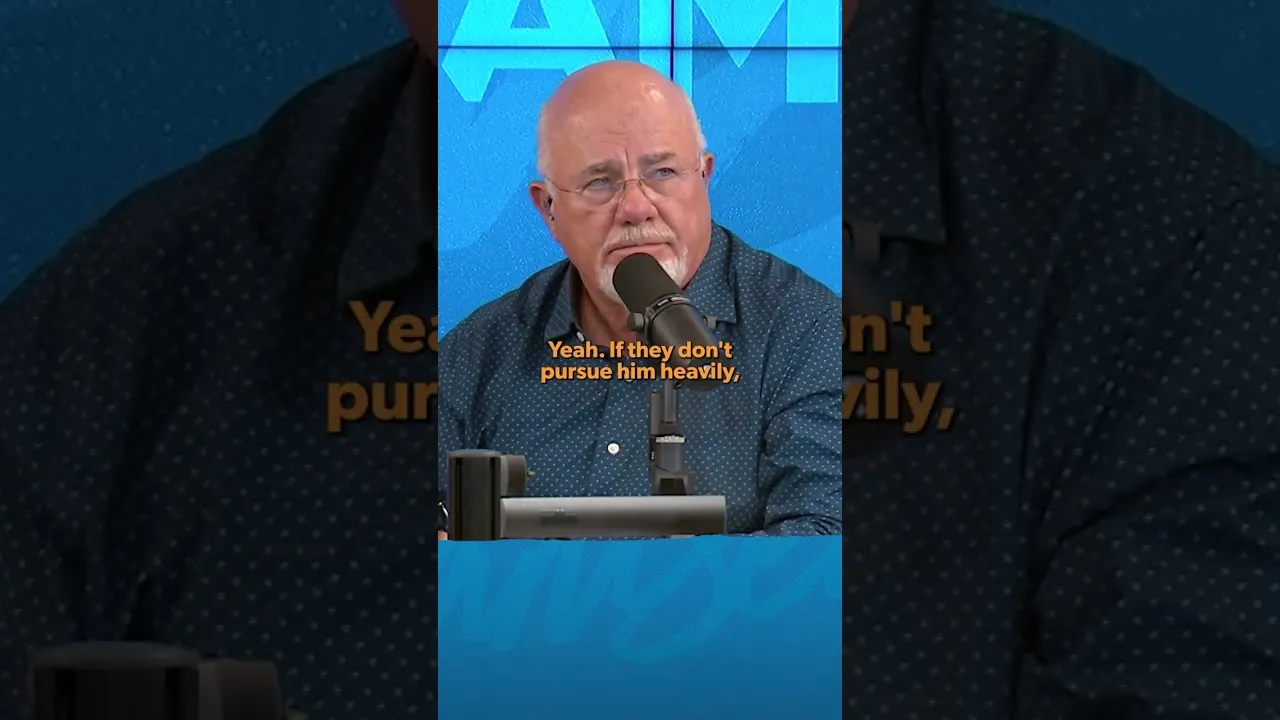
If creditors attempt to place liens on his meager possessions, he has the option to file for bankruptcy. This legal process can discharge many debts, offering a fresh start. Knowing he has no substantial assets, creditors understand that pursuing him aggressively would be a fruitless endeavor.
Desperation Drives Risky Decisions
The man’s decision to enter the real estate deal stemmed from a place of deep financial anxiety. He was reportedly desperate and fearful of retiring bankrupt, viewing the deal as a last-ditch effort to secure his financial future. This kind of high-stakes gamble is often driven by fear rather than sound financial planning.
Experts often advise against making major financial decisions when feeling desperate. Such moves, sometimes called “Hail Mary” plays in finance, carry an extremely high risk of failure. The aftermath of this particular deal is a clear reminder of the potential consequences.
Market Impact and Investor Caution
This situation, while personal, reflects broader market dynamics. Real estate partnerships, particularly those involving multiple parties with varying financial capacities, can create complex liability issues. When one partner faces significant debt and lacks assets, the burden often falls disproportionately on others or leads to legal battles over who is ultimately responsible.
For investors, this case highlights the importance of thorough due diligence, especially when entering joint ventures or partnerships. Understanding the financial standing and contractual obligations of all parties involved is crucial. It also highlights the protective role bankruptcy can play for individuals with limited assets facing overwhelming debt.
What Investors Should Know
When considering investments, particularly those involving shared risk, it is vital to understand your liability. This includes reviewing partnership agreements carefully and assessing the financial health of all involved parties. For individuals nearing retirement or facing financial distress, seeking professional financial advice before making speculative moves is paramount.
The man’s situation is a cautionary tale about the dangers of making impulsive financial decisions out of fear. The desire to avoid bankruptcy by taking on significant risk paradoxically pushed him closer to that very outcome. His current challenge is to shift from making “desperate” moves to adopting a more stable and sustainable financial strategy moving forward.
The immediate next step for the 62-year-old will likely involve consulting with legal and financial professionals to navigate the potential judgment and explore all available options, including bankruptcy protection.
Source: His Dad is 62 and Only Has $3,000 to His Name (YouTube)