Avoid Burnout: Prioritize Your Well-being First
Many people spend their lives putting others first, whether it’s family, work, or friends. While caring for others is admirable, consistently neglecting your own needs can lead to burnout and, ironically, make you less effective at helping those you love. This common pattern, often seen in caregivers and busy professionals, can quickly drain your resources, leaving you unable to function at your best.
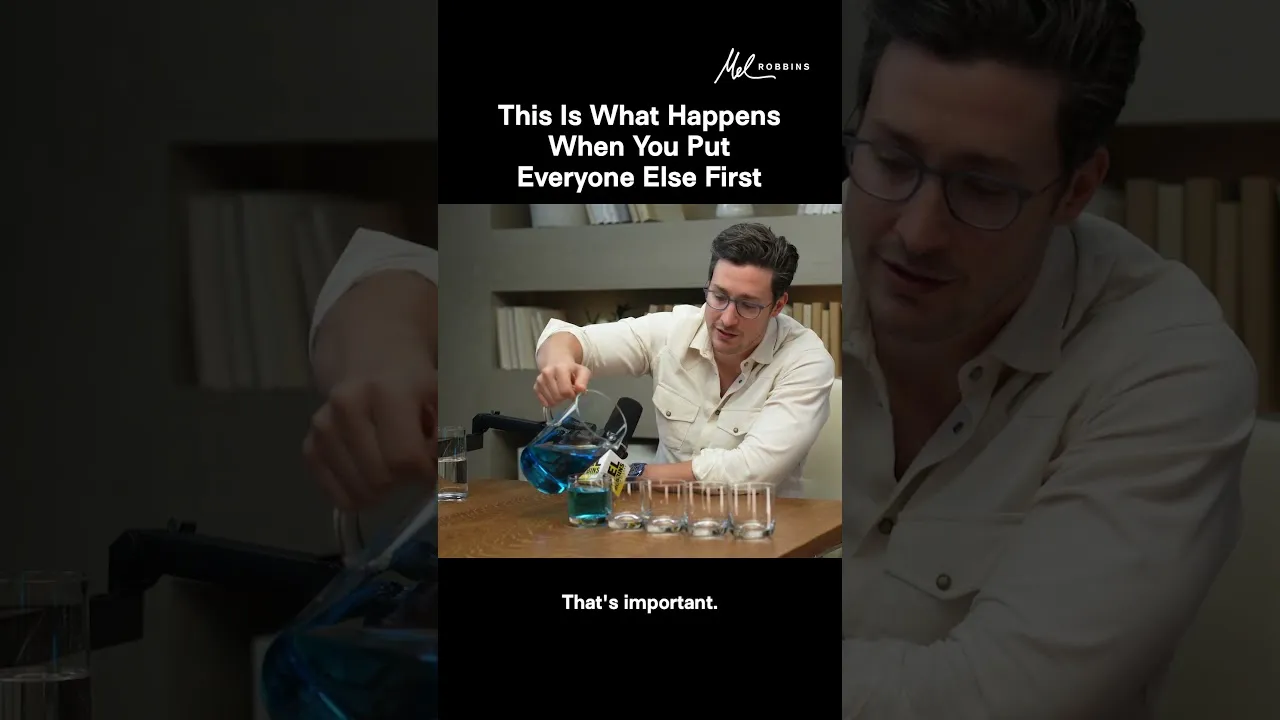
Imagine your energy as a pitcher of blue water, representing your life force and ability to handle daily demands. Each commitment you have – from your job and raising children to caring for aging parents and maintaining a relationship – requires a pour from this pitcher. As these demands increase, your energy reserves deplete rapidly, much like the water level dropping with each pour.
The Draining Effect of Constant Giving
Consider the typical demands on a busy individual. Showing up for work requires significant effort and energy, taking a portion of your reserves.
Then there’s the energy needed to care for children, a task that can be both rewarding and demanding, further reducing your available energy. For those also caring for aging parents, this commitment adds another substantial drain on their resources.
The demands don’t stop there. Maintaining a healthy relationship with a spouse or partner also requires time, attention, and emotional energy.
Even personal interests like hobbies or travel, which are crucial for a balanced life, require energy that may no longer be available. This constant outflow of energy leaves individuals feeling depleted and unable to manage even basic daily tasks like grocery shopping or cooking.
The Empty Cup: Consequences of Self-Neglect
When your energy reserves are completely depleted, you have nothing left to pour into yourself. This includes essential aspects of well-being like joy, sufficient sleep, and proactive health management, such as lowering cholesterol.
By prioritizing everyone and everything else, you neglect the very source of your ability to give: yourself. Without replenishing your own energy, you risk failing those you are trying to support.
This concept is often illustrated by the idea of a “caregiver’s cup.” If your own cup isn’t being refilled, it will eventually run dry. Even when you manage to give everyone else what they need, life inevitably presents new challenges and demands. If your personal “cup” is empty, you won’t have the strength or resources to handle these additional needs, impacting your ability to care for yourself and others effectively.
This situation is not just about feeling tired; it can lead to serious health consequences and emotional distress. When your energy is gone, so is your capacity to cope with stress, maintain positive relationships, and enjoy life. The cracks in the “cups” mentioned in the analogy represent the ongoing, often unseen, demands and potential problems that require constant attention and energy refills.
Recharging Your Own Cup
The key takeaway is that self-care is not selfish; it is essential for sustainable well-being and effective caregiving. Prioritizing your own physical and mental health allows you to maintain the energy and resilience needed to navigate life’s challenges and support your loved ones. This means making time for rest, pursuing enjoyable activities, and seeking support when you need it.
For individuals who consistently find themselves running on empty, it’s crucial to reassess priorities and implement strategies for self-replenishment. This could involve setting boundaries, delegating tasks when possible, or seeking professional help. By ensuring your own “cup” is full, you create a stronger foundation for yourself and a more sustainable capacity to care for those around you.
Key Health Takeaways
- Constantly prioritizing others without self-care leads to burnout and reduced effectiveness.
- Your personal energy and resources are finite and must be replenished.
- Neglecting your own needs impacts your ability to manage daily tasks and health.
- Self-care is not selfish; it’s essential for maintaining your capacity to help others.
- Implement strategies to refill your energy reserves, such as setting boundaries and seeking support.
This information applies to anyone, but is particularly relevant for caregivers, busy parents, and professionals experiencing high levels of stress. If you consistently feel drained and overwhelmed, it is a sign that your personal needs require attention.
This article is for informational purposes only and does not constitute medical advice. Always consult with a qualified healthcare provider for any health concerns or before making any decisions related to your health or treatment.
Start today by identifying one small action you can take to refill your own energy cup.
Source: This is what happens when you put everyone else first | Mel Robbins #Shorts (YouTube)