Stop Self-Gaslighting: Balance Emotions for Mental Well-being
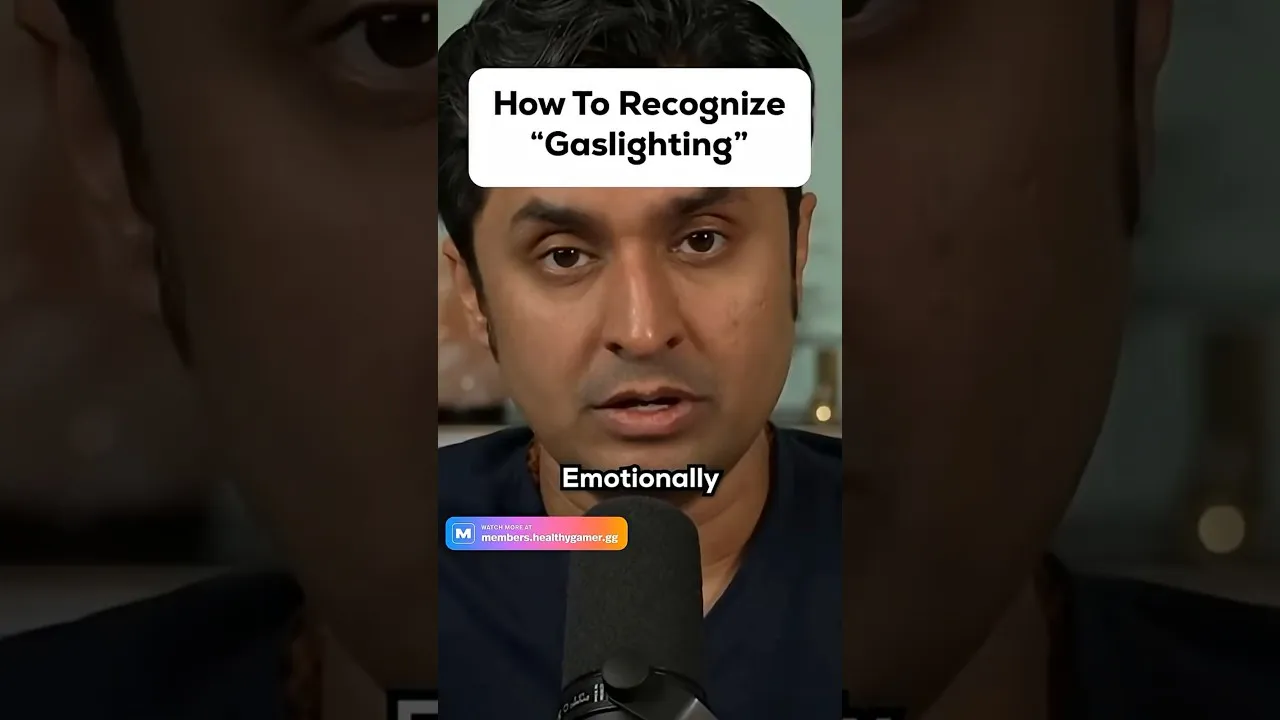
Many people think of gaslighting as something others do to them, but experts say we often do it to ourselves without realizing it. This form of self-gaslighting happens when we ignore parts of our experience to fit a certain belief, often a negative one. It’s like ignoring the whole truth and focusing only on one small piece to make a point, usually about ourselves being bad or wrong.
This tendency to see things in black and white, rather than with nuance, can lead us to believe the world is a terrible place or that we have no hope. If you’ve ever felt that things are hopeless and you’ll never succeed, that belief itself might be a form of self-gaslighting. It’s ignoring the many instances where people have overcome difficult times and found success.
Understanding Your Default State
Our natural tendency can be to lean into negative thinking, and this is why learning to manage our emotions can feel like gaslighting at first. When we try to cultivate positive feelings or challenge negative beliefs, it might feel like we’re ignoring our ‘real’ feelings. However, this is a crucial step in emotional regulation, not a form of self-deception.
Think of it like this: if your default setting on a thermostat is always set to cold, turning it up to a comfortable temperature might feel unnatural. But that doesn’t mean the heat is ‘fake’; it’s just a change from your usual, less comfortable setting. Similarly, shifting from negative to positive emotions is a healthy adjustment, not a denial of reality.
The Power of Emotional Flexibility
Experts suggest a powerful technique to build emotional resilience: cultivate both positive and negative emotions intentionally. This doesn’t mean dwelling on the negative, but rather acknowledging and processing it, even when things seem good.
For instance, if you’ve just met someone and feel an intense connection, it’s natural to feel overjoyed. However, instead of letting that overwhelming positive emotion completely take over, it’s healthy to also cultivate a little bit of caution or worry. This involves remembering past experiences where intense feelings didn’t lead to lasting happiness or considering that things might not always work out perfectly.
This practice of ‘bursting your own bubble’ a little is not about being pessimistic. It’s about slowing down and avoiding the trap of thinking one perfect situation or person is the ultimate solution. It helps you stay grounded and realistic, preventing future disappointment.
Cultivating Both Sides of Emotion
Feeling flexibly means actively engaging with both positive and negative emotions. When you are feeling great, allow yourself to feel that joy, but also make space for a touch of anxiety or realism. This might mean acknowledging that even in a happy moment, challenges can still exist or that positive feelings can fluctuate.
Conversely, when you are feeling down, it’s important not to let that negative emotion completely define your reality. While acknowledging sadness is vital, it’s also helpful to recall times you felt better or to consider that difficult feelings are often temporary. This balance prevents you from getting stuck in a negative loop or from falsely believing that things will never improve.
This balanced approach helps you develop a more realistic and resilient outlook on life. It acknowledges that life is full of ups and downs, and that experiencing a range of emotions is normal and healthy. By practicing emotional flexibility, you can better navigate challenges and appreciate good times without losing touch with reality.
Key Health Takeaways
- Self-gaslighting occurs when you ignore parts of your truth to fit a belief, often a negative one about yourself.
- Your default state might lean towards negative thinking, making emotional regulation feel like denial at first.
- Healthy emotional regulation involves balancing positive and negative emotions, not suppressing either.
- Intentionally cultivating a little caution or realism during intense positive moments can prevent future disappointment.
- Acknowledging negative emotions is important, but so is remembering that difficult feelings are often temporary.
- Practicing emotional flexibility leads to a more realistic and resilient perspective on life’s challenges and joys.
This information is for educational purposes and is not a substitute for professional medical advice. Always consult with a qualified healthcare provider for any health concerns or before making any decisions related to your health or treatment.
The practice of cultivating emotional flexibility can be particularly beneficial for individuals prone to anxiety, depression, or those who have experienced trauma. It’s a skill that can be developed over time with conscious effort. Consider exploring mindfulness or cognitive behavioral therapy (CBT) techniques to further support your emotional well-being.
Source: How To Recognize Gaslighting (YouTube)