Master Your Emotions: Connect with Feelings, Not Fight Them
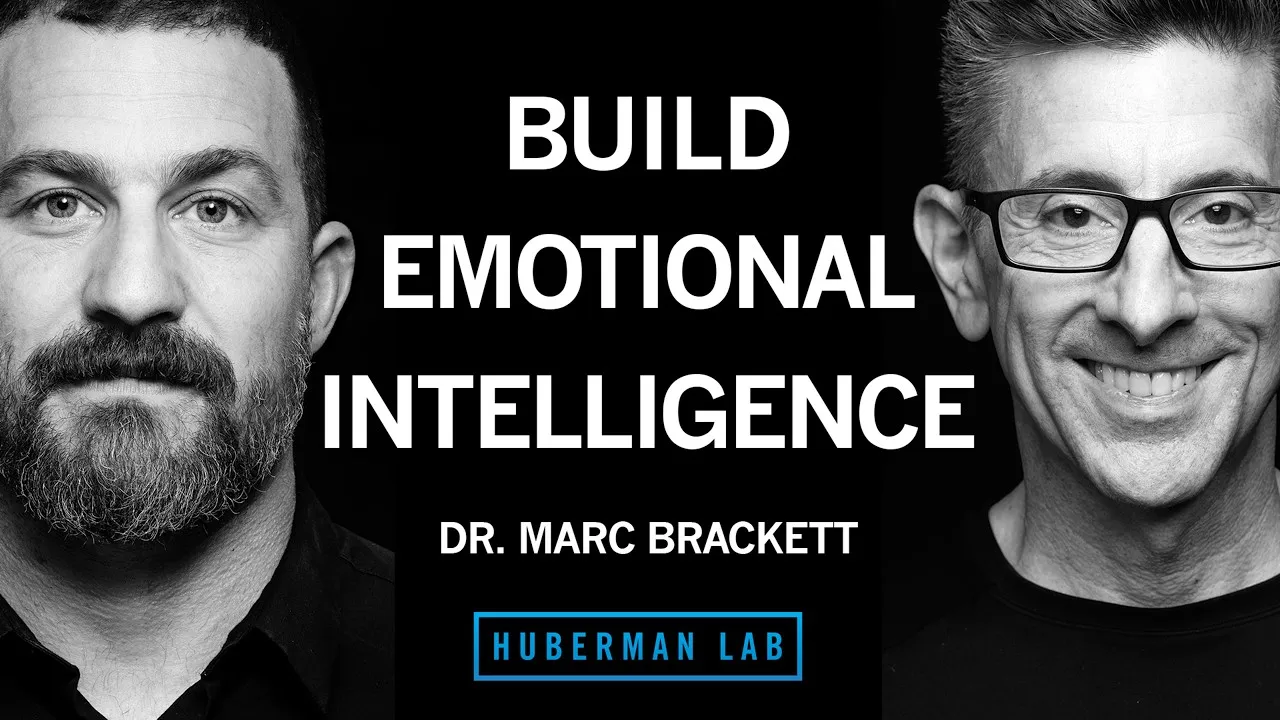
Learning to manage your emotions isn’t about getting rid of them. Instead, it’s about building a healthier relationship with your feelings. Dr. Marc Brackett, a psychology professor at Yale University and director of the Yale Center for Emotional Intelligence, explains that emotion regulation is about using your feelings wisely to achieve your goals.
This approach helps you navigate life’s challenges, from school and work to personal relationships. Dr. Brackett, an expert in emotional intelligence, offers practical tools derived from scientific research. These tools can improve how you understand, communicate, and respond to your emotions and those of others.
Understanding Emotion Regulation
Emotion regulation, or ER, can be understood with a simple formula: ER = Goals + Strategies. This process is influenced by three key factors: the specific emotion you’re experiencing (E), your individual personality and traits (P), and the situation or environment you’re in (C). Your approach to managing feelings will differ based on whether you feel anxious, angry, or joyful, and will also depend on your personal tendencies and the context.
The goals of emotion regulation include preventing unwanted emotions, reducing difficult ones, initiating desired emotions (like enthusiasm when teaching), maintaining positive feelings, and enhancing emotions when needed. These strategies are not one-size-fits-all; they must be tailored to the individual and the circumstances.
The Mindset Matters: Reframing Your Feelings
A common misconception is that certain emotions, like anxiety, are inherently bad. Dr. Brackett shares a personal story about realizing his anxiety wasn’t a negative sign but rather an indicator of what was important to him. This reframing suggests that emotions themselves are not good or bad; it’s how we react to them that can cause problems.
Adopting a mindset that all emotions are okay, but not all expressions are appropriate for every situation, can bring a sense of freedom. It’s acceptable to feel angry or anxious, but how you express these feelings is critical and should be context-specific. This understanding allows for greater self-awareness without getting stuck in constant self-monitoring.
Beyond Suppression: Developing New Relationships with Emotions
Emotion regulation doesn’t mean trying to make difficult feelings disappear. Instead, it’s about changing your relationship with them. Dr. Brackett likens this to greeting anxiety with a simple, “Hello, how are you today?” Sometimes, acknowledging an emotion allows it to pass more quickly or simply exist without causing distress.
Constantly monitoring and trying to regulate your emotions throughout the day would be unproductive and overwhelming. Most of the time, emotions operate in the background. They become significant when there’s a change in our environment or relationships, prompting us to choose how to respond.
Navigating Happiness and Societal Norms
Societal messages can sometimes create complex relationships with emotions like happiness. For instance, some may internalize the idea that being overly happy suggests a lack of awareness of the world’s problems or a lack of discernment. Dr. Brackett experienced this himself, feeling uncomfortable with happiness due to past experiences with bullying, where being happy seemed to invite negative attention.
Research suggests that constantly striving for intense happiness can lead to misery, while pursuing contentment often results in greater well-being. This highlights the importance of accepting a full range of emotions, including challenging ones, and understanding that not every day will be a good one. Developing a belief in your capacity to handle difficult emotions is key.
Understanding Emotional Expression in Boys and Men
Historically, vulnerability has often been seen as a weakness, particularly for men, who were expected to be tough and stoic. The idea that emotional expression is feminine and out of control still persists for many boys and men. This can lead to a reluctance to express feelings of sadness, disappointment, or shame, with anger often being the more socially acceptable outward emotion.
This societal conditioning can link expressing certain emotions to perceived incapability or even to stereotypes about sexual orientation. For example, a boy expressing disappointment might be indirectly perceived as less capable or masculine. While some progress has been made in challenging these stereotypes, they continue to influence how many young men feel they can express their emotions.
Vulnerability and Emotional Skills
Dr. Brackett prefers the term “emotion skills” over “emotional intelligence” to emphasize the practical, learnable nature of managing feelings. Vulnerability is a significant aspect of this. While context plays a role in who we feel safe being vulnerable with, the societal pressure on men to suppress emotions like sadness or shame remains a barrier.
Instances where public figures like David Goggins show vulnerability are often celebrated, but this is sometimes perceived differently because of their established strength and capability. For others, expressing similar vulnerability might be seen as a sign of weakness or struggle, reinforcing the idea that such emotions are best hidden.
Learned Behaviors and Emotional Regulation
Emotional regulation is largely learned, not something we are born with. Our parents’ approaches to emotions, whether through open expression, suppression, or a lack of acknowledgment, significantly shape our own emotional skills. For example, one person might grow up in a household where anger is suppressed, while another experiences more outward emotional expression.
While women are often found to be less likely to suppress emotions and more likely to ruminate, men are often taught to deny or suppress feelings deemed “weak.” This learned behavior can hinder adaptive emotion regulation. Recognizing these learned patterns is the first step toward developing healthier emotional skills.
Key Health Takeaways
- Emotion regulation is about managing feelings wisely, not eliminating them.
- Your strategies for managing emotions depend on the emotion, your personality, and the context.
- Reframe emotions: there are no inherently good or bad feelings, only our reactions to them.
- Develop a new relationship with your emotions; acknowledge them rather than trying to suppress them.
- Societal pressures can impact how freely we express emotions like happiness, sadness, or anger.
- Boys and men often face unique challenges in expressing vulnerability due to learned norms about masculinity.
- Emotion regulation is a skill that can be learned and improved throughout life.
This article provides information based on insights from Dr. Marc Brackett, a leading expert in emotional intelligence. It is intended for general informational purposes and does not constitute medical advice. Always consult with a qualified healthcare provider for any health concerns or before making any decisions related to your health or treatment.
Source: How to Better Regulate Your Emotions | Dr. Marc Brackett (YouTube)