Food Delivery Apps: The Hidden Costs Mount
Ordering food through delivery apps like DoorDash or Uber Eats may seem convenient, but the costs add up quickly. A recent look at a Chipotle burrito showed a price markup of $1 to $2 compared to buying it in the store.
Even with a subscription service like Dash Pass, a single meal with tip can easily reach over $22. Without such perks, that same order could cost closer to $29.
These delivery services were more affordable when they first launched about a decade ago. However, menu prices have climbed significantly, and the various fees associated with delivery can now feel excessive. This makes frequent use of these apps a costly habit for consumers.
New Cars: Rapid Depreciation and High Payments
Purchasing a brand-new car often comes with a steep price tag and immediate financial loss. The average price for a new vehicle now hovers around $50,000. This is a substantial investment for most households.
New cars lose value very quickly. In the first few years of ownership, a new car can depreciate by more than 25%. This means the car is worth much less than what you paid for it almost immediately.
Monthly payments for new cars are also high, often exceeding $750. This financial burden can strain budgets for years.
Concert Tickets: Prices Skyrocket
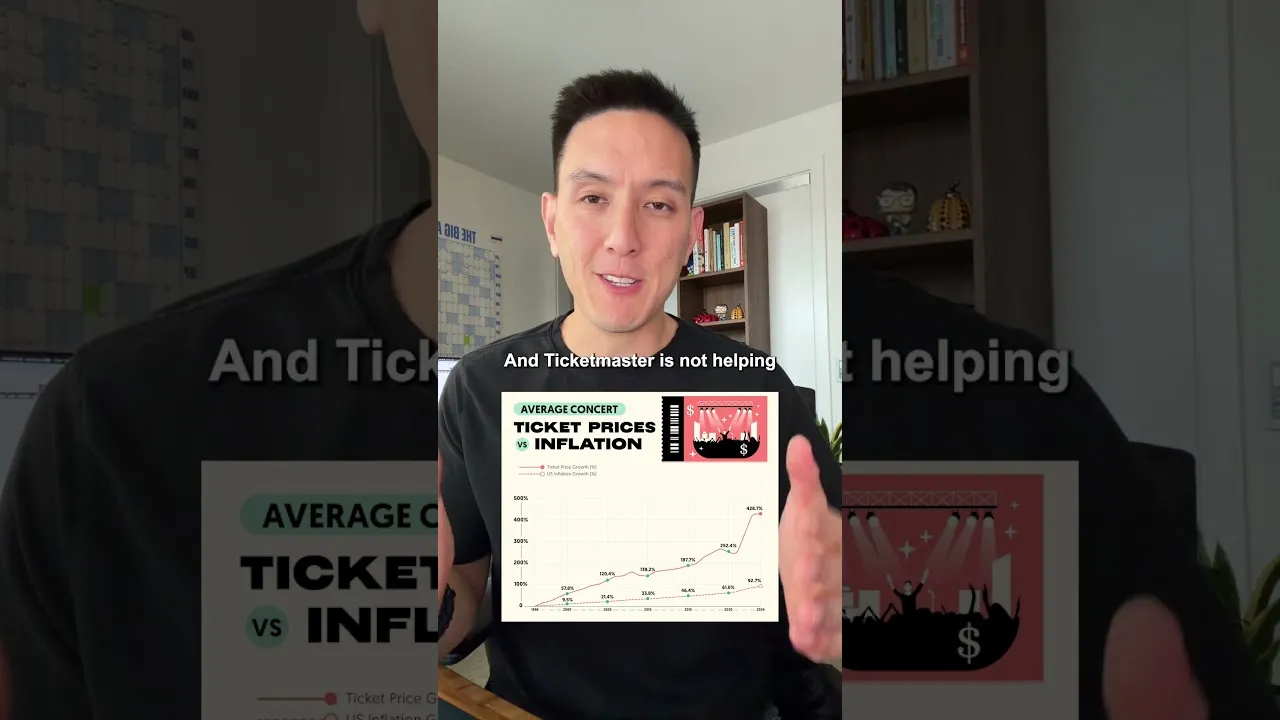
Attending live music events has become significantly more expensive over the past decade. About ten years ago, tickets for major artists might have cost between $50 and $100. Today, those same seats can easily run $300 to $400 or more.
Ticketing platforms like Ticketmaster have faced criticism for their role in these rising prices. High service fees and dynamic pricing models contribute to the overall cost for fans wanting to see their favorite performers live.
Extended Warranties: A Gamble for Consumers
Retailers often offer extended warranties on electronics, suggesting they provide valuable protection. For example, a $200 warranty for a $500 television might be presented as a smart purchase. However, these warranties often come with many exclusions.
They may not cover all types of repairs or damages that can occur. Statistically, these warranties are designed to generate profits for the store selling them, rather than providing genuine financial benefit to the customer. The likelihood of needing a repair that is fully covered is often low.
Status Spending: Impact on Financial Health
Spending money purely for the sake of status can seriously harm your financial well-being. This includes buying designer clothing, expensive event tickets like Coachella, or purchasing a car you cannot truly afford. It also extends to renting VIP tables at clubs for thousands of dollars.
These types of expenditures do not build your net worth. They also fail to strengthen your underlying financial foundation. Focusing on purchases that offer long-term value is a more prudent approach to managing your money.
Market Impact
The rising costs associated with everyday conveniences and popular entertainment are impacting household budgets. For the auto industry, the high price of new cars and their rapid depreciation may encourage more consumers to explore the used car market. This could lead to increased demand and potentially higher prices for pre-owned vehicles.
In the entertainment sector, soaring ticket prices could limit attendance for some fans. This might force artists and promoters to reconsider pricing strategies or explore alternative revenue streams. The trend highlights a growing disconnect between the cost of goods and services and what consumers perceive as reasonable value.
What Investors Should Know
Investors might consider how these consumer spending trends affect different companies. For instance, food delivery companies face scrutiny over their pricing models and profitability. The automotive sector sees a potential shift towards used car sales, impacting new car manufacturers and dealerships.
Companies in the live entertainment space, particularly ticketing platforms, should monitor consumer price sensitivity. Extended warranty providers and retailers selling them should be aware of customer skepticism. Understanding these consumer pain points can offer insight into where spending is shifting and which sectors might benefit or struggle.
The trend away from status-driven purchases suggests a potential move towards more value-oriented consumer behavior. This could benefit companies offering practical, durable, or cost-effective products and services.
Source: 5 Things No Longer Worth Your Money (YouTube)