OpenAI’s ImageGen 2 Redefines AI Image Creation
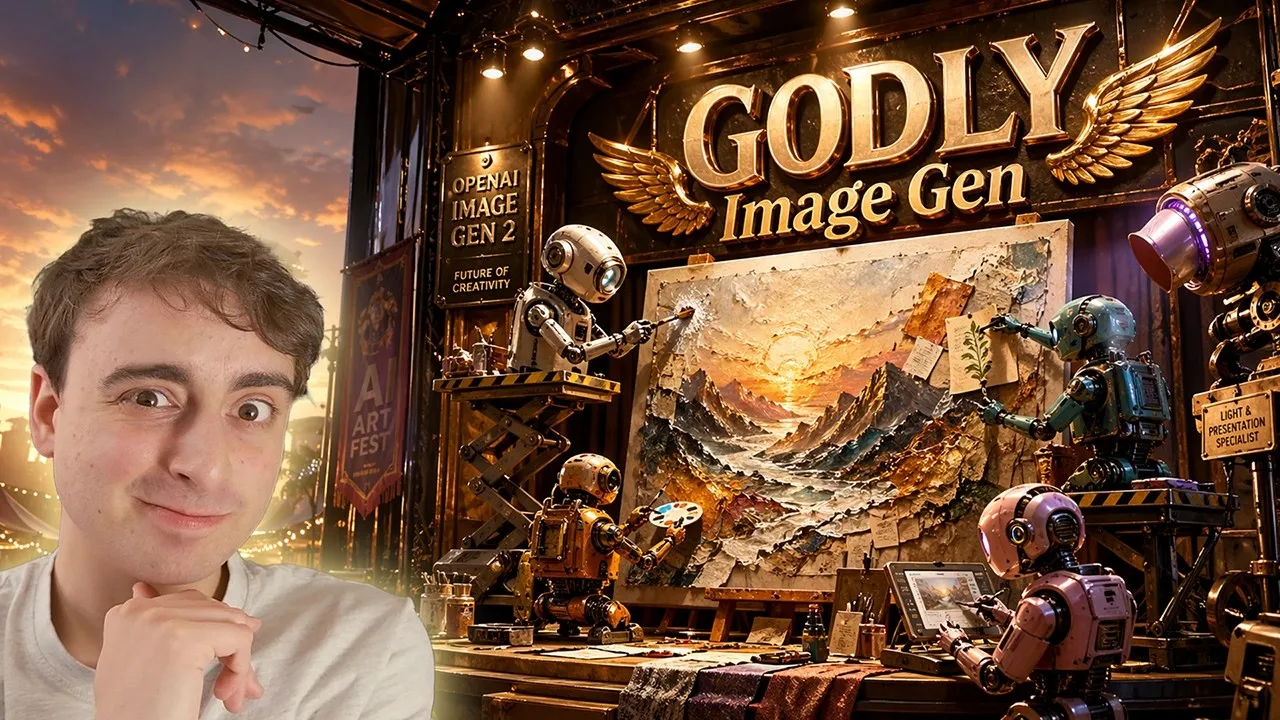
OpenAI has launched ImageGen 2, a powerful new AI tool that is significantly advancing the quality and realism of AI-generated images. This new model demonstrates remarkable capabilities, producing visuals that are often indistinguishable from real photographs or professional graphic design work. Early demonstrations show ImageGen 2 creating incredibly detailed and accurate representations, even mimicking complex user interfaces and specific artistic styles with surprising fidelity.
One striking example shared by OpenAI features a near-perfect replica of a macOS screenshot, complete with accurate fonts, UI layouts, and icons. While subtle inconsistencies might exist upon close inspection, the overall effect is highly convincing. This level of detail suggests the model has a deep understanding of visual elements it’s tasked with recreating, including the specific look and feel of popular software like ChatGPT.
Key Features and Capabilities
ImageGen 2 excels in its ability to adhere to specific styles and themes. Whether generating images in the style of video games, obscure websites, or particular art movements, the model consistently delivers high-quality results. This versatility extends to generating complex scenes with multiple elements, including text and detailed characters.
The model’s understanding of context is also noteworthy. It can generate not only visual elements but also accompanying text that fits the scene, as seen in a demonstration of a ChatGPT interface showing a discussion about an upcoming OpenAI live stream. This integration of visual and textual coherence marks a significant step forward in AI content creation.
Accessibility and Rollout
OpenAI plans to make ImageGen 2 widely available. Free users will have access to a limited number of generations, with increasing limits for users on paid plans. This tiered access model aims to balance broad availability with the demand for computational resources.
There are also indications of a new internal model, potentially referred to as “GPT 5.5” or “Spud,” which might be rolling out to Pro users. This model appears to enhance ChatGPT’s capabilities, with early tests suggesting it can create complex applications like a playable theme park simulator within the chat interface, further blurring the lines between AI assistants and creative tools.
Community Demonstrations and Comparisons
Early access users and the wider community have already showcased impressive uses of ImageGen 2. One notable example involves generating a grid of 100 unique pixel art items, each with distinct labels, all within a single image. This capability is particularly relevant for game development, where such assets could be directly used or easily adapted.
Comparisons with other leading AI image generators, such as Google’s Nano Banana (likely referring to Imagen), highlight ImageGen 2’s strengths. For instance, ImageGen 2’s ability to generate transparent images natively, if confirmed, would be a significant advantage over tools that require post-processing for transparency.
Advanced Use Cases and Performance
ImageGen 2 demonstrates advanced reasoning capabilities, producing images that are not only visually accurate but also conceptually sound. When prompted to create a movie poster for a serious documentary about crabs, the model generated a dramatic and believable poster with accurate text and thematic elements, showcasing its ability to interpret abstract concepts.
The model’s performance in generating complex infographics and educational content is also impressive. It can create detailed, multi-part visuals with accurate text and realistic imagery, such as a day-in-the-life infographic for bacteria or fungi. These examples highlight the model’s utility beyond simple image generation, extending into educational and informative content creation.
Image Editing and Future Potential
Beyond generation, ImageGen 2 offers robust image editing features. Users can upload existing images and prompt the AI to modify them, such as turning a pet cat into an alien. The model accurately retains key features of the original image while applying the requested transformation with a high degree of detail and creativity.
While the model’s ability to produce genuinely transparent images is still under scrutiny, its overall output quality, speed, and versatility are setting new benchmarks. The potential for AI models like ImageGen 2 to integrate seamlessly into workflows, generating assets and content on demand, promises to significantly impact various creative industries.
Why This Matters
ImageGen 2’s advancements represent a significant leap in AI’s ability to understand and generate complex visual information. The realism and detail it achieves open up new possibilities for content creators, designers, and developers. Its ability to accurately replicate interfaces, generate diverse artistic styles, and even create functional elements like QR codes suggests AI is becoming an indispensable tool for innovation.
The increasing sophistication of these models also raises important questions about the future of digital creation. As AI tools become more capable, they will likely democratize complex creative tasks, allowing individuals and small teams to produce high-quality work previously requiring specialized skills and extensive resources. The ongoing development and accessibility of tools like ImageGen 2 signal a future where AI plays an ever-larger role in shaping our digital world.
Source: New OpenAI Image-Gen-2 Is Unreal. The OAI Kitchen is HOT! (YouTube)