Declutter Your Closet, Boost Your Mood and Identity
Your closet might be holding onto more than just clothes; it could be keeping you stuck in past versions of yourself. Many people keep items they no longer wear for various reasons, like the guilt over an expensive purchase or the vague thought of ‘maybe someday.’ However, holding onto these items based on a potential future self doesn’t align with who you want to be now.
Trying on everything in your closet can be a powerful exercise. This process helps you understand how each piece truly makes you feel on your body. The goal is to connect with your present self and your aspirations, rather than being weighed down by past identities or regrets.
Intentional Dressing: A Daily Practice
When you approach your closet with intentionality, the first step is to pause. Ask yourself, ‘How do I want to feel today?’ This simple question guides you to select clothes that reflect your current desires and feelings.
It’s important to identify items that represent who you no longer are or that make you feel bad about yourself, perhaps because they don’t fit. Some people also keep clothing gifted by ex-partners, creating a nostalgic but unhelpful connection to past relationships.
From Past Self to Present Purpose
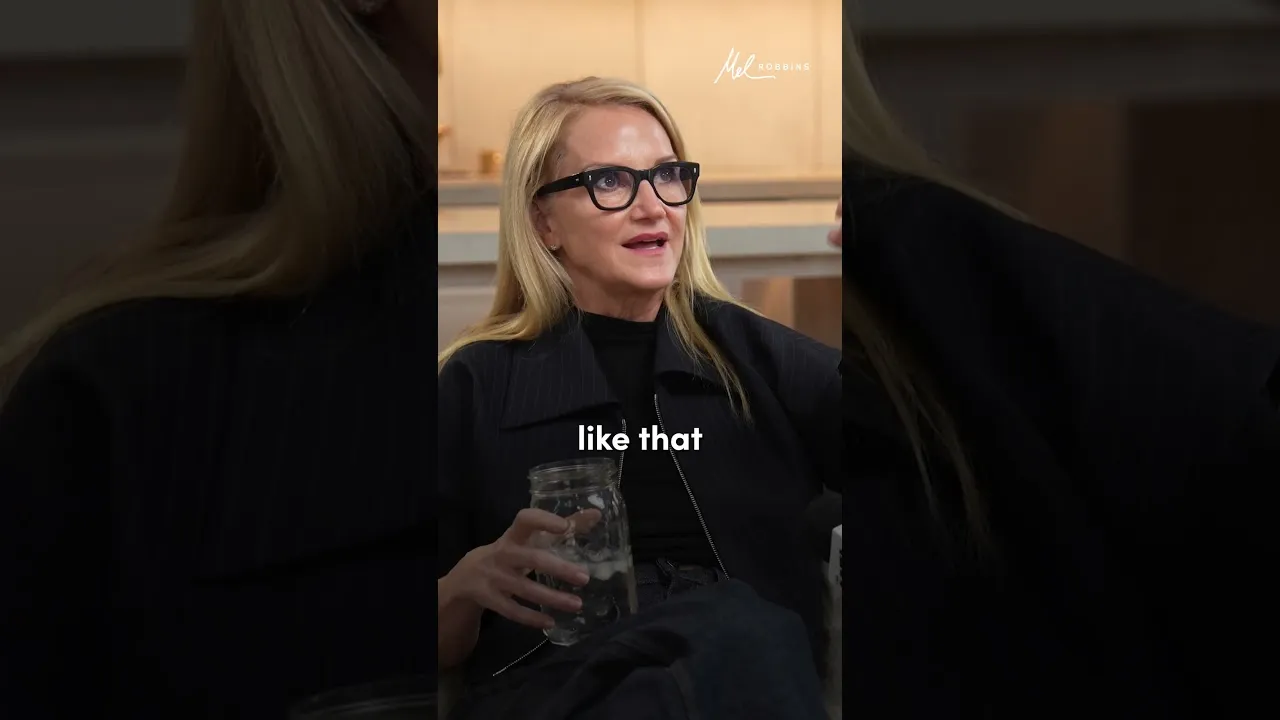
Mel Robbins, a motivational speaker and author, shared her experience with this. For years, her career required her to speak multiple times a week, often traveling with just a carry-on. She relied on a single, versatile outfit she could wear repeatedly, steam overnight, and wear again the next day.
This functional approach to dressing created a distinct identity for her as ‘Mel, the job, the speaker.’ While effective for her work, she realized this style represented an older version of herself. It was a functional identity tied to a past chapter.
Transforming Your Wardrobe, Transforming Yourself
By applying the method of intentional dressing for even a short period, Robbins began to see her closet differently. This shift allowed her to become more intentional about her clothing choices, recognizing when her attire didn’t feel true to herself.
Even on days when you feel unmotivated or down, you have the opportunity to reconnect with yourself through your clothing. Choosing an outfit that makes you feel good can be a way to find your strength again. This practice acknowledges that different outfits serve different needs throughout the day.
On challenging days, when being your best self feels exhausting, it’s okay to choose comfort. Wearing something soft and cozy shows self-compassion. This approach recognizes that your wardrobe can support you through various emotional states and daily demands.
Key Health Takeaways
- Assess Your Feelings: Regularly try on clothes to understand how they make you feel. Discard items that evoke negative emotions or represent a past self you’ve outgrown.
- Dress with Intention: Before getting dressed, identify how you want to feel that day and choose clothes that support that feeling.
- Release Guilt: Let go of expensive items you don’t wear. Keeping them out of guilt or a vague ‘maybe’ prevents you from moving forward.
- Embrace Self-Compassion: On difficult days, choose comfortable clothing that offers solace and support, acknowledging your needs.
- Align Wardrobe with Identity: Your clothing can reflect and reinforce who you are becoming, not just who you used to be.
This approach to your wardrobe is not just about fashion; it’s about mental well-being and personal growth. By curating your closet intentionally, you can create a more positive relationship with yourself and your daily life.
This information is relevant for anyone looking to declutter their personal space and improve their self-perception. It can be particularly helpful for individuals experiencing life transitions or those seeking to boost their confidence and sense of self.
Disclaimer: This article is for informational purposes only and does not constitute medical advice. Always consult with a qualified healthcare provider for any health concerns or before making any decisions related to your health or treatment.
Source: Stop Keeping Clothes From Your Old Life | Mel Robbins #Shorts (YouTube)