Anthropic’s Compute Woes Spark User Frustration
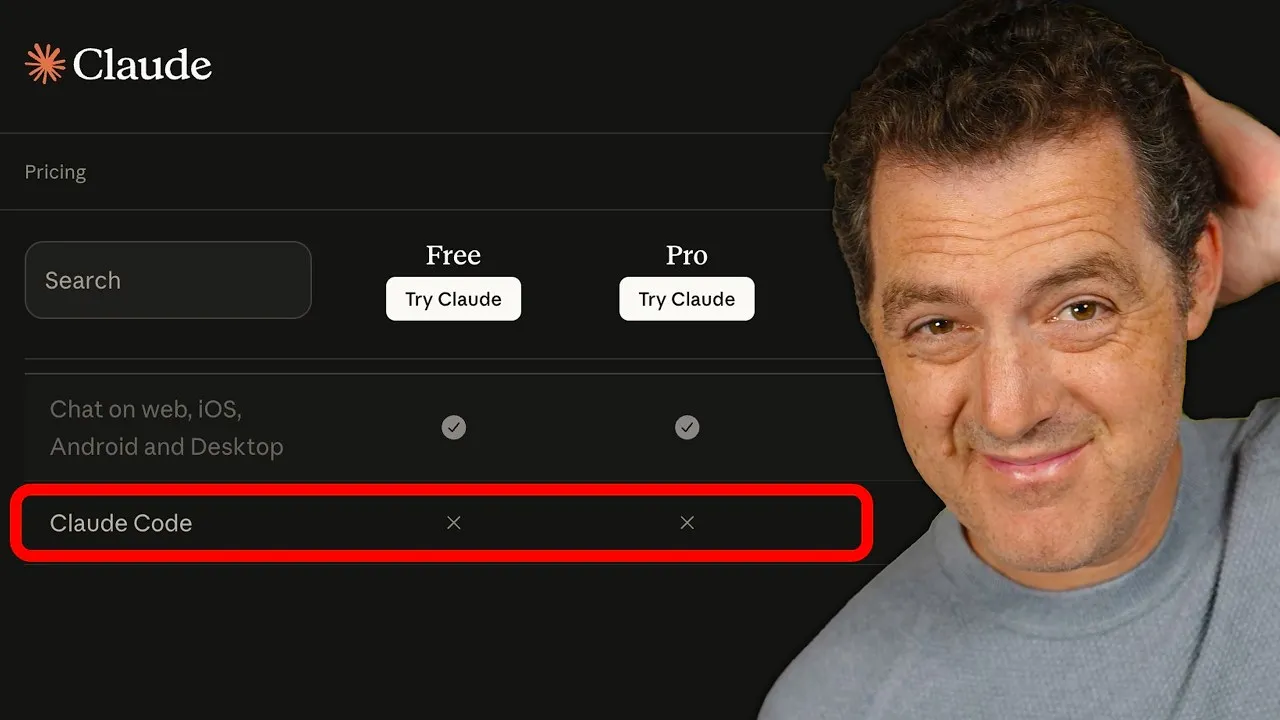
AI company Anthropic, known for its Claude models, is facing growing user dissatisfaction due to perceived communication issues and limitations on its subscription services. Recent changes, including the temporary removal of Claude Code from certain subscription tiers, have left many users confused and questioning their trust in the company.
Anthropic has long focused intently on developing advanced AI, particularly aiming for Artificial General Intelligence (AGI). Unlike competitors who explore various AI applications like image and video generation, Anthropic’s primary focus remains on enterprise solutions and coding assistance. This sharp focus has historically fueled a powerful business model, often referred to as a ‘flywheel,’ where advancements in one area directly benefit another.
The ‘Flywheel’ and Its Breakdown
The company’s successful strategy involved building a powerful coding model. This model then generated revenue by serving enterprise clients needing AI for coding tasks.
Crucially, this process also yielded vast amounts of valuable coding data. This data was then used to train even better coding models, creating a virtuous cycle of improvement and revenue generation.
However, this impressive ‘flywheel’ appears to be faltering, largely due to a miscalculation regarding computing power. The core of Anthropic’s operation relies on extensive ‘compute’ – the processing power needed to train and run its AI models. This compute is essential for serving current user demand and for developing future generations of AI.
The company’s leadership, including CEO Dario Amodei, reportedly decided against massive, upfront investments in computing infrastructure. This decision was based on a fear of overspending on compute if AI’s rapid growth trajectory slowed, potentially leading to bankruptcy. This cautious approach has now led to a critical shortage of compute power.
Compute Shortage Fuels Demand Issues
Anthropic’s current lack of sufficient compute means they are struggling to meet the increasing demand for their AI models. This shortfall is impacting users directly, leading to limitations on usage quotas and restrictions on advanced features. As Anthropic grapples with these internal issues, competitors like OpenAI are seen as stepping in to capture the unmet demand.
This situation has created a communication and public relations challenge for Anthropic. Users report confusing messages about service terms and usage policies, particularly concerning third-party tools that integrate with Claude. The company’s explanations have often been vague or contradictory, leaving users uncertain about what is permitted.
Confusion Over Third-Party Tool Usage
A significant point of contention involves the use of Anthropic’s Claude models with third-party applications, such as the popular agentic tool OpenClaw. When OpenClaw was acquired by OpenAI, Anthropic began issuing confusing directives about using Claude subscriptions with such tools. Initial statements suggested it was allowed, then implied it was not, and later offered complex clarifications involving specific SDKs.
This lack of clear communication has persisted for weeks, causing frustration among users who rely on these integrations for their workflows. The company’s statements on its website and public forums have often been inconsistent, making it difficult for users to understand and adhere to the terms of service.
Downtime and Service Reliability
Compounding the issue are reports of significant downtime across Anthropic’s services. While competitors like OpenAI boast high uptime percentages for their APIs and chat interfaces, Claude.ai and its associated platforms have shown considerably lower reliability. This inconsistent performance further erodes user confidence, especially when compared to the more stable services offered by rivals.
Anthropic initially attempted to manage demand with incentives, such as offering increased usage during off-peak hours. However, these measures were soon followed by stricter limits, including reduced session times during peak hours for free and pro subscribers. This shift from encouragement to restriction has been met with particular user frustration.
Targeting Advanced Users
The company’s recent actions suggest a move to restrict access to certain features for lower-tier subscribers. The temporary removal of Claude Code from free and pro plans, while later partially reversed, indicates a strategy to push users towards higher, more expensive subscription tiers like ‘Max.’ This is particularly irksome for users who feel they are paying for tokens but are being prevented from using them in specific, desired ways.
Anthropic has stated that its current subscription plans were not designed for the evolving usage patterns of long-running agentic tasks. The company is reportedly exploring new options to manage demand sustainably, but users are wary, citing past instances where policy changes were announced with little notice, contradicting promises of ample warning.
OpenAI Capitalizes on Anthropic’s Struggles
Meanwhile, OpenAI has actively highlighted Anthropic’s challenges. Their team has frequently announced usage limit resets and celebrated user milestones, often with subtle jabs at Anthropic’s policies. This public relations strategy aims to position OpenAI as a more reliable and user-friendly option, capturing the demand that Anthropic cannot currently meet.
The contrast between the companies’ approaches is stark. While Anthropic struggles with compute and communication, OpenAI appears to be embracing broader accessibility, even exploring ad-supported models for free users to make AI more widely available. This difference in philosophy, with OpenAI aiming for ‘AI for the world’ and Anthropic maintaining a more closed, enterprise-focused strategy, is becoming increasingly apparent to users.
Anthropic is expected to announce its long-term strategy for managing compute and user demand in the coming weeks.
Source: WTF is Anthropic doing??? (YouTube)