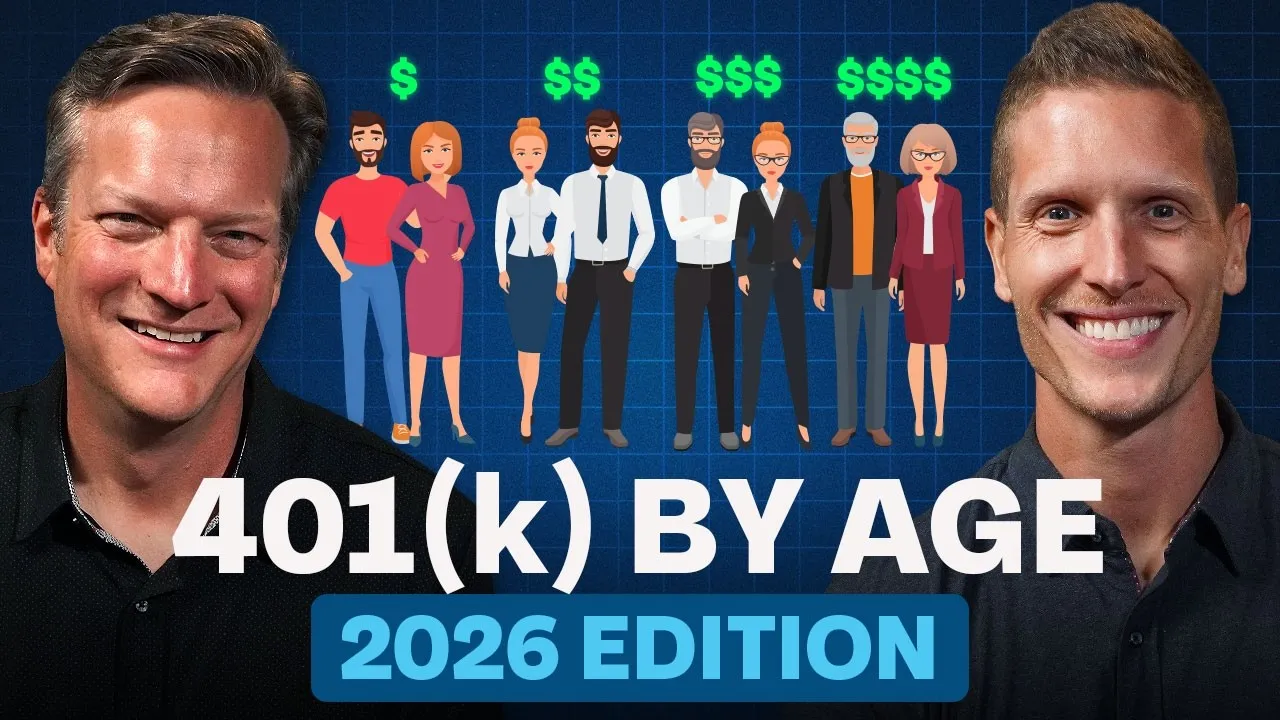
401(k) Balances Show Strong Growth for Young Workers
New data reveals that younger workers are building substantial savings in their 401(k) plans, offering a promising outlook for retirement readiness. The average 401(k) balance for individuals in their 20s has reached $17,000, a significant increase that signals early success in retirement saving strategies. This figure is part of a broader trend showing steady growth across all age groups, but the gains among younger savers are particularly noteworthy.
The analysis, based on projections for 2026, highlights the importance of starting retirement savings early. For those in their 20s, the average balance stands at $17,000, a figure that reflects consistent contributions and the power of compound growth over time. This early momentum can set a strong foundation for long-term financial security.
Retirement Savings by Age Group Revealed
As individuals progress through their careers, their 401(k) balances generally increase. Those in their 30s show an average balance of $61,000, a substantial jump from the previous decade. This growth suggests that many are increasing their contribution rates or benefiting from employer matches as their incomes rise.
By their 40s, the average 401(k) balance climbs to $134,000. This decade often represents a peak earning period for many, allowing for more aggressive saving. The data indicates a continued upward trend, though individual results can vary widely based on saving habits and investment performance.
For those in their 50s and beyond, the average 401(k) balance reaches $218,000. This is a critical time for retirement planning, as individuals approach their target retirement age. The substantial balances in this group reflect years of consistent saving and investment growth, but also highlight the need for careful management as retirement nears.
Why 401(k)s Are Key to Wealth Building
The 401(k) plan remains a cornerstone of retirement savings in the United States. These employer-sponsored plans offer tax advantages, allowing contributions to grow tax-deferred until withdrawal in retirement. Many employers also offer matching contributions, which is essentially free money that significantly boosts savings.
For instance, an employer match of 50% on the first 6% of an employee’s salary can add thousands of dollars to an account each year. This benefit, combined with potential investment gains, makes the 401(k) a powerful tool for accumulating wealth over a career. Understanding how to maximize these benefits is crucial for financial success.
Strategies for Different Life Stages
Financial experts Brian Preston and Bo Hanson emphasize a strategic approach to 401(k) savings tailored to each life stage. In their 20s, the focus should be on establishing a consistent saving habit, even if the amounts are small. Aiming to contribute enough to get the full employer match is a smart first step.
During the 30s, as incomes typically increase, it becomes important to boost contribution rates. Many financial advisors suggest aiming for a 15% savings rate, including employer contributions. This decade is also a good time to review investment allocations to ensure they align with long-term goals and risk tolerance.
In the 40s, the goal is to accelerate savings further and potentially catch up if behind. Reviewing investment performance and making adjustments can be beneficial.
For those in their 50s and 60s, the priority shifts to preserving capital and ensuring sufficient funds for retirement. This might involve gradually reducing investment risk.
Market Impact and Investor Considerations
The consistent growth in 401(k) balances across age groups suggests a positive trend in retirement preparedness. This data reflects the effectiveness of long-term saving strategies and the benefits of employer-sponsored retirement plans. For investors, it reinforces the value of consistent contributions and staying invested through market fluctuations.
Understanding these average balances can provide a benchmark, but individual circumstances vary greatly. Factors like income, employer match, investment choices, and market performance all play a role. It’s essential for individuals to track their own progress and adjust their strategies as needed.
The data also highlights the ongoing importance of financial education. Resources like wealth multiplier tools and comprehensive guides can help individuals make informed decisions about their retirement savings. The upcoming year is expected to see continued focus on retirement planning and wealth accumulation strategies.
Source: Average 401(k) Balance By Age (2026 Edition) (YouTube)