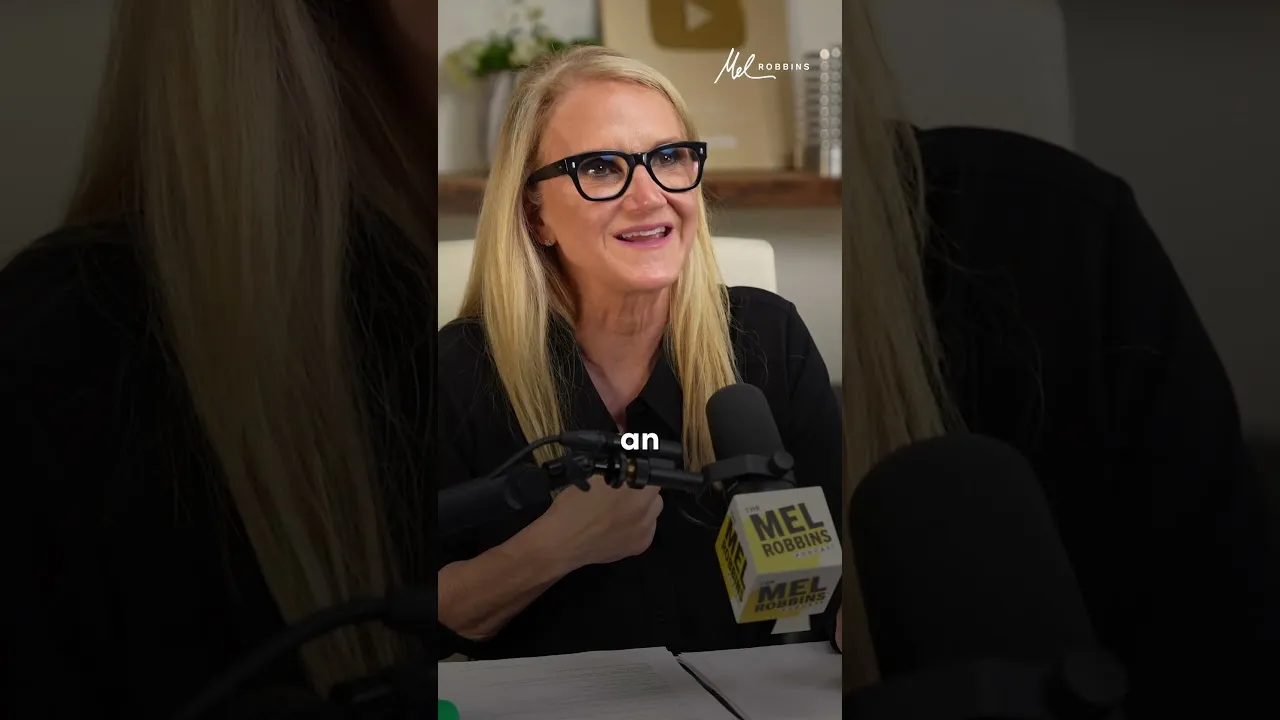
Unlock Your Goals: Discover the ‘Will and Way’ Method
Reaching any goal, whether it’s a personal project or a significant life change, hinges on two key elements: your ‘will’ and your ‘way’. This simple yet powerful framework, supported by research from the University of Oregon, can fundamentally change how you approach and achieve what you set out to do.
The first crucial component is your ‘will’, which can be understood as your ‘why’. This involves deeply understanding why a particular goal matters to you personally. When you connect with your intrinsic motivation, the drive that comes from within, your chances of success increase dramatically.
Finding Your ‘Why’: The Power of Intrinsic Motivation
According to research conducted by Dr. Elliot Burkeman, a professor and psychologist at the University of Oregon, identifying your ‘why’ taps into intrinsic motivation. This is the most potent form of motivation because it originates from your own personal values and desires, not from external pressures or rewards. It’s the personal meaning behind your goal that fuels your commitment.
Think about why you want to learn a new language, start a fitness routine, or advance in your career. When the reason resonates deeply with you, it provides a strong internal compass. This inner drive helps you push through challenges and stay focused on the desired outcome.
Building Your ‘Way’: The Path of Action
The second essential element is your ‘way’, which refers to the practical steps and actions you will take to achieve your goal. This is the ‘how’ – the concrete plan that guides your efforts. Without a clear path, even the strongest ‘why’ can lead to frustration and inaction.
Imagine your goal as a destination and the ‘way’ as a path made of individual bricks. Each brick represents a specific action you take, whether it’s a daily habit, a weekly task, or a monthly milestone. The consistent laying of these bricks, one by one, builds the path that leads you toward your objective.
Putting ‘Will’ and ‘Way’ Together
The research suggests that both the ‘will’ and the ‘way’ are indispensable for goal achievement. Your ‘will’ provides the essential motivation and purpose, ensuring that you are driven by something meaningful. Your ‘way’ provides the structure and actionable steps needed to make progress tangible.
For example, if your goal is to run a marathon, your ‘will’ might be the desire to improve your health and prove your resilience. Your ‘way’ would then involve a structured training plan: running three times a week, gradually increasing mileage, and focusing on nutrition. Both components are critical; a plan without purpose can feel empty, and a purpose without a plan can feel overwhelming.
Who Can Benefit?
This ‘will and way’ approach is applicable to anyone looking to achieve a goal, regardless of age or background. Whether you’re a student aiming for better grades, a professional seeking a promotion, or an individual wanting to adopt healthier habits, understanding these two components can enhance your success.
It’s particularly useful for individuals who struggle with motivation or procrastination. By clarifying the ‘why’ and breaking down the ‘how’ into manageable steps, you can overcome mental blocks and build momentum.
Key Health Takeaways
- Find Your ‘Why’: Clearly define the personal reasons behind your goals to tap into intrinsic motivation.
- Develop Your ‘Way’: Create a step-by-step action plan to guide your progress.
- Combine Both: Ensure you have both a strong personal motivation and a clear, actionable strategy.
- Start Small: Break down your ‘way’ into small, manageable actions that can be performed consistently.
- Be Persistent: Understand that progress is often built brick by brick, requiring patience and consistent effort.
This framework from Dr. Burkeman’s research offers a straightforward yet effective method for achieving your aspirations. By focusing on both your inner drive and your outward actions, you can build a clear path to success.
This information is for educational purposes and is not a substitute for professional medical advice. Always consult with your doctor or a qualified healthcare provider before making any decisions about your health or treatment.
Source: The only 2 things you need to reach any goal | Mel Robbins #Shorts (YouTube)