ADHD & Identity: How Hobbies Become Your Whole Personality
For individuals with Attention-Deficit/Hyperactivity Disorder (ADHD), the search for motivation and focus can often lead to a complex relationship with their own identity. A common pattern observed in the ADHD community is the tendency to adopt hobbies and interests so fully that they become central to one’s sense of self, sometimes to the detriment of genuine self-acceptance.
The “Class Clown” or the “Passionate Hobbyist”
This phenomenon often begins in childhood. As explained by Dr. William Dodson, a psychiatrist specializing in ADHD, individuals with ADHD may develop coping mechanisms that shape their identity. For instance, a child struggling to make friends might adopt the persona of the “class clown.” This strategy, while effective in gaining social acceptance in the short term, can lead to an identity built on external validation rather than core self-worth. As the transcript notes, “I remember when I was in the third grade, I had trouble making friends and stuff. So what I would do is put a pair of underwear on my head and I’d run around. I’d talk in funny accents and then the kids would like me. So you develop this identity. Oh, I’m the class clown.”
However, as individuals mature, the effectiveness of such childhood coping mechanisms can wane. The “class clown” persona might not translate well into adult social or professional settings. This can trigger a new phase of identity seeking, where the individual looks for something new to define themselves. The transcript elaborates, “And then as you grow up into as an adult, that kind of thing doesn’t really work when you’re like 43. So you have to do something else. So now we’re looking for a new identity.”
The Allure of the “Thing” That Solves Everything
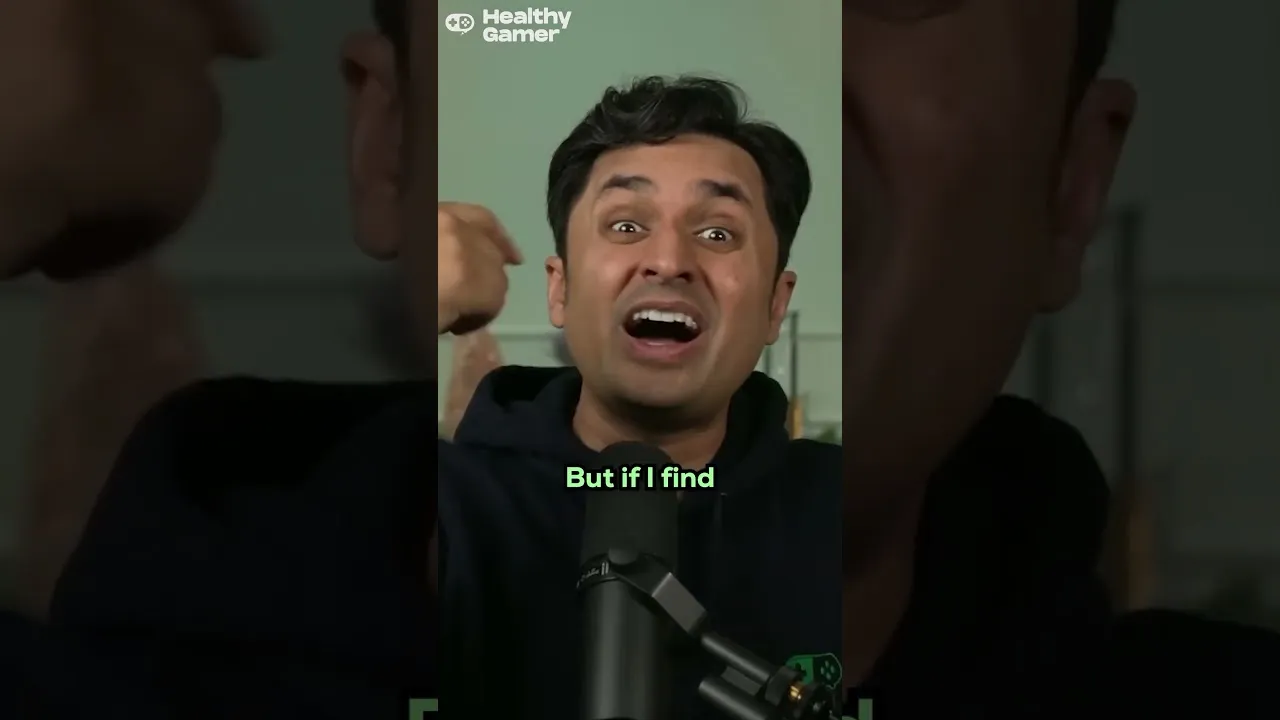
This search for a new identity often intersects with the pursuit of hobbies and intense interests, a common characteristic of ADHD. Individuals with ADHD might encounter a new hobby and see it not just as an activity, but as a potential solution to their persistent challenges with motivation, follow-through, and project completion. The transcript highlights this hopeful, yet often misguided, belief: “And we see a hobby and we see people who do, oh, I want to be that kind of person because if I find that kind of person, if this is my thing, then it’ll solve my motivational problems. It’ll solve my follow-through problems because I have all these problems of follow through and motivation and I leave things behind. But if I find my thing, there’s a thing out there that’ll fix all of those motivational problems for me.”
This intense desire stems from the emotional toll of consistently struggling with executive functions. The ADHD brain is particularly vulnerable to the emotional impact of feeling like one hasn’t found their niche or their “people.” This can lead to feelings of depression or inadequacy, further fueling the search for an identity that provides a sense of belonging and competence. The transcript describes this vulnerability: “The problem is that ADHD brain is vulnerable to this whole cycle. It’s vulnerable to the emotional impact of not having found your thing. You have this identity of being a little bit depressed, not having found your people.”
When a Hobby Becomes an Identity: The Risk of All-or-Nothing Adoption
When an individual with ADHD discovers a new interest that resonates deeply, there’s a powerful sense of excitement and hope. This is often amplified by the belief that this new pursuit might be the key to overcoming their ADHD-related struggles. The transcript captures this fervor: “When we get excited, we’re we’re like, ‘Oh my god, this is the thing. This is the thing. This is the thing.’ We’ve looked for the thing for so long, so we’re hungry for the thing and we find it. We hope it’s the thing. And then there’s the allure that if this is the thing, then it’ll solve my ADHD problems.”
The danger lies in the tendency to adopt this new interest wholesale, integrating it so completely into one’s identity that it overshadows other aspects of the self. Instead of being a fulfilling hobby, it becomes the defining characteristic. The transcript warns, “this thing will be different and so we want to adopt it whole scale. We want to make it our personality. It becomes our identity. Does not become a hobby. It becomes an identity.” This all-or-nothing approach can be problematic because it leaves individuals vulnerable. If the interest wanes, or if they encounter difficulties within that pursuit, the collapse of this identity can be devastating, potentially leading back to feelings of failure and a renewed, often more intense, search for the next defining “thing.”
Navigating Identity with ADHD
Understanding this pattern is crucial for individuals with ADHD. While passion and deep interests are valuable aspects of the ADHD experience, building an identity solely around a hobby can create fragility. It’s important to foster a sense of self that is resilient and multifaceted, not dependent on a single interest for validation or problem-solving. Cultivating self-compassion and recognizing that ADHD involves a different way of processing and functioning, rather than a personal failing, can help shift the focus from finding a magical “fix” to accepting and managing ADHD traits with greater ease.
Key Health Takeaways
- Individuals with ADHD may develop identities based on coping mechanisms or intense hobbies.
- The search for a defining hobby can be driven by a desire to solve ADHD-related challenges like motivation and follow-through.
- Adopting a hobby as one’s entire identity can lead to vulnerability if the interest fades or proves challenging.
- It is important to build a resilient, multifaceted sense of self that is not solely dependent on a single interest.
- Cultivating self-compassion and acceptance of ADHD traits is key to healthier identity development.
This article is based on insights discussed in relation to ADHD and identity, drawing from perspectives like those of Dr. William Dodson. It is intended for informational purposes and does not constitute medical advice. Always consult with a qualified healthcare professional for any health concerns or before making any decisions related to your health or treatment.
Source: ADHD & Identity Problems (YouTube)