AI Agent Automates Software Testing Effortlessly
The landscape of software development is undergoing a seismic shift, driven by advancements in AI that are streamlining previously tedious and complex processes. One such area ripe for disruption is software testing, a critical but often time-consuming phase in bringing applications and websites to market. Now, a new AI-powered agent, KAI, promises to revolutionize this domain by enabling users to define and execute tests using simple, plain English commands.
The Challenge of Software Testing
Traditionally, ensuring software quality involves either manual testing, a labor-intensive process, or writing intricate code for automated tests. Both approaches present significant hurdles: manual testing is slow and prone to human error, while automated testing requires specialized coding skills and considerable development time. For developers and businesses, especially those operating at high velocity, this bottleneck can impede progress and increase costs.
Introducing KAI: Your AI Testing Partner
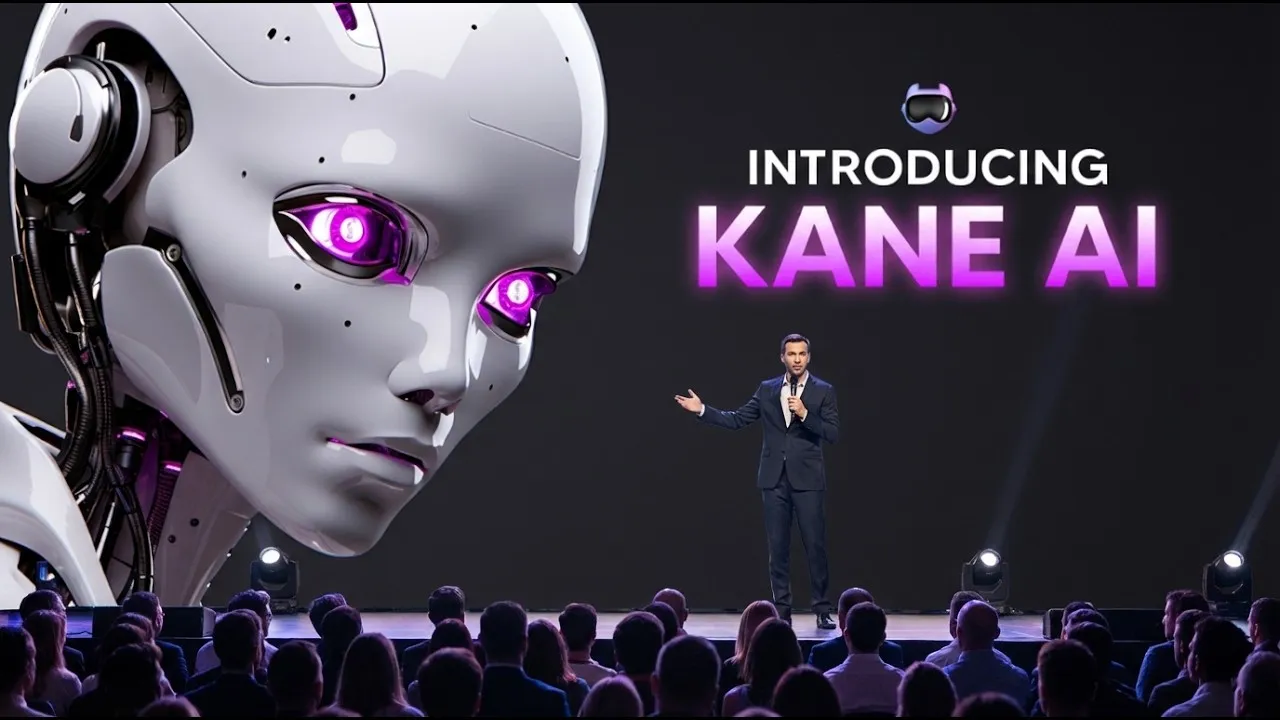
KAI aims to eliminate these challenges by acting as an intelligent AI agent capable of understanding and executing test cases based on natural language instructions. Instead of crafting complex scripts, users can simply describe what they want to test, much like communicating with a colleague. KAI then translates these descriptions into automated tests that can run across web and mobile platforms.
From Requirements to Tests in Minutes
A key differentiator for KAI is its ability to generate test cases from a wide array of inputs. This includes traditional documentation like Jira tickets, product requirement documents (PRDs) in PDF format, or spreadsheets containing user stories. Remarkably, KAI can also analyze less conventional inputs such as images, audio, and video to derive structured test scenarios. This versatility means that teams can feed KAI their existing project documentation, and the AI will automatically generate comprehensive test suites, saving countless hours of manual effort.
Natural Language Test Authoring
Beyond processing existing documents, KAI offers an intuitive natural language test authoring feature. Users can type commands like “Go to the login page, enter the email, and then enter this password, click the login button, and verify that the dashboard appears.” KAI interprets these instructions, interacts with the application, and records the steps as structured tests. This capability is particularly impactful for complex scenarios involving conditional logic. For instance, a user can instruct KAI: “If the cart total is over $100, verify that the free shipping badge appears. Otherwise, check that shipping costs are displayed.” This level of sophisticated conditional testing, previously requiring dedicated coding, is now accessible through simple English commands.
Intelligent API Testing
KAI extends its capabilities to backend systems by offering intelligent API testing. For applications that rely heavily on APIs, KAI can understand API contracts, process requests, and validate responses. It automatically generates meaningful assertions, checking for correct status codes, response formatting, and expected data fields. This ensures that the underlying infrastructure powering applications is robust and functions as intended, which is crucial for developers building AI agents, SaaS tools, or any product dependent on API calls.
Futuristic Features: Auto Bug Detection and Self-Healing Tests
What truly sets KAI apart are its advanced AI-native features. The agent incorporates auto bug detection, where it can identify when a test is failing due to an unexpected issue. For example, if KAI encounters a broken link or a page that fails to load after multiple attempts, it will flag it as a regression issue, alerting the user to the problem without manual intervention.
Complementing this is KAI’s auto-healing capability for tests. In dynamic application environments where UI elements frequently change (e.g., button colors, positions, or names), traditional automated tests often break. KAI, however, leverages the natural language intent behind the tests. If a button is moved or renamed, KAI can still locate and interact with it based on its original description, such as “click the submit button.” This self-healing mechanism ensures that test suites remain functional even as the application evolves, saving significant time and effort in test maintenance.
Why This Matters
KAI represents a significant leap forward in making software development more accessible and efficient. By abstracting the complexity of test creation and maintenance, it empowers a wider range of individuals, from solo developers and startup teams to large enterprises, to implement rigorous testing protocols. The ability to generate tests from existing documentation, author them in plain English, and have them automatically adapt to UI changes dramatically reduces the time and resources spent on quality assurance. This not only accelerates development cycles but also leads to more stable and reliable software products for end-users.
Availability
KAI is positioned as a tool for developers and teams of all sizes looking to streamline their testing processes. While specific pricing tiers were not detailed in the provided information, the platform is available for users to explore. Interested parties can find a link in the description of the original video to sign up and gain access to the KAI agent.
Source: Every Vibe Coder Needs This AI Agent – Kane AI Testing Agent (YouTube)