AI Backlash Ignites Violence: Data Center Shooting Shocks Nation
A disturbing incident in Indianapolis has brought the growing anger towards artificial intelligence into sharp, violent focus. A city council member’s home was shot at after he supported a controversial data center project, with a note reading “No data centers” left at the scene. This event marks a chilling escalation, highlighting the deep divisions and anxieties surrounding AI development.
Councilman Ron Gibson was unharmed when 13 rounds were fired into his home. The attack, which occurred just days after Gibson backed a rezoning measure allowing a large data center to be built, has sent shockwaves through the community. Local groups had previously voiced concerns about the project, citing environmental issues and neighborhood impact.
The incident raises serious questions about the safety of those involved in AI infrastructure projects. It suggests that supporters of AI data centers may now face real threats of violence. While violence is never the answer, the public reaction seen in online comments has been equally alarming.
Public Reaction Fuels Concern
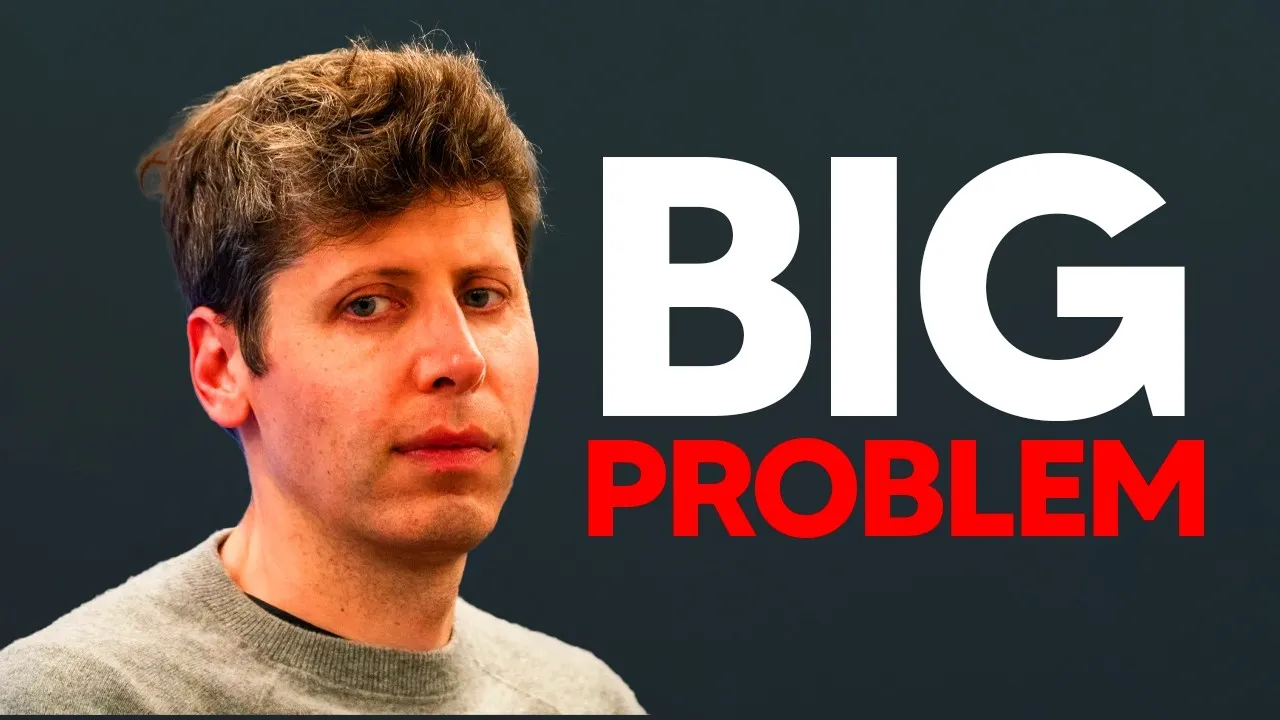
Following the news of the shooting, online comments revealed a disturbing level of support for the act. Some users expressed approval, with one person stating, “I love a feelgood story on the news such as this.” Another comment read, “Personally speaking, I’m not mad at anyone that goes and does that.” Most concerning were comments suggesting that prominent AI figures, like OpenAI CEO Sam Altman, should be targeted instead of local officials.
This sentiment echoes earlier predictions that AI leaders might face increased risks. “AI CEOs are disappearing because they know what’s coming,” was a previous observation, suggesting a need for AI executives to maintain a low public profile amidst growing public animosity. The current situation, with calls for violence against those associated with AI, demonstrates that the AI backlash has indeed reached a dangerous new level.
Beyond the Bubble: A Wider Disconnect
Many in the tech industry, particularly those deeply involved with AI, may underestimate the public’s negative perception. “I think a lot of tech people fail to realize the broader sentiment around technology right now,” noted one observer. While AI enthusiasts within their communities often express excitement about the technology, a significant portion of the general public holds a very different view.
This disconnect is becoming increasingly apparent. Surveys suggest that negative perceptions of AI are now comparable to those of highly controversial topics. This widespread distrust could hinder the adoption of AI technologies, regardless of their potential benefits. As one comment put it, “If we can’t get and coexist with AI, this entire field, this entire thing is not going to work.”
Economic Fears and Environmental Concerns Drive Opposition
The backlash is fueled by several factors, including fears of job displacement and environmental impact. A previous comment highlighted this anxiety: “They’re hiding because of all the people that will be displaced by AI and what they’ll do.” This fear is compounded by concerns over the energy consumption of AI data centers.
Rising electricity prices are increasingly being blamed on data centers, leading to local opposition and the cancellation of proposed projects. Around 40% of data centers facing strong local opposition are ultimately shut down. This trend raises questions about the future scalability of AI, potentially leading to compute shortages and higher costs.
Environmental concerns also play a role. For instance, Amazon faced allegations of harming farmland with water used to cool its data centers. The company agreed to pay $20.5 million to settle these claims. Such issues contribute to the perception that AI development is not being managed responsibly.
Calls for Responsible Development and Public Engagement
In response to these growing concerns, organizations like OpenAI are proposing steps to address the societal disruption AI may cause. They have outlined a plan to tackle issues related to AI’s impact, emphasizing the need for proactive solutions. “We need to draft up a solution,” stated OpenAI, recognizing the urgency.
Tech leaders are urged to engage more actively with the public and policymakers. “If tech leaders don’t organize and get America on their side, the situation on the ground… will get worse before it gets better,” warned one commentator, highlighting the potential economic consequences if AI is not embraced.
The frustration directed at new technologies, like delivery robots, also offers insights. These robots, occupying public spaces without contributing to their upkeep and appearing in areas with already strained gig workforces, become visible targets for broader societal anxieties. “The robots are an easy, visible, low consequence target for frustration that has nowhere else to go,” explained one perspective.
Ultimately, the incident in Indianapolis serves as a stark warning. The growing animosity towards AI, fueled by economic fears, environmental concerns, and a perceived lack of responsible deployment, is creating a volatile environment. Addressing this backlash requires more than just technological advancement; it demands open dialogue, responsible implementation, and a genuine effort to build public trust.
Source: The War Against AI Has Just Begun (YouTube)