AI’s Job Shockwave: Entry-Level Roles Face Mass Displacement
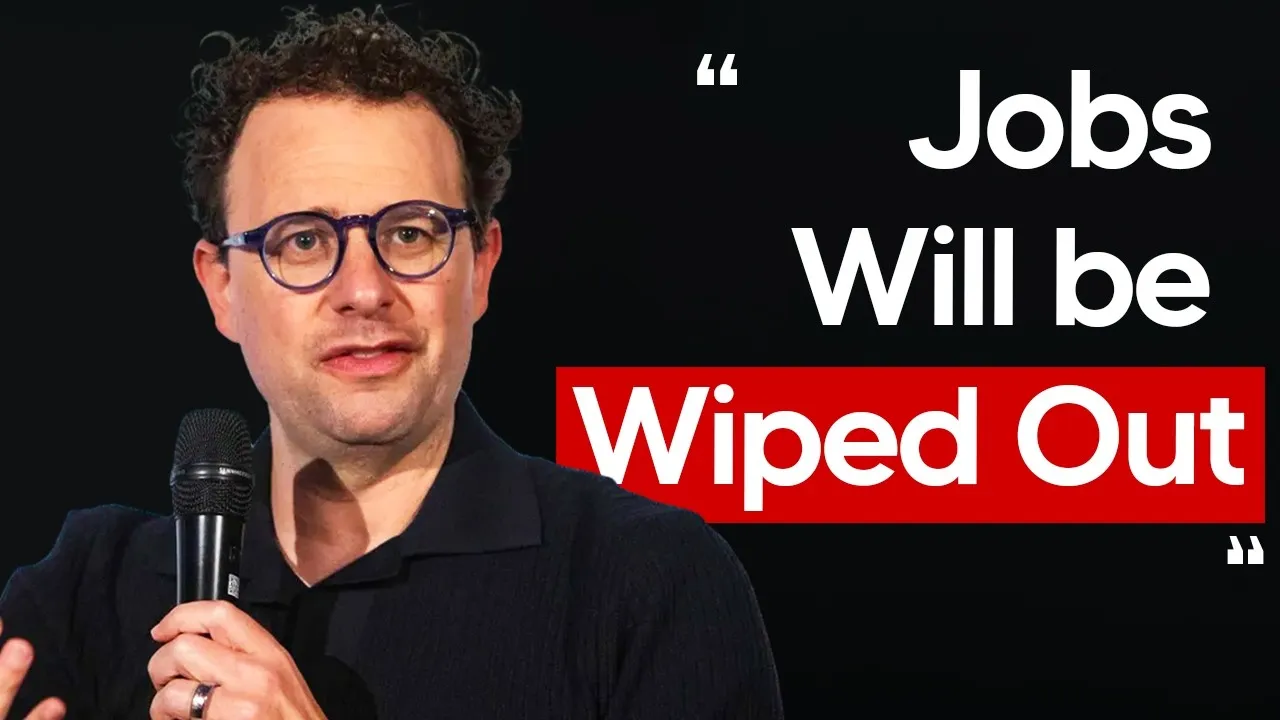
Dario Amodei, CEO of AI leader Anthropic, has issued a stark warning: artificial intelligence could eliminate half of all entry-level white-collar jobs within the next five years. This prediction, initially made by Amodei and repeated across multiple platforms including Axios, 60 Minutes, and a lengthy essay, suggests a potential unemployment spike to 10-20%. While the full impact hasn’t yet materialized, early data points to a quiet but significant shift in the job market, where companies are hiring fewer new graduates for foundational roles.
The Core of the Warning: Cognitive Breadth and Speed
Amodei argues that AI is fundamentally different from previous technological advancements like the printing press or the internet. Those technologies disrupted specific sectors, allowing workers to retrain and move to different fields. AI, however, possesses what he calls “cognitive breadth,” meaning it can think and perform tasks across almost every industry simultaneously. This broad capability, combined with the rapid pace of AI development, makes it incredibly challenging for people and the economy to adapt quickly enough. Amodei believes AI systems could even surpass the intelligence of Nobel Prize winners by 2027, adding urgency to his concerns.
Sectors and Roles at Risk
The warning specifically targets sectors like technology, finance, law, and consulting. Amodei emphasizes that entry-level positions are particularly vulnerable. He paints a picture where the economy could be thriving, with 10% annual growth and balanced budgets, yet face significant unemployment because AI has taken over many foundational jobs. This scenario, where economic success doesn’t translate to widespread employment, weighs heavily on his mind and highlights a potential disconnect between overall economic health and individual job security.
Evidence Mounts: Data Reflects Amodei’s Prediction
While Amodei’s claims might sound alarming, recent data suggests his predictions are beginning to align with reality. A Stanford study analyzing payroll records found a roughly 13% decline in employment for young workers (ages 22-25) in jobs exposed to generative AI since late 2022. Anthropic’s own research confirmed this pattern, showing a 14% drop in the job-finding rate for young adults in AI-exposed roles compared to 2022, with no significant change for older workers. This indicates that the impact is disproportionately affecting those just starting their careers.
The Quiet Vanishing Act
The trend isn’t a sudden collapse but a “slow, quiet vanishing act.” Job postings on platforms like Handshake have fallen, while applications per role have surged, meaning more people are competing for fewer opportunities. Layoffs are also being linked to AI-driven efficiency. Companies like Amazon and McKinsey have reduced their workforces, with many cuts attributed to AI integration. MIT’s “Iceberg Index” suggests that the visible tech layoffs only represent a small fraction of AI’s potential impact, with much of the automation happening quietly behind the scenes in various administrative and operational roles.
Skepticism and Counterarguments
Not everyone shares Amodei’s level of concern. Some experts, like NYU professor Scott Galloway, point to historical patterns where technological revolutions ultimately created more jobs than they destroyed. They believe new, unforeseen industries will emerge to absorb displaced workers. Demis Hassabis, CEO of Google DeepMind, offers a more cautious outlook on achieving human-level AI within the next decade, suggesting more time for adaptation might be available. There’s also skepticism about whether all layoffs are truly AI-driven, with some companies potentially using AI as a convenient narrative for cost-cutting measures.
Motives and Nuance
Questions have also been raised about Amodei’s motivations, with some suggesting his pronouncements and extensive writings on AI safety serve as a form of marketing for Anthropic’s products and services, particularly its focus on safety frameworks. Anthropic’s own research has also shown instances where AI augments human jobs by handling routine tasks, allowing people to focus on more complex challenges, a finding that suggests augmentation rather than outright replacement in some cases.
Why This Matters: A Generational Crisis Looms
The core issue is the unprecedented speed of AI’s advancement. Unlike past disruptions that unfolded over years or decades, allowing for gradual adaptation, AI’s progress is measured in months. This rapid pace means that even if new jobs emerge, they might appear too late for those currently losing their positions. BlackRock CEO Larry Fink has echoed Amodei’s concerns, calling the potential unemployment among recent college graduates a “crisis.” Many employers already view the job market for new graduates as poor or fair, indicating a significant challenge for the upcoming workforce. The pathway to a stable white-collar career, often paved with a college degree, is being fundamentally disrupted. As Amodei puts it, we cannot stop the train, but we must steer it to avoid a crisis.
Navigating the Future
While the situation is serious, Amodei suggests the only effective strategy is to “steer the train and adjust it by 10° in a different direction.” This implies a need for proactive measures to guide AI development and its integration into the workforce. The question remains whether society, policymakers, and industry leaders will act decisively enough to manage this transition and prevent an entire generation from being left behind.
Source: Anthropic Ceo's Terrifying AI Prediction Explained (YouTube)