AI Tool Creates First Personalized Cancer Vaccine for Dog
A tech entrepreneur without a medical background has used artificial intelligence to design a custom cancer treatment for his dog, Rosie. The results have stunned observers: Rosie’s aggressive mast cell cancer tumors shrank by 75% within a month of receiving the experimental vaccine. This breakthrough marks a significant moment, suggesting AI’s potential to revolutionize personalized medicine.
Paul, a machine learning consultant based in Sydney, Australia, faced a grim prognosis for his rescue dog, Rosie. After conventional treatments like surgery, chemotherapy, and immunotherapy failed to stop Rosie’s aggressive cancer, vets gave her only one to six months to live. Instead of accepting this, Paul, who has 17 years of experience in AI and data, decided to use his skills to create a novel treatment.
From Data Engineer to Dog Oncologist
Paul approached Rosie’s cancer not as a medical problem, but as a data issue. He viewed cancer as “bad data” in DNA, specifically mutations or errors in genetic code. His goal was to identify these errors and find a way to fix them.
He began by using ChatGPT as a research assistant. He asked it about treatment options and personalized cancer therapies. ChatGPT pointed him towards personalized immunotherapy, a method that creates treatments tailored to an individual’s specific cancer cells.
“Instead of using a one-size-fits-all drug… you study the specific cancer in your specific patient,” Paul explained. This approach is like using a guided missile instead of carpet bombing; it targets only the cancerous cells, minimizing harm to healthy ones.
The AI-Powered Treatment Pipeline
Paul’s AI-driven plan involved several key steps:
- Step 1: Data Collection & DNA Sequencing: Paul sent samples of Rosie’s tumor and healthy cells to a genomics university. DNA sequencing, which involves reading the genetic code, identified the specific mutations – or “typos” – in the cancer cells compared to healthy ones. This process cost about $3,000.
- Step 2: Understanding Mutations with AlphaFold: For this step, Paul used AlphaFold, an AI tool from Google DeepMind. AlphaFold predicts the 3D shape of proteins based on their genetic sequence. Proteins’ shapes determine their function, so understanding the shape of mutated proteins was crucial. Paul used AlphaFold to create “mugshots” of these mutated proteins, which appeared like “flags” on the cancer cells.
- Step 3: Selecting the Best Target: Not all mutations are equally useful for a vaccine. Paul used his own machine learning algorithms to analyze the mutated proteins. He identified the ones most likely to be visible “flags” on the cancer cells, signaling to the immune system that they didn’t belong.
- Step 4: Designing the Vaccine Formula: After analyzing the data, Paul created a short mRNA sequence. This sequence acts like a recipe, instructing the body’s cells to produce a piece of the mutated protein found on Rosie’s cancer cells.
From Digital Formula to Physical Vaccine
mRNA vaccines, similar to some COVID-19 vaccines, work by teaching the immune system to recognize and attack specific targets. In Rosie’s case, the mRNA vaccine would create a “wanted poster” for the mutated proteins, prompting her immune system to hunt down and destroy the cancer cells carrying them.
Paul then sent his digital vaccine formula to Professor Paul Thorda at the UNSW RNA Institute. The institute, equipped with the necessary technology, turned Paul’s half-page genetic code into a physical vaccine in less than two months – a stark contrast to the years traditional drug development takes.
Navigating Ethics and Administration
Before Rosie could receive the vaccine, Paul had to navigate complex ethical and animal welfare regulations. This process took about three months. He eventually secured approval through connections with the K9 Cancer Alliance and the University of Queensland.
Paul’s dedication was further highlighted when he drove 10 hours with Rosie to get her the injection. In December 2025, Rosie received her first dose.
Staggering Results and Future Implications
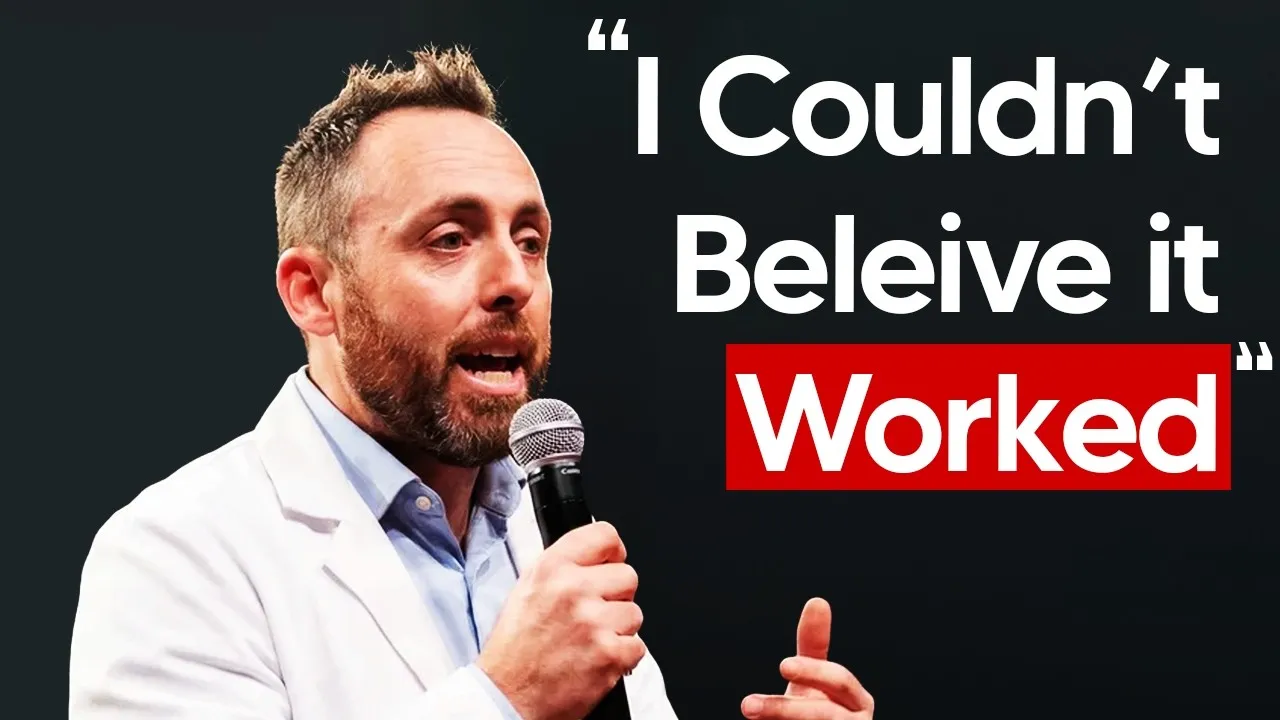
Within a month, the main tumor on Rosie’s leg had shrunk by an estimated 75%. An associate professor observing the results reportedly exclaimed, “It was like, holy crap, it worked.” This marked the first time a personalized cancer vaccine had been designed for a dog.
Six weeks after the first treatment, Rosie was energetically chasing rabbits, a dramatic improvement from her previous lethargic state. While Paul acknowledges this isn’t a complete cure – one tumor didn’t respond, and cancer isn’t entirely gone – Rosie has gained significant time and a much better quality of life.
Why This Matters
Paul’s achievement demonstrates the power of accessible AI tools like ChatGPT and AlphaFold. These tools, combined with technical skills and a $3,000 investment in sequencing, allowed a non-medical professional to contribute to cutting-edge research. This approach mirrors the multi-billion-dollar efforts by major pharmaceutical companies like Moderna and Merck, who are developing personalized mRNA cancer vaccines for humans.
However, the story also sparks debate. While the science is promising, experts caution that a single dog’s positive response is not enough to prove safety and efficacy. Rigorous, large-scale, randomized controlled studies are still needed, a process that is lengthy and expensive. The case highlights a tension between the rapid potential of AI-driven discovery and the established, cautious pace of medical regulation and institutional science.
Paul’s work with Rosie is a powerful example of how AI can accelerate medical research, potentially democratizing access to advanced treatments and offering new hope for patients, both human and animal.
Source: How A Man Used ChatGPT to Cure His Dog’s Cancer… (YouTube)