AI Hype vs. Reality: Navigating the AI Revolution
Artificial Intelligence (AI) is reshaping our world, from how we work to how we live. Understanding AI is no longer just for tech experts. A new course aims to demystify AI, cutting through the hype to offer a realistic view of its capabilities and potential.
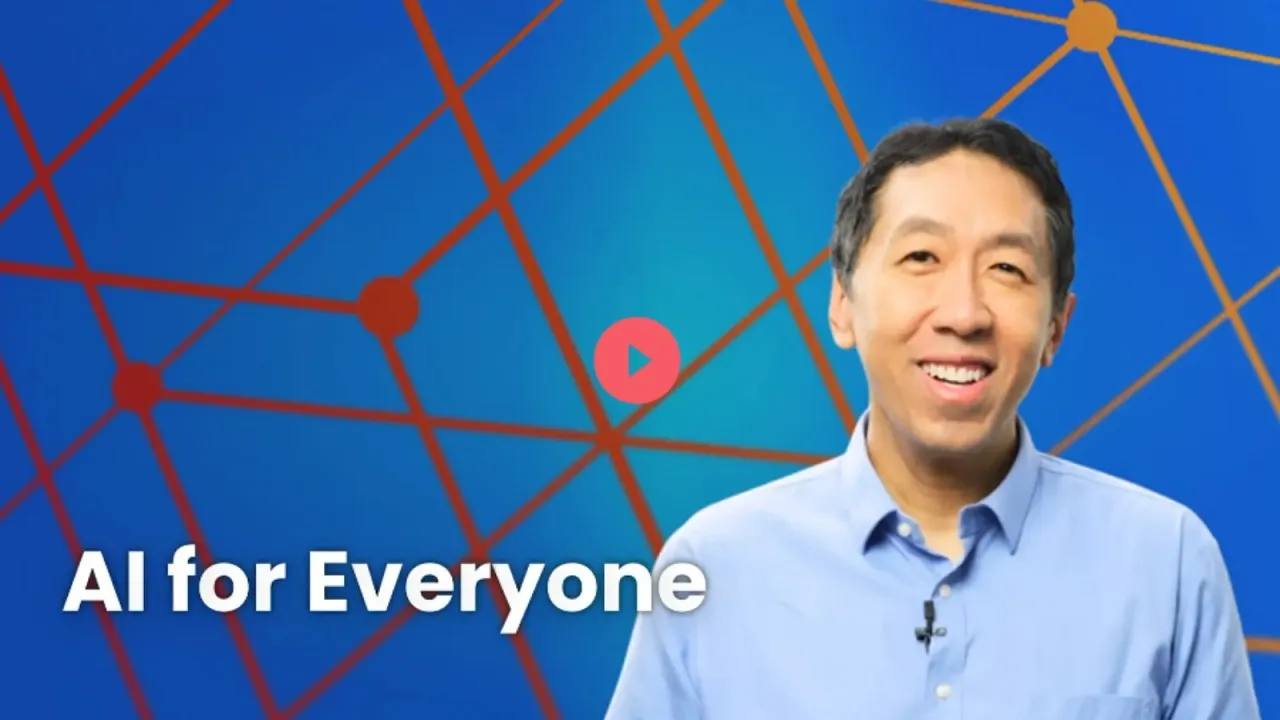
The course, led by AI expert Andrew Ng, promises to equip anyone with the knowledge to understand AI buzzwords, explore using AI personally or professionally, and grasp its societal impact. It focuses on what AI can and cannot do, helping individuals and organizations navigate this rapidly changing technological landscape.
Understanding Artificial Narrow Intelligence (ANI)
Much of the current excitement and progress in AI stems from Artificial Narrow Intelligence, or ANI. These are AI systems designed for one specific task. Think of smart speakers that play music or answer questions, or the AI powering self-driving cars and web search engines.
ANI systems are often described as “one-trick ponies.” While they excel at their designated task, they cannot perform outside of it. For example, an AI designed for farming cannot suddenly start driving a car. However, when applied to the right problem, ANI can be incredibly valuable.
The Myth of Artificial General Intelligence (AGI)
Alongside ANI, there’s the concept of Artificial General Intelligence, or AGI. This is the ambitious goal of creating AI that can perform any intellectual task a human can, or even surpass human intelligence. While AGI is a fascinating research goal, the course emphasizes that significant progress in this area is still far off.
Ng clarifies that nearly all current AI advancements are in ANI. He notes that there’s very little progress toward AGI, which may be decades, centuries, or even thousands of years away. The course aims to alleviate fears of imminent AI takeover by distinguishing between the progress in ANI and the distant prospect of AGI.
AI’s Economic Impact
The economic potential of AI is immense. A study by the McKinsey Global Institute estimates that AI could create an additional 13 trillion US dollars in value annually by the year 2030. While the software industry is already seeing significant benefits, the greatest value creation is expected in sectors beyond software.
Industries like retail, travel, transportation, automotive, materials, and manufacturing are all poised for major transformation. Ng suggests it’s hard to find an industry that AI won’t significantly impact in the coming years. Even seemingly complex human tasks, like hairdressing, could eventually be influenced by AI and robotics, though the humor highlights the current limitations.
Beyond Success Stories: Learning from Failures
News and research often highlight AI’s successes, creating a perception that AI is always effective. However, the course stresses the importance of understanding AI’s limitations and failures. By examining both successes and failures, individuals can form a more realistic judgment about where and how to apply AI technologies.
This balanced perspective is crucial for making informed decisions about AI projects, ensuring technical feasibility and genuine value for businesses or organizations.
Deep Learning and Neural Networks
A key driver behind recent AI progress is deep learning, often referred to as neural networks. These are complex systems inspired by the structure of the human brain. While a deep dive into the technicalities is optional, understanding the basics of deep learning helps explain how AI excels at many narrow tasks.
The course will offer an intuitive explanation of deep learning, clarifying its capabilities, particularly for ANI applications. This knowledge helps users better comprehend what current AI can achieve.
A Four-Week Journey into AI
The comprehensive course is structured over four weeks:
- Week 1: Understanding AI: Focuses on defining AI, machine learning, and data. It explores what makes a company “AI-first” and the capabilities and limitations of machine learning, including deep learning.
- Week 2: Building AI Projects: Teaches how to approach AI projects, select feasible and valuable ideas, and understand the practicalities of development.
- Week 3: Implementing AI in Companies: Provides a playbook for integrating AI into organizations, including building AI teams and developing complex AI products.
- Week 4: Societal Impact of AI: Addresses critical issues like AI bias, its effects on developing economies, and the impact on jobs, offering guidance on navigating these changes.
By the end of this course, participants are expected to possess a deeper understanding of AI technology than many corporate leaders. The goal is to empower individuals to provide leadership and guide their organizations through the ongoing AI transformation.
What is Machine Learning?
The course will next delve into machine learning, a core technology driving many AI advancements. Understanding machine learning is key to grasping how AI systems learn from data and improve over time.
Source: AI for Everyone by Andrew Ng (YouTube)