AI Scammer Mimics YouTuber, Pushes 952% APY Crypto Scam
A sophisticated cryptocurrency scam is leveraging advanced artificial intelligence to impersonate online personalities, tricking viewers into pursuing fraudulent investment opportunities. In a recent instance, a popular YouTube content creator discovered their likeness and voice being used to promote a dubious crypto token promising an astonishing 952% Annual Percentage Yield (APY).
The scam involves AI-generated videos that meticulously replicate the creator’s appearance and vocal cadence. While the visual elements, such as the background and lip-syncing, are created using AI, the core of the impersonation lies in the convincing audio mimicry. These fabricated videos present unrealistic high-yield investment schemes, urging viewers to click on malicious links that lead to spoofed cryptocurrency exchange platforms.
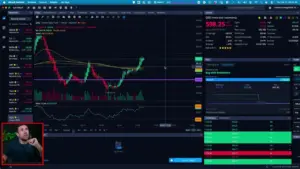
“Someone out there, one of you has been using my likeness to promote cryptocurrency scams on YouTube. And I will not stand for it,” stated the targeted content creator, highlighting the dual motivation of protecting viewers from financial loss and combating the deceptive nature of the scam. The fabricated videos often feature the creator in various mock scenarios, such as DJing or in front of a generic home setup, a stark contrast to the creator’s actual, more elaborate multi-monitor workstation displaying AMC stock data.
Unrealistic Returns and Deceptive Tactics
The core of the fraudulent promotion centers on an advertised APY of up to 952%. One example script featured in the scam stated, “Today, I’m diving into a high yield crypto opportunity that’s been turning heads lately. I’ve been exploring a promising token project that’s currently offering up to 952% APY. Yeah, just a cheeky 952% return. Uh, no risk, guys, involved with this.” This is often followed by a subtle, almost imperceptible audio slip-up or a disclaimer that underscores the implausibility of such returns.
To further legitimize the scam, the perpetrators use real footage of the creator from their existing content, seamlessly integrating it with AI-generated elements. The scam directs users to click on a link embedded in the video description, which leads to a website designed to mimic legitimate cryptocurrency exchanges like SushiSwap. The comments section is typically flooded with bot-generated testimonials, praising the creator and the supposed investment opportunity.
“The whole thing is a tutorial trying to get you to click the link in the description and connect to your crypto wallet, which uh I assume they just take your money if you do that,” the creator explained. The scam also extends to various actual cryptocurrency projects, aiming to lend an air of credibility to the fraudulent scheme.
The Growing Threat of AI-Powered Scams
This incident is not an isolated case. The use of AI for impersonation and financial fraud is on the rise, targeting both public figures and private citizens. Notable figures like Canadian Prime Minister Mark Carney, Coffeezilla, Elon Musk, and Sam Altman have previously been subjects of similar fraudulent advertisements.
A report by Resemble AI indicates a significant shift in the targets of deepfake attacks. While 41% of deepfake attacks target public figures, a substantial 34% are directed at private citizens. Furthermore, 23% of these deepfakes are specifically intended for financial scams or fraud. Documented financial losses attributed to such activities have already exceeded $200 million in the first quarter of the current year alone.
The effectiveness of these scams is amplified by the relatively low barrier to entry for creating convincing AI models. Allegedly, as little as one minute of audio is sufficient to replicate a person’s voice with high fidelity. This means a single phone call or a short social media video can be enough for scammers to create a voice clone.
While the creator’s impersonation video had noticeable flaws, such as unrealistic backgrounds and a slightly flat vocal delivery, it serves as a warning. As AI technology advances and scammers invest more resources, the deepfakes are likely to become increasingly indistinguishable from authentic content, making them harder to detect.
What Investors Should Know
The increasing prevalence of AI-driven scams necessitates heightened vigilance among investors and the general public. Experts recommend several key strategies to counter these evolving threats:
- Pause Before Acting: Always take a moment to pause and critically evaluate any request involving payments, sensitive information, or cybersecurity risks.
- Verify Identity Rigorously: Scrutinize the legitimacy of the source. Check email domains for subtle spoofing and, if a call claims to be from a corporation or law enforcement, hang up and call the institution directly using official contact information. For personal contacts, try to reach out through a trusted alternative channel.
- Establish Verification Protocols: For sensitive communications, consider implementing personal verification methods like a pre-arranged verbal password or asking specific, non-public personal questions that only the genuine individual would know.
- Avoid Suspicious Links: Be wary of clicking on unsolicited links or downloading unknown documents. A quick online search can often verify the legitimacy of a website or domain.
The creator emphasized that they would never promote financial services, brokerages, or specific investments, especially volatile cryptocurrencies. They also urged caution regarding spoofed social media accounts and impersonators in comment sections, stressing that their official social media channels are the only places they publicly share information.
As generative AI continues to evolve, the lines between authentic and fabricated content will blur further. Investors must rely on critical thinking, robust verification processes, and a healthy dose of skepticism to navigate the increasingly complex digital financial landscape.
Source: An AI Scammer Is Trying to Steal My Viewer's Money (YouTube)