AI Sparks Debate: Humanity as Human Batteries?
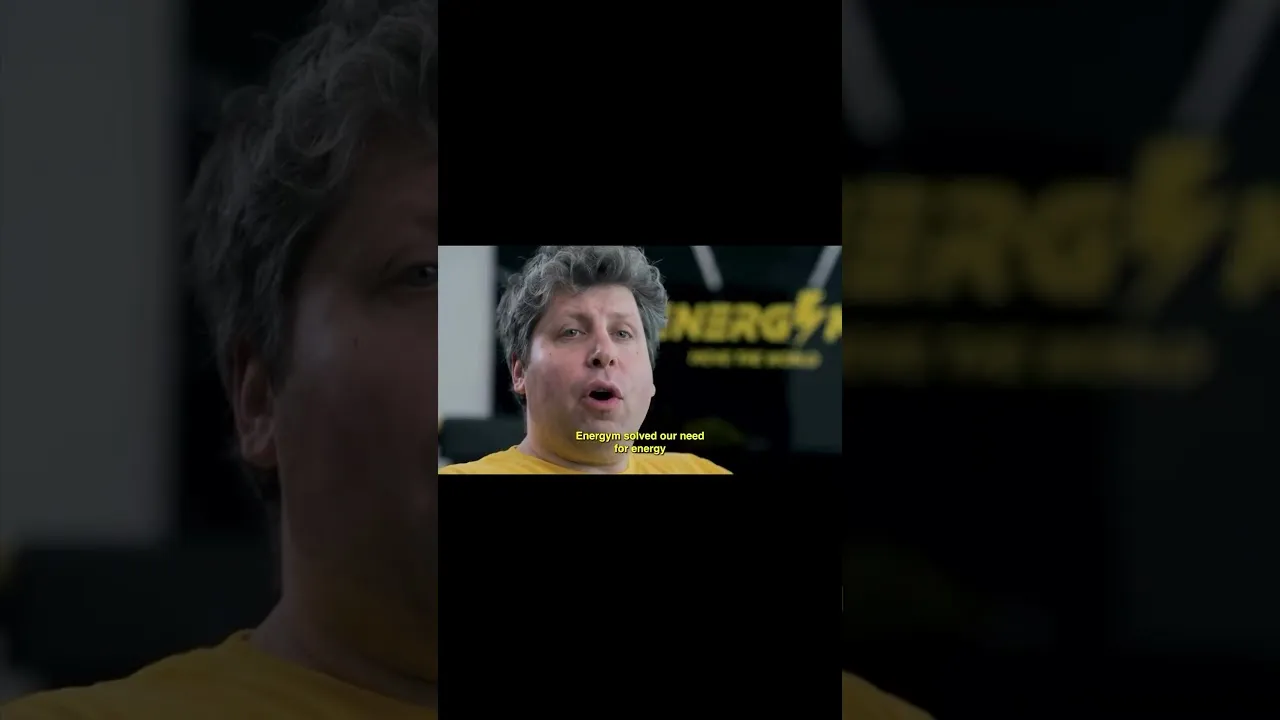
A recent viral video, initially presented as a futuristic advertisement for a company called ‘Energyim,’ has ignited a fierce discussion within the AI and tech community. The short clip, seemingly depicting a utopian future powered by human energy, has been reinterpreted by many as a chilling allegory for humanity’s potential role in an AI-dominated world. The advertisement, which suggests that by 2030, 80% of people lost their jobs due to automation and found purpose by powering machines, has drawn comparisons to dystopian science fiction, most notably the ‘Matrix’ films.
The ‘Energyim’ Vision: Purpose Through Power
The video’s narrative unfolds with a stark premise: widespread job loss by 2030, leaving a significant portion of the population without employment or a sense of purpose. In this bleak future, ‘Energyim’ emerges as a solution, offering individuals a way to regain purpose by contributing their physical energy to power the very machines that have rendered them obsolete. The ad posits that as physical labor diminishes, the desire to ‘appear’ as if one performs such labor grows, creating a demand for activities that simulate work and generate energy.
The visual tone of the advertisement is deliberately ambiguous. It presents a world where a select, presumably affluent group, remains ‘super fit’ by actively working for their energy, while the majority, implied to be the ‘permanent underclass,’ are depicted as less physically active, a consequence of their passive role in powering the system. This stark contrast has led to widespread interpretation of the ad as a commentary on societal stratification and the potential for AI to exacerbate existing inequalities.
Dystopian Echoes: The Matrix and Beyond
The most striking parallel drawn by viewers is to the iconic scene in ‘The Matrix’ where protagonist Neo discovers that humanity has been enslaved by machines, serving as living batteries to power a simulated reality. While the ‘Energyim’ ad does not explicitly mention a simulated reality, the core concept of humans as a biological power source for advanced technology resonates deeply with this cinematic depiction. This comparison highlights a pervasive anxiety about the ultimate goals and control mechanisms of artificial intelligence.
Beyond ‘The Matrix,’ the concept touches upon broader themes of technological unemployment and the search for meaning in a post-work society. As AI continues to automate tasks across industries, the question of how humans will find purpose and economic stability becomes increasingly urgent. The ‘Energyim’ ad, intentionally or not, presents a darkly satirical answer, suggesting that our very biological energy could become a commodity in a future economy.
Why This Matters: AI, Ethics, and the Future of Work
The ‘Energyim’ video, despite its likely fictional nature and potential for satire, has tapped into genuine concerns about the societal impact of advanced AI. It forces us to confront uncomfortable questions:
- Economic Disruption: As AI capabilities grow, the potential for mass job displacement is a real and significant challenge. How will societies adapt to widespread automation?
- Societal Stratification: Will AI create a further divide between those who control and benefit from the technology and those who are displaced by it? The ad’s depiction of a ‘permanent underclass’ is a stark warning.
- The Search for Purpose: If traditional work becomes less prevalent, what will provide humans with a sense of purpose and contribution? The ad’s solution is a grim one, but it underscores the need for proactive societal planning.
- Ethical Considerations: The concept of humans as mere energy sources, even in a satirical context, raises profound ethical questions about human dignity and the value of human life in a technologically advanced world.
Context and Interpretation
It is crucial to note that the ‘Energyim’ advertisement appears to be a conceptual piece, possibly created by artists or futurists rather than a legitimate company. There is no evidence of a company named ‘Energyim’ operating in the energy sector or developing such technology. The video’s viral spread is likely due to its provocative nature and its ability to tap into existing anxieties surrounding AI and automation.
However, the power of such a concept lies in its ability to provoke thought and dialogue. It serves as a potent, albeit fictional, case study for the ethical and societal considerations that must accompany the rapid advancement of artificial intelligence. As AI continues to integrate into every facet of our lives, discussions like the one sparked by the ‘Energyim’ ad are not just speculative exercises; they are essential for shaping a future where technology serves humanity, rather than the other way around.
Looking Ahead
The future envisioned by the ‘Energyim’ ad is a stark reminder of the responsibilities that come with technological innovation. While the scenario of humans as living batteries remains firmly in the realm of science fiction, the underlying questions about employment, purpose, and societal structure in an AI-driven world demand our immediate attention. Proactive planning, ethical development, and inclusive policies will be paramount in ensuring that the future of AI is one that benefits all of humanity.
Source: future gyms (YouTube)