AI Breakthrough: LLMs Now Accessible Via Voice Calls
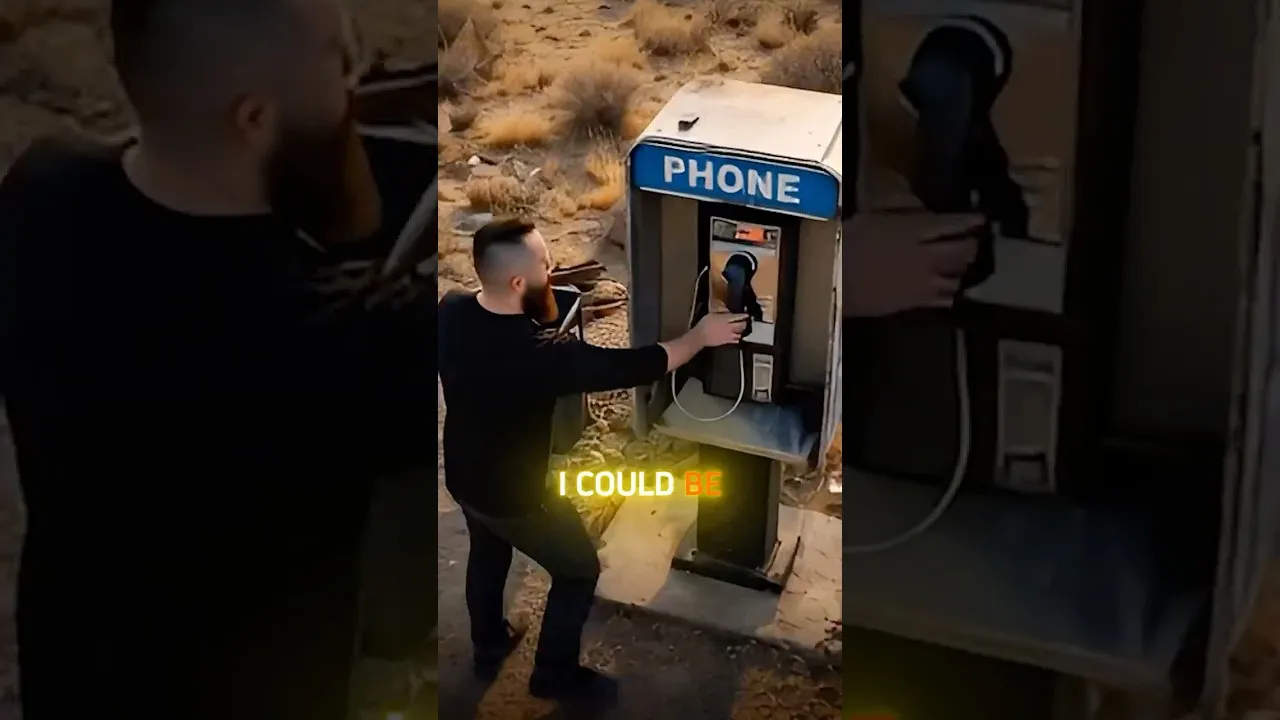
Imagine an AI assistant so advanced, you could call it from a payphone. While that scenario might seem far-fetched, a recent development is bringing us closer to seamless, voice-activated interaction with large language models (LLMs) like Anthropic’s Claude. This innovation merges the power of sophisticated AI with the ubiquity of voice communication, potentially revolutionizing how we access and utilize AI, even in remote locations.
Connecting AI to the World: A New Voice Interface
The core of this breakthrough lies in integrating AI models with traditional communication systems, specifically phone lines. The concept is to allow users to engage in real-time, spoken conversations with an AI, bypassing the need for a computer, internet browser, or specialized app. This opens up possibilities for interacting with AI in situations where digital access is limited or inconvenient.
How It Works: The Technical Backbone
The system, as demonstrated, employs a multi-component architecture to achieve voice-based AI interaction:
- Voice Activity Detection (VAD): A local server, running on a personal computer, monitors audio input. It intelligently detects when a user begins speaking and when they stop, ensuring that only relevant speech segments are processed.
- Speech-to-Text (STT): Once speech is detected, it’s converted into text. The system leverages OpenAI’s Whisper model, a powerful and widely-used STT engine, to accurately transcribe spoken words into digital text.
- AI Model Interaction: The transcribed text is then sent to the LLM, in this case, Claude. The AI processes the query, generates a response, and this response is converted back into speech.
- Text-to-Speech (TTS): For the AI’s response to be delivered audibly, a TTS engine is used. The demonstration utilizes Eleven Labs, a leading platform known for its high-quality, natural-sounding voice synthesis.
- Phone System Integration: The entire process is bridged to a phone system, such as 3CX, allowing the user to initiate and receive calls from the AI. This means a standard phone call can now connect you to an advanced AI.
Democratizing AI Access
While the setup might appear complex, the goal is to simplify the user experience. The technical implementation, though involving several steps, can be streamlined for ease of installation, potentially with a single command-line instruction. This approach aims to make advanced AI accessible to a broader audience, irrespective of their technical expertise or immediate access to typical digital interfaces.
Why This Matters: Real-World Impact
The implications of this voice-enabled AI access are significant:
- Accessibility: Individuals in remote areas with limited internet connectivity or those who prefer voice interaction can now leverage powerful AI tools. This includes professionals working in the field, travelers, or individuals with disabilities who may find voice commands more intuitive.
- Productivity: By integrating AI into everyday communication channels like phone calls, users can potentially boost productivity. Imagine getting AI-powered insights or task assistance while on the go, without needing to pull out a device.
- Contextual AI: When an AI like Claude has access to your personal or business context (as mentioned in the transcript), voice interaction allows for more natural and efficient retrieval of information or task completion, directly from a phone call.
- Emergency Situations: In scenarios where digital infrastructure fails or is unavailable, a basic phone line could become a lifeline to essential AI-powered information or assistance.
The Future of AI Interaction
This development signifies a move towards more ambient and integrated AI. As LLMs become more capable, making them accessible through simple, intuitive interfaces like voice calls is a crucial step in their widespread adoption. While specific models like Claude and tools like Whisper and Eleven Labs are currently featured, the underlying architecture is adaptable, suggesting future integrations with other LLMs and communication platforms.
The ability to simply ‘call’ an AI, much like calling another person, represents a paradigm shift. It moves AI from a tool you actively seek out on a device to a ubiquitous assistant that can be reached through the most fundamental communication method available. This innovation paves the way for a future where advanced artificial intelligence is not just a desktop or mobile experience, but an ever-present, voice-accessible resource.
Source: I gave Claude Code a phone number #claudecode (YouTube)