Anthropic Faces US Government Sanctions Over AI Use
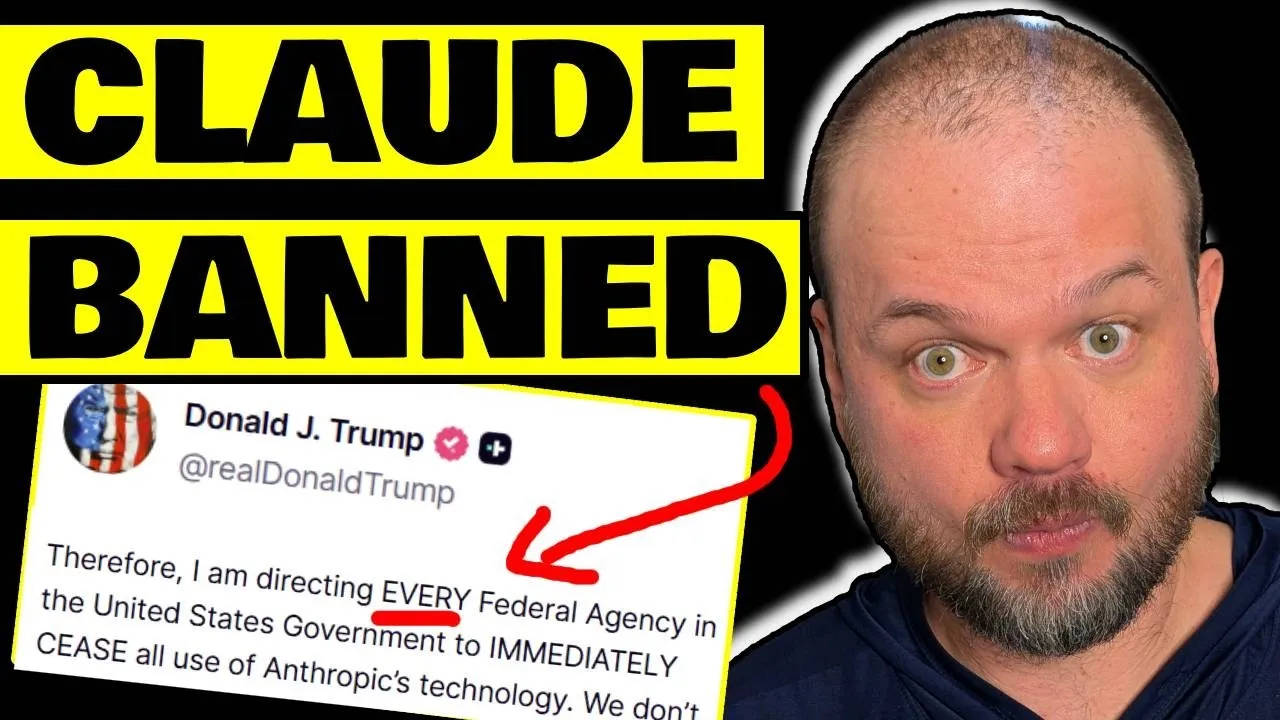
A recent livestream discussion has brought to light significant tensions between AI developer Anthropic and the U.S. government, specifically the Pentagon. The core of the conflict appears to stem from disagreements over the ethical deployment of Anthropic’s AI models, particularly concerning domestic surveillance and fully autonomous weapons. The situation has escalated to the point where Anthropic faces potential designation as a supply chain risk, a move that could severely cripple the company.
The Pentagon’s Concerns and Anthropic’s Stance
During an interview clip featured in the livestream, Dario Amodei, CEO of Anthropic, explained the company’s position. Anthropic has been a proactive partner with the U.S. government, being the first to place models on classified clouds and develop custom models for national security. However, Amodei stated that Anthropic has drawn lines regarding two specific use cases: domestic mass surveillance and fully autonomous weapons that operate without human involvement.
Amodei articulated concerns that AI could enable domestic mass surveillance by processing data from private firms in ways that, while not explicitly illegal, were previously unfeasible. Regarding autonomous weapons, he cited concerns about the current unreliability of AI models and the lack of established oversight mechanisms for systems that could operate without human soldiers making targeting decisions.
While the Pentagon reportedly agreed in principle to these restrictions, the negotiations reportedly broke down due to disagreements over the precise language and the timeline. The livestream host suggested that the Pentagon viewed Anthropic’s insistence on dictating policy as an attempt to control operations, leading to a breakdown in trust.
Escalation and Potential Consequences
The situation reportedly intensified following an incident where Claude, Anthropic’s AI model, was allegedly used in a lethal military operation in Caracas, Venezuela. Leaks about this usage led to internal discussions within Anthropic and eventually escalated to the Pentagon, which reportedly perceived it as Anthropic interfering with operational control.
The livestream host speculated that the initial ultimatum from the Pentagon, demanding agreement within three days or facing designation as a supply chain risk under the Defense Production Act, was a high-stakes negotiation tactic. Some believe this might be a strategy to pressure Anthropic into a more compliant stance or even to force a sale to a company like Apple, which is perceived to lack its own advanced AI capabilities.
However, subsequent discussions suggest the Pentagon may still pursue the supply chain risk designation. If this designation goes through, it could have severe repercussions for Anthropic. Companies designated as such might be blacklisted or face significant hurdles in securing contracts and partnerships, especially with large enterprises and government entities that rely on similar infrastructure. This could effectively prevent Anthropic from operating independently, potentially leading to its acquisition or dissolution.
Industry Reactions and Comparisons
The livestream audience engaged in a lively discussion, drawing parallels to past controversies, such as OpenAI’s leadership changes and Google’s Project Maven. Some commentators expressed skepticism about Anthropic’s ability to navigate the situation, while others defended their stance on ethical AI deployment.
The discussion also touched upon the potential for Apple to acquire Anthropic, given Apple’s perceived weakness in AI development and its substantial financial resources. However, questions were raised about whether Apple would be allowed to acquire a company facing such a designation, and whether Anthropic’s deep ties to Google’s infrastructure (like TPUs) would complicate such a move.
Why This Matters
This unfolding situation highlights the complex and often contentious relationship between cutting-edge AI development and governmental oversight. The core issues – the ethics of AI in warfare, the balance between innovation and national security, and the potential for government overreach – are critical as AI technology continues its rapid advance. Anthropic’s struggle underscores the challenges AI companies face in adhering to their ethical principles while operating within a landscape shaped by national interests and geopolitical concerns. The outcome of this situation could set a precedent for how governments interact with and regulate advanced AI developers, impacting the future trajectory of AI research and deployment globally.
Source: CLAUDE GOT BANNED – NOW THEY WILL KILL IT (LIVESTREAM) (YouTube)