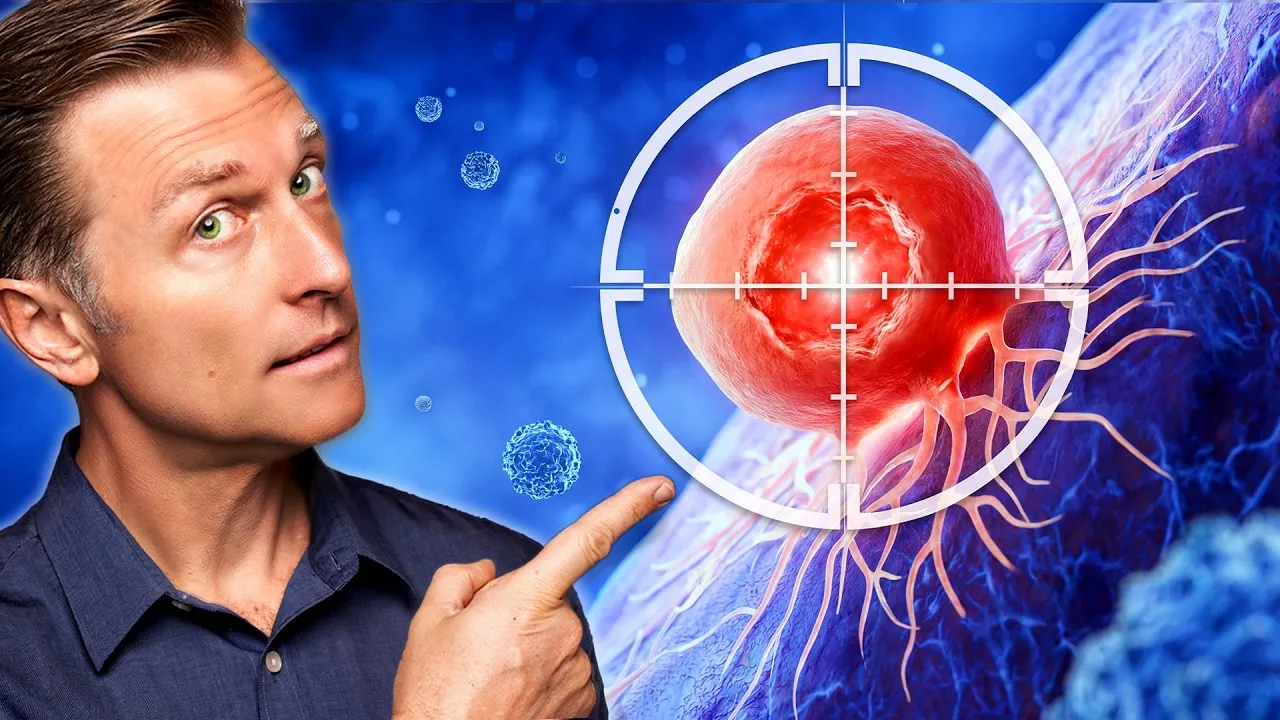
Anti-Parasitic Drugs Show Promise Against Cancer
A surprising connection between parasitic infections and cancer is emerging, with some drugs designed to fight worms showing potential in treating advanced cancer. This research suggests that cancer cells share fundamental survival mechanisms with parasites, opening new avenues for treatment. While conventional medicine has yet to widely explore these findings, early studies and case reports offer a glimmer of hope for patients.
Understanding Cancer’s ‘Parasitic’ Nature
To grasp this connection, it helps to understand how cells produce energy. Normally, our cells’ energy factories, called mitochondria, efficiently convert glucose into a usable energy form called ATP. This process yields a significant amount of energy, about 36 units per glucose molecule. However, when cells become damaged by toxins or radiation, they can switch to a more primitive, ancient energy-producing system known as glycolysis. This backup system, also used by bacteria and fungi, is far less efficient, generating only about two units of energy per glucose molecule.
This shift to glycolysis is a hallmark of cancer, as discovered by Nobel laureate Otto Warburg nearly a century ago. This is why doctors use PET scans, which track the body’s sugar metabolism, to detect cancer. Cancer cells ‘light up’ brightly on these scans because they consume sugar at a high rate using this less efficient pathway. A byproduct of this process is lactic acid, which creates an environment where cancer can thrive, while normal cells struggle.
Cancer cells are also highly adaptable. Beyond sugar, they can use amino acids like glutamine and even ketones for fuel, especially in advanced stages. This adaptability makes them challenging to treat.
Shared Survival Strategies: Cancer and Parasites
Researchers have identified three key survival mechanisms shared by parasites, fungi, and cancer cells:
1. Internal Scaffolding
Both cancer cells and parasites possess an internal structural framework, like a skeleton, that supports their rapid division. For instance, tapeworms can produce thousands of eggs daily, while cancer cells divide relentlessly without the usual cellular ‘brakes.’ Drugs that disrupt this scaffolding, such as the anti-parasitic medication fenbendazole, can interfere with cancer cell division. Other anti-parasitic agents and even some natural remedies like wormwood, black walnut hull, and clove are believed to work by affecting this structure.
2. Evading the Immune System
Normally, damaged cells in our body trigger a self-destruct sequence for the greater good. However, cancer cells and parasites often display a ‘don’t kill me’ signal, effectively hiding from the immune system. Anti-parasitic drugs and natural remedies may help by removing this ‘badge,’ allowing the immune system to recognize and eliminate the rogue cells. This is crucial because a strong immune system, particularly certain cells like killer T-cells and natural killer cells, is vital for fighting cancer.
3. Fueling the Fire with Glycolysis
As mentioned, both parasites and cancer cells rely heavily on glycolysis for energy. Anti-parasitic treatments can target and block this pathway, effectively starving cancer cells of their preferred fuel source. This means that many natural remedies used for parasite cleansing may also indirectly inhibit cancer’s energy production.
Why Aren’t These Treatments Mainstream?
Several factors contribute to the limited mainstream attention these findings receive. Firstly, many potential treatments, like fenbendazole and ivermectin, are older drugs with expired patents. Pharmaceutical companies are unlikely to invest millions in clinical trials for inexpensive, generic medications, especially when compared to the potential profit from newly developed cancer drugs.
Secondly, much of the research originates from universities and smaller labs, particularly in countries like South Korea and India, rather than large, industry-funded institutions. This can lead to less visibility within the broader medical community. Despite this, published case studies document the effectiveness of these approaches in stage 4 cancer patients, even those resistant to chemotherapy.
A study from 2025 highlighted fenbendazole’s ability to target both regular cancer cells and cancer stem cells – the resilient ‘seeds’ that often survive treatment and cause tumors to regrow. In treated mice, this approach showed 100% survival, compared to zero in untreated controls, demonstrating efficacy even in chemotherapy-resistant cancers.
Supporting Your Immune System Against Cancer
While exploring these alternative avenues, it’s essential to remember the power of the immune system. Supporting your immune defenses can play a significant role in combating cancer. Key strategies include:
- Vitamin D: Ensure adequate levels, as higher doses are often needed to support immune function effectively.
- Fasting: Regular and prolonged fasting can be a powerful tool for enhancing immune responses.
- Sleep: Quality sleep is crucial for immune cell regeneration and function.
- Exercise: Regular physical activity boosts the immune system, including the cancer-fighting T-cells and natural killer cells.
It is also critical to reduce the intake of sugars, refined carbohydrates, and grains, as these directly fuel cancer cells. For those with cancer, understanding how to strategically rotate dietary fuel sources, such as sugars, glutamine, and amino acids, can prevent cancer from adapting to a single energy source.
A Note on Medical Advice
This article presents information based on emerging research and observational studies. It is not intended as medical advice. If you or someone you know has cancer, it is crucial to consult with a qualified healthcare professional. They can provide personalized guidance, discuss all available treatment options, and help you make informed decisions based on your specific health situation. Do not start, stop, or change any treatment without consulting your doctor.
Source: Cancer Is a Parasite (YouTube)