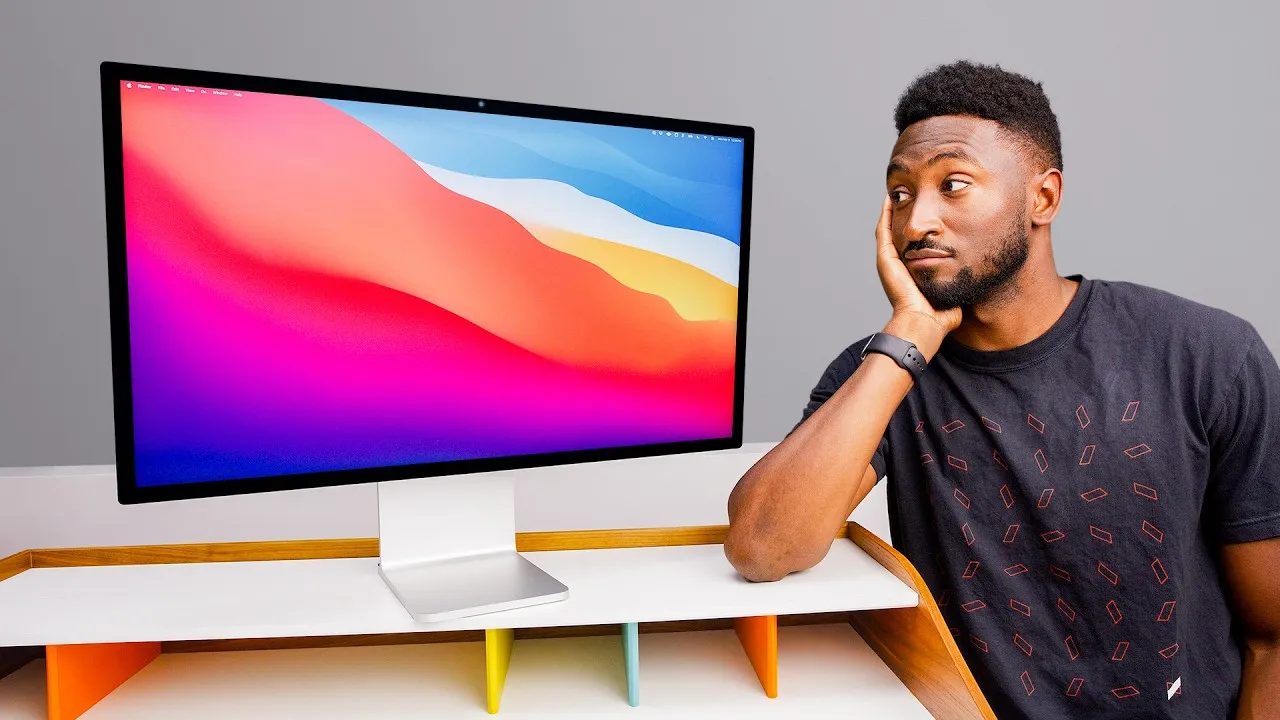
Apple’s New Studio Display XDR: A ‘Pro’ Monitor for Everyone?
Apple has unveiled its latest display, the Studio Display XDR, a significant upgrade over its predecessor. While not the most groundbreaking tech announcement of the season, its existence and features offer a telling glimpse into Apple’s evolving product strategy. This new monitor, boasting a stunning miniLED panel, advanced HDR capabilities, and seamless integration with the Apple ecosystem, signals a shift in how Apple defines and targets its ‘pro’ market.
Studio Display XDR vs. Pro Display XDR: A Clear Evolution
The new Studio Display XDR replaces the outgoing Pro Display XDR, and the transition is more than just a name change. The technical specifications reveal a clear leap forward. Both displays share a 27-inch 5K resolution, but the XDR model introduces a miniLED backlight, dramatically improving contrast and brightness. It achieves a peak HDR brightness of 2,000 nits, significantly higher than the Pro Display XDR’s 1,600 nits. In standard SDR mode, it can sustain 1,000 nits full screen, a substantial jump from the Pro Display’s 500 nits. The miniLED technology also brings 2,000 local dimming zones, compared to the Pro Display’s 576, resulting in deeper blacks and reduced blooming, especially noticeable in dark scenes.
Beyond the panel, the Studio Display XDR inherits the excellent stand design from the previous model, but now includes it in the base price, starting at $3,299. The optional nano-texture glass, which aims to reduce glare, is available for an additional $300. This is a considerable reduction from the Pro Display XDR’s original $5,000 price tag, which did not include the stand or nano-texture options.
Nano-Texture Glass: A Refined Experience
Apple’s nano-texture glass, first introduced on the Pro Display XDR, has seen refinements over the years. Initially prone to smudges and difficult to clean, requiring specific cloths (and famously, the Apple Polishing Cloth), the technology has improved. While the new Studio Display XDR nano-texture version comes with a dedicated cleaning cloth and a note advising its use, it appears more forgiving than its predecessor. Apple has also updated its compatibility lists for the polishing cloth to include the new display, a detail many users have been eagerly awaiting.
Seamless Ecosystem Integration
A key selling point for Apple displays has always been their integration with the Mac. The Studio Display XDR continues this tradition with enhanced capabilities. It features a single Thunderbolt 5 port for power, data, and video, simplifying desk setups. The display also includes a built-in 1080p webcam with Center Stage, a feature absent on the Pro Display XDR, and surprisingly capable speakers that rival those in the 16-inch MacBook Pro. For those needing more screen real estate, up to four Studio Displays or two Studio Display XDRs can be daisy-chained from a single MacBook Pro via Thunderbolt 5, all while delivering up to 140W of charging power to the laptop.
The “Pro” Reimagined: A Strategic Shift
The naming convention – Studio Display XDR replacing Pro Display XDR – is a deliberate signal. Apple’s blog posts still refer to it as the “world’s best pro display,” yet the company appears to be shifting its focus. The theory suggests Apple is moving away from catering to the niche, demanding professional market, which is less inclined towards ecosystem lock-in. Instead, the “Pro” moniker is increasingly applied to high-end consumer devices like the iPhone Pro and MacBook Pro, offering pro-level capabilities to a broader audience.
This strategy implies a potential sunsetting for truly professional-grade hardware like the Mac Pro, which has seen less frequent updates compared to the Mac Studio. The “Studio” branding is now positioned at the pinnacle of Apple’s lineup, indicating the most capable devices for general users and creative professionals alike.
Who is the Studio Display XDR For?
For existing Pro Display XDR owners, the decision to upgrade might be complex, especially given the larger screen real estate of their current monitors. However, for users seeking the best display to complement a MacBook Pro, the Studio Display XDR presents a compelling package. Its 27-inch 5K resolution, exceptional brightness, high refresh rate, and seamless single-cable connectivity make it an ideal choice for many creative tasks, from video editing and photo manipulation to everyday productivity.
The integrated webcam and speakers, while not replacing dedicated professional equipment, add significant convenience for mixed-use scenarios, including video conferencing and media consumption. The 120Hz refresh rate enhances animations, scrolling, and even casual gaming, features typically not found on professional reference monitors. The inclusion of an A19 Pro chip with 12GB of RAM to power the webcam and speakers, along with the built-in power supply (though with a non-removable cable), highlights the advanced technology packed into the display.
The Future of Apple Displays
While the Studio Display XDR offers a superior visual experience and enhanced connectivity, it faces the unique challenge of being in a category with few direct competitors offering the same combination of specs. The display’s performance, particularly its miniLED technology and high refresh rate, sets a new benchmark for Apple’s consumer-oriented professional displays. As Apple continues to refine its product lines, the Studio Display XDR stands as a testament to their strategy of bringing pro-level features to a wider audience, blurring the lines between professional tools and high-end consumer electronics.
Source: Apple Studio Display XDR Review: We're All Pros Now! (YouTube)