Transform Your Workouts: Ditch Risky Exercises for Optimal Results
Many common exercises, while popular, carry a significant risk of injury without offering superior benefits. Physical therapist Jeff Cavaliere, founder of Athlean-X, highlights eight exercises that you should consider replacing with safer, more effective alternatives to achieve better results and prevent potential harm.
1. Upright Rows: Protect Your Shoulders
The upright row is a staple for shoulder and trap development for many. However, as demonstrated, the typical form often leads to the elbows rising higher than the wrists, forcing the shoulder into internal rotation under load. This position, especially at the top of the movement when the arm is elevated, can increase the risk of shoulder impingement and discomfort. Cavaliere suggests the ‘high pull’ as a superior alternative. In the high pull, the elbow stays lower than the wrist, promoting external shoulder rotation and reducing the stress on the shoulder joint while still effectively targeting the deltoids and traps.
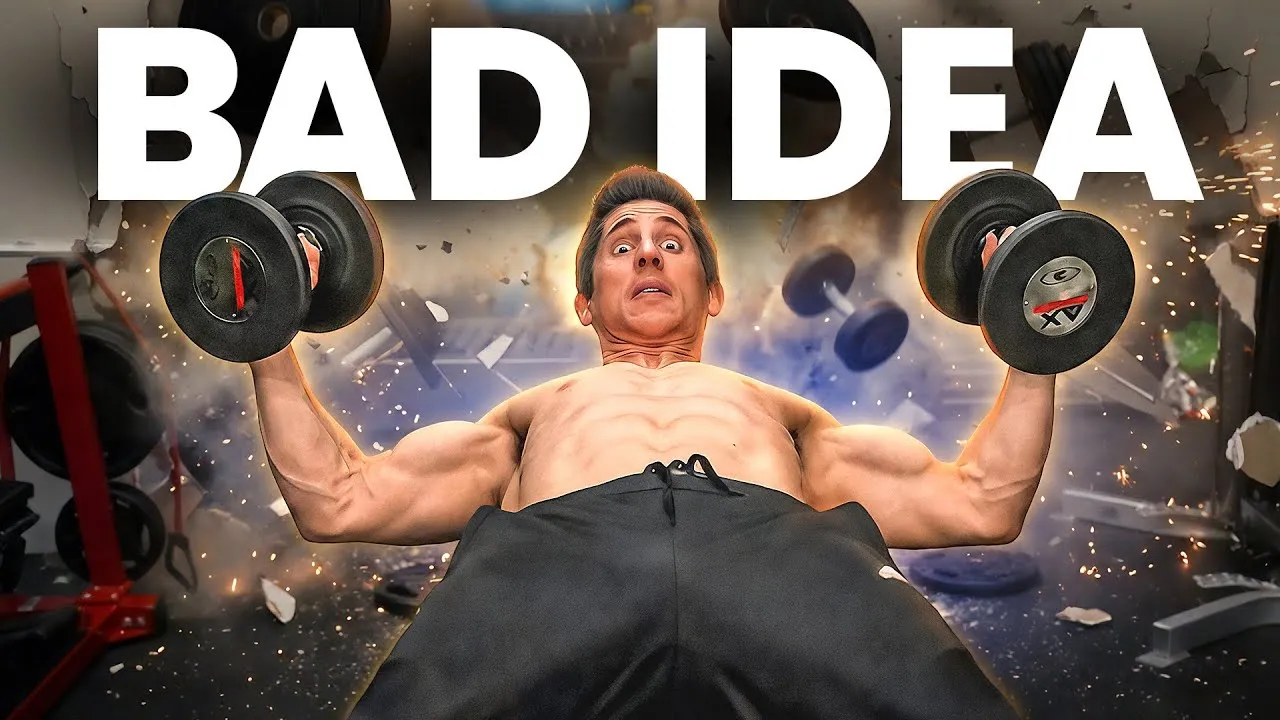
2. Unsupported Dumbbell Bench Flyes: Secure Your Chest Workout
While aiming for a greater pec stretch, unsupported dumbbell bench flyes place the shoulder joint, particularly the anterior capsule, in a vulnerable and overstretched position. This vulnerability is amplified when using heavier weights. Cavaliere advocates for cable crossovers as a safer and more effective alternative. Cable crossovers allow for greater control, the ability to use more weight for progressive overload, and a more complete range of motion, including adduction across the body. The machine also provides a built-in safety mechanism, allowing you to easily return the weight to the stack if needed, thus protecting the anterior shoulder capsule.
3. Cuban Press: Isolate and Strengthen Effectively
The Cuban press, a combination of an overhead press and an external rotation movement, is deemed unnecessary by Cavaliere. He argues that it attempts to combine a compound lift with a corrective exercise, potentially compromising both. Instead, he recommends performing a standard shoulder press and then dedicating separate exercises to target specific muscle functions. For rotator cuff health and external rotation strength, exercises like a simple banded external rotation or, more effectively, face pulls are recommended. Face pulls provide resisted external rotation throughout the entire range of motion and can also stimulate the lower traps, contributing to better shoulder stability.
4. Anchored Sit-Ups: Engage Your Abs Safely
Traditional sit-ups with feet anchored under an object, often taught to maximize repetitions, can be detrimental. This technique allows the hip flexors to take over, reducing the work done by the abdominal muscles. Furthermore, overactive hip flexors can pull on the lumbar spine, leading to low back pain. Cavaliere suggests an alternative where your feet are anchored *beyond* an object, requiring you to pull yourself up against resistance. This method engages the hamstrings more, which reciprocally reduces the hip flexors’ contribution, allowing your core to do the majority of the work more effectively and safely.
5. Rack Pulls Above the Knee: Prioritize Spinal Health
Rack pulls, especially when performed with the bar set above knee height, allow for the use of very heavy weights. However, this often leads to excessive thoracic rounding (shoulder blades coming forward and around the body). This rounded posture can compress the thoracic outlet, a critical area containing nerves and blood vessels. Cavaliere advises performing regular deadlifts from the floor or, if using rack pulls as an accessory, lowering the starting position to below the knee. This ensures a proper hip hinge, maintains a neutral spine, and prevents excessive shoulder blade protraction, thereby protecting the thoracic outlet.
6. One-Arm Dumbbell Row (Unsupported): Prevent Hernias
The common setup for a one-arm dumbbell row, with one leg back and the torso supported on a bench, creates an asymmetrical loading position. This can place significant pressure on the inguinal canal, potentially widening the canal and leading to an inguinal hernia, especially with heavy weights. Cavaliere proposes a safer variation: performing the row with both feet on the floor in a tripod position. This balanced stance allows you to maintain a stable pull without the asymmetrical stress on the inguinal area, while still effectively targeting the lats.
7. Static Stretching Before Exercise: Warm Up Dynamically
Holding static stretches before a run or workout is not the most effective way to prepare your body for activity. Cavaliere explains that dynamic movements are superior for warming up. Leg swings, for example, improve dynamic flexibility and incorporate hip rotation, making them more functional than a static hamstring stretch. If you do choose to perform a static hamstring stretch, ensure proper form by tilting the pelvis anteriorly and keeping the chest up, rather than slumping the lower back, to effectively target the hamstring muscle.
8. Side Bends with Dumbbells: Protect Your Lower Back
While side bends might feel like they target the obliques, they often put the lower back in a vulnerable position, especially when performed with dumbbells. The spine is loaded laterally, and the lower back is not designed for excessive mobility under load. Cavaliere recommends safer alternatives for oblique development: side planks or variations thereof, and Russian rows. Russian rows involve actively rowing the arm back, promoting rotation and engaging the obliques more effectively and safely than side bends. Spot reduction of love handles is also a myth; overall body fat reduction through diet and exercise is key.
Key Health Takeaways
- Prioritize safety by replacing high-risk exercises like upright rows and unsupported dumbbell flyes with alternatives like high pulls and cable crossovers.
- Protect your joints by avoiding exercises that force unnatural positions under load, such as the traditional upright row and Cuban press.
- Strengthen your core effectively and safely by performing sit-ups with feet unanchored or pulled against resistance, rather than anchored.
- Maintain spinal health by choosing exercises like conventional deadlifts or modified rack pulls over high rack pulls that can cause thoracic rounding.
- Prevent injuries like inguinal hernias by opting for balanced exercise setups, such as the two-footed row, over asymmetrical ones.
- Prepare your body for exercise with dynamic warm-ups like leg swings, saving static stretching for post-workout recovery.
- Develop your obliques using safer exercises like side planks or Russian rows, and understand that spot reduction is not possible.
Disclaimer: This article is for informational purposes only and does not constitute medical advice. Always consult with a qualified healthcare provider before beginning any new exercise program or making any changes to your existing routine. Individual results may vary.
Source: The 8 Worst Exercises Ever (PLEASE STOP!) (YouTube)