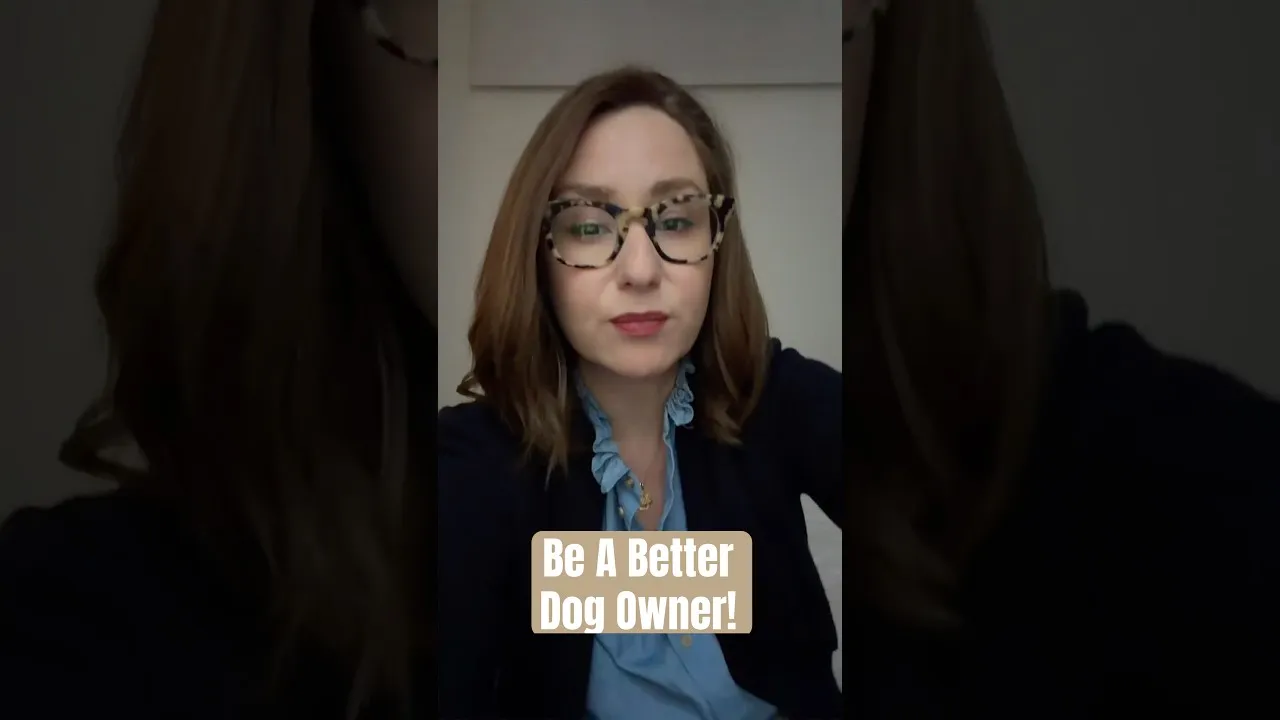
Modern Dog Ownership Reflects Societal Issues, Expert Claims
Many dog owners prioritize personal satisfaction over community and even their pets’ well-being, according to a recent analysis. This trend, the analyst argues, mirrors larger societal problems of declining responsibility.
Breed Mismatches Plague Urban Environments
A significant issue highlighted is the mismatch between dog breeds and urban living. The analyst estimates that over 70% of dog breeds commonly seen on city streets are not suited for such environments. Breeds developed for herding sheep or pulling sleds require extensive physical and mental stimulation.
Keeping these high-energy dogs in small city apartments for extended periods can lead to serious behavioral issues, including anxiety disorders. The speaker notes that most owners lack the training, knowledge of dog psychology, or lifestyle to properly care for these demanding breeds. Instead, many opt for these high-needs dogs while only being equipped to handle breeds suited for a more sedentary life, like lap dogs.
Off-Leash Dogs Pose Major Risks
The problem of dogs running off-leash in urban areas is another major concern. The analyst describes witnessing this frequently, often having to rescue their own leashed dog from chaotic encounters. Off-leash dogs are seen as a universal hazard in cities, endangering themselves, other animals, pedestrians, and even traffic.
The argument is made that very few owners have adequately trained their dogs to manage the risks associated with being off-leash in a busy environment. This lack of control creates dangerous situations for everyone involved.
Pets Left Unattended Outside Businesses
Another troubling behavior observed is leaving dogs tied up outside stores or coffee shops while owners run errands. This practice is described as potentially terrifying for the dog in the best-case scenario. In worse cases, the dog could be harmed, harm someone else, or even be stolen.
Dogs in Stores Raise Concerns
The increasing presence of dogs in places like grocery stores, such as Whole Foods, is also questioned. While some defend this by pointing to irresponsible cat owners, the analyst distinguishes the impact. The consequences of bad cat ownership are typically confined to the owner’s home.
In contrast, irresponsible dog ownership directly impacts the wider community. These issues, the analyst believes, are a clear indicator of a broader decline in personal accountability towards others and even towards the animals people claim to love.
Market Impact
While this analysis focuses on societal behavior rather than direct financial markets, it touches upon consumer trends and potential regulatory shifts. The increasing prevalence of pet ownership, particularly dogs, has fueled significant growth in the pet industry. This includes everything from high-end pet food and accessories to specialized training and veterinary services.
However, the issues raised could indirectly affect this market. Increased incidents involving poorly managed dogs might lead to stricter local ordinances or regulations regarding pet ownership in public spaces. This could impact businesses that cater to or allow pets, potentially affecting consumer behavior and demand for certain pet-related products or services. For instance, a rise in dog-related incidents could lead to more businesses restricting or banning dogs, impacting the market for portable pet accessories or services catering to owners who take their pets everywhere.
What Investors Should Know
Investors in the pet industry should be aware of the societal dynamics influencing pet ownership. While the overall market remains strong, driven by humanization of pets, underlying issues of responsible ownership could pose risks.
Companies offering services like dog training, pet insurance, or specialized pet products might need to adapt to changing consumer expectations or potential regulatory environments. A focus on promoting responsible pet ownership through educational content or services could become a competitive advantage. Understanding the difference between breeds and their needs, and how owners are adapting (or failing to adapt), can provide insights into the long-term sustainability of certain market segments.
Long-Term Implications
The analyst’s critique suggests a need for greater awareness and education regarding dog breeds and responsible ownership. If these trends continue, it could lead to a societal pushback against certain aspects of modern dog ownership. This might manifest as increased public scrutiny, stricter enforcement of leash laws, or even breed-specific legislation in some areas.
For the pet industry, this could mean a shift in focus. Instead of solely capitalizing on the desire for pet companionship, there might be a growing market for resources that support responsible ownership. This includes advanced training programs, behavior modification services, and products designed to meet the specific needs of different breeds. Ultimately, fostering a culture of responsible pet ownership could lead to a healthier, more sustainable pet market and better community relations.
Source: Let’s Talk About Dog Ownership (YouTube)