Discover Foods Banned Abroad Due to Health Concerns
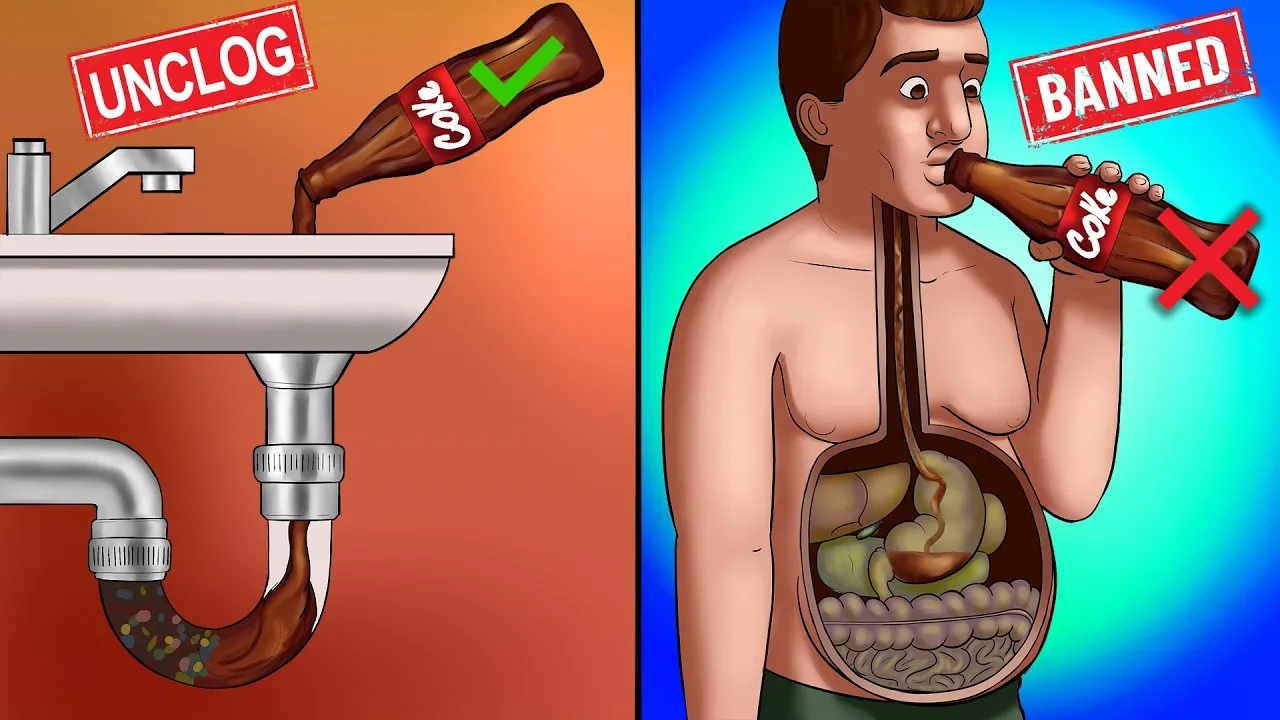
While the United States boasts an abundance of food choices, many popular American products contain ingredients that are prohibited in other countries due to safety concerns. This raises questions about the health standards of foods readily available on U.S. shelves and their potential impact on the nation’s high rates of chronic disease.
Artificial Dyes: A Colorful Concern
Several widely consumed American snacks, including Swiss Rolls, Doritos, Cheetos, and certain candies like M&M’s, contain artificial food dyes such as Yellow No. 5 (tartrazine) and Red No. 40 (Allura Red). These synthetic colorings, used to enhance visual appeal, are banned in countries like Austria and Norway. Regulatory bodies in Europe often opt for natural coloring agents instead. Concerns surrounding these dyes include associations with hyperactivity in children and potential carcinogenic risks. The ubiquity of Yellow No. 5 means it’s found in a vast array of products, from savory snacks to macaroni and cheese mixes.
Hormones and Antibiotics in Meat and Dairy
U.S. meat and dairy products face import bans in the European Union and other nations due to the prevalent use of growth hormones and antibiotics in livestock. Hormones like rBGH are administered to cows to boost milk production, while antibiotics are used to promote growth and prevent illness. However, these practices are restricted elsewhere due to worries about potential links to cancer and the acceleration of antibiotic resistance. Consumers concerned about these issues may opt for products explicitly labeled as grass-fed, pasture-raised, and free from added hormones and antibiotics.
Brominated Vegetable Oil (BVO) in Beverages
Popular sodas like Mountain Dew and some varieties of Gatorade contain brominated vegetable oil (BVO). BVO is a chemical also used in flame retardants, and its presence in food and beverages is banned in Europe and Japan. While the U.S. Food and Drug Administration (FDA) permits its use within certain limits, concerns exist regarding potential health risks, including hormonal disruptions, neurological issues, and damage to the thyroid and liver. Notably, PepsiCo, the parent company of Mountain Dew, has removed BVO from products sold in regions with stricter regulations.
Titanium Dioxide: The Whitening Agent Under Scrutiny
Titanium dioxide, a whitening agent used in products like Skittles to achieve a brighter appearance, is banned in food products across the European Union following a 2022 classification as a potential carcinogen by the European Food Safety Authority. While the FDA maintains that the amounts used in food are minimal and unlikely to pose significant risks, research suggests that titanium dioxide nanoparticles may accumulate in the body, potentially causing cellular damage, inflammation, and oxidative stress. Animal studies have also indicated potential links to DNA damage and immune system effects with prolonged exposure.
Trans Fats: A Cardiovascular Hazard
Partially hydrogenated oils, a primary source of artificial trans fats, are a key reason why products like Pop-Tarts and Ritz crackers are banned in countries such as Austria and Switzerland. Trans fats are conclusively linked to heart disease, as they raise LDL (bad) cholesterol and lower HDL (good) cholesterol. They are also associated with inflammation and artery clogging. While the FDA has significantly reduced the permissible use of trans fats in the U.S., these fats can still be found in many baked goods, pastries, and fried foods, contributing to extended shelf life.
Potassium Bromate: A Dough Strengthener’s Dark Side
Biscuits and other dough-based products, including many Pillsbury items, may contain potassium bromate. This additive, used to strengthen dough and improve elasticity, is classified as a carcinogen by the International Agency for Research on Cancer and is prohibited in Europe, Canada, and several other countries. Despite these international restrictions, the FDA permits its use as long as levels do not exceed specified limits. The presence of a known carcinogen in food products continues to draw criticism and calls for stricter regulation.
High Sugar Content in Cereals
Breakfast cereals like Froot Loops are banned in countries such as France and Norway due to their excessively high sugar content. These nations have adopted firm stances against high sugar consumption, particularly in relation to childhood obesity. Many American breakfast cereals are comparable to candy in terms of sugar content and also contain the aforementioned synthetic dyes linked to behavioral issues in children. Furthermore, some cereals are banned or restricted in Europe due to the preservatives BHT and BHA, classified as possible carcinogens.
Key Health Takeaways
- Limit Artificial Dyes: Reduce intake of brightly colored processed foods, especially those containing Yellow No. 5 and Red No. 40, which are linked to hyperactivity and potential health risks.
- Choose Hormone-Free and Antibiotic-Free Products: Opt for meat and dairy from sources that avoid growth hormones and antibiotics to mitigate concerns about chronic health issues and antibiotic resistance.
- Be Wary of BVO: Limit consumption of beverages containing brominated vegetable oil (BVO), a chemical linked to hormonal and neurological problems.
- Reduce Trans Fat Intake: Avoid processed foods containing partially hydrogenated oils (artificial trans fats), which significantly increase the risk of heart disease.
- Minimize Processed Foods: Be mindful that many highly processed American foods contain ingredients banned or restricted in other developed nations due to potential health risks.
- Consider Natural Alternatives: Look for products that use natural colorings and ingredients, and prioritize whole, unprocessed foods.
Disclaimer: This article is for informational purposes only and does not constitute medical advice. Always consult with a qualified healthcare provider before making any decisions about your health or treatment. The FDA’s regulations and allowances for certain food additives may differ from those in other countries.
Source: 17 USA Foods That are ILLEGAL in Other Countries (YouTube)