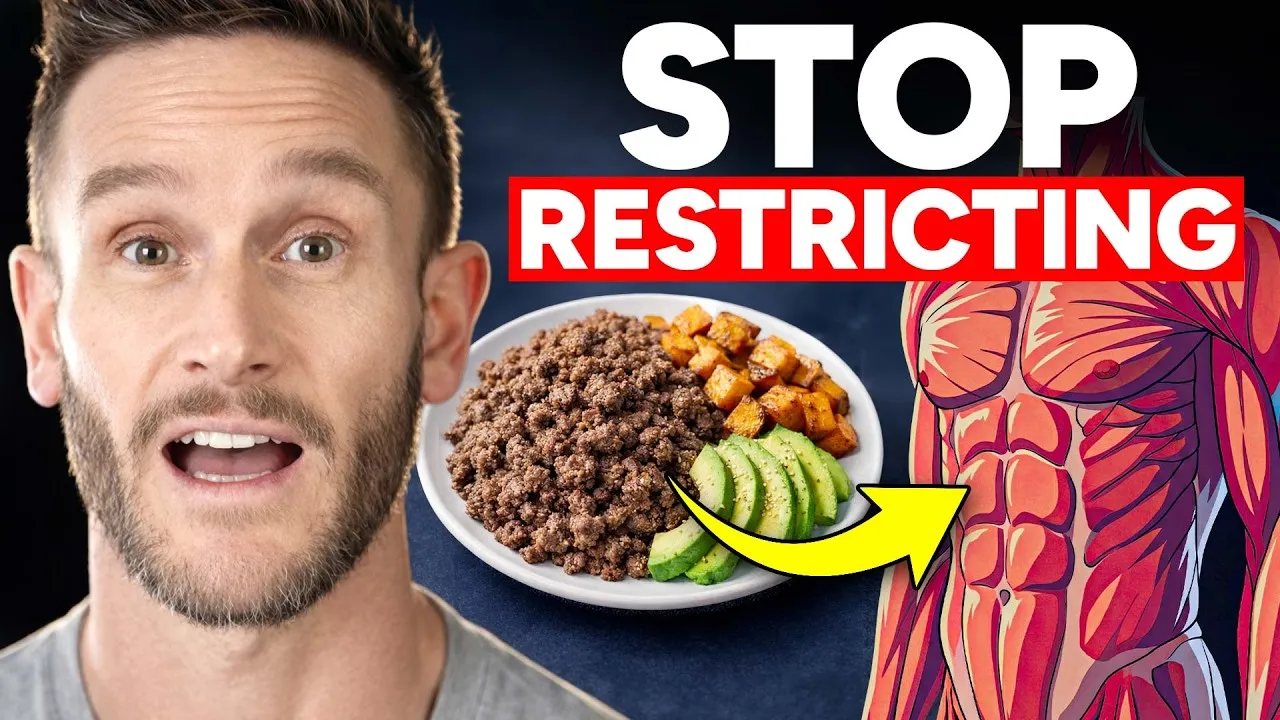
Beat Belly Fat: Rethink Calories, Boost Metabolism
Losing stubborn belly fat, particularly visceral fat—the dangerous kind that surrounds your organs—often involves more than just traditional calorie counting. Recent research suggests that focusing on food quality, meal composition, and consistent movement can significantly impact fat loss and long-term weight management, often bypassing the metabolic slowdown associated with strict calorie restriction.
Calorie Dilution Over Restriction
Many approaches to weight loss focus on calorie restriction, or simply eating less. However, a study published in Cell Reports highlighted a different strategy: calorie dilution. This method involves increasing the volume of food, primarily through fiber-rich, low-calorie options like vegetables, fruits, and legumes, rather than strictly limiting total intake. While both calorie restriction and dilution reduce the body’s usable energy, their metabolic effects differ significantly.
The calorie-restricted group in the study experienced increased hunger signals, a reduced metabolic rate, and gene expression patterns favoring energy conservation. In contrast, the calorie dilution group, despite consuming the same number of calories but more food volume, showed improved metabolic responses. They reported lower hunger, maintained higher energy expenditure, and lost more fat. This suggests that the body responds not just to the quantity of calories but also to the perceived volume of food, interpreting a drop in food volume as scarcity, which can trigger fat-storing adaptations.
The Power of Protein and Fiber
The concept of protein leverage hypothesis suggests that the body continues to crave food until its protein needs are met. Consuming a significant portion of protein earlier in the day, as recommended by experts, can help promote satiety and reduce overall calorie intake. This can be achieved through protein-rich foods like eggs, beef, or even quality protein powders.
Furthermore, the quality of food used for calorie dilution is crucial. Soluble fiber and probiotic-rich foods play a vital role. Studies, including one in the Journal of Lipid Research, indicate that soluble fibers and foods like kefir can feed gut bacteria, which produce short-chain fatty acids (SCFAs). SCFAs like acetate and butyrate activate AMP-activated protein kinase (AMPK), a key regulator of energy metabolism. AMPK activation boosts fat oxidation, reduces fat creation, and improves the uptake of fuel by muscle cells, preventing it from being stored as fat.
Research published in Obesity, following over a thousand adults for five years, found that for every 10-gram increase in daily soluble fiber intake, visceral fat accumulation decreased by approximately 4%, even without changes in overall weight or BMI. Specific probiotic strains, such as Lactobacillus gasseri, have also shown promise, with a study in the British Journal of Nutrition reporting an 8% reduction in abdominal fat over 12 weeks.
Avoiding Trans Fats and Understanding Movement
Trans fats, often found in hydrogenated oils, margarine, and some processed foods, are particularly detrimental to fat loss efforts. While not always causing immediate weight gain, they can reprogram fat storage patterns. A study in Nutrition & Diabetes showed that trans fat intake worsened blood lipid profiles and led to increased body weight over time. A six-year study on monkeys published in Obesity revealed that those fed trans fats gained significantly more weight, with nearly all of it accumulating in the abdomen, showing about 30% more visceral and belly fat compared to those fed other fat types, even with identical calorie intake.
Mechanistically, trans fats impair insulin signaling, leading to chronically elevated insulin levels, which directs fat storage towards the abdomen. This effect is cumulative and can sabotage fat loss efforts even when calories are controlled.
The role of movement is also nuanced. While exercise is beneficial, research indicates that it doesn’t fully negate the negative effects of prolonged sitting. A meta-analysis in The Lancet involving over a million people found that long sitting times were associated with increased mortality unless individuals engaged in very high levels of physical activity (60-75 minutes of moderate movement daily). Studies, such as one in the Journal of Applied Physiology, demonstrated “exercise resistance,” where prolonged inactivity made participants metabolically unresponsive to a single workout. A study in Medicine & Science in Sports & Exercise found that accumulating 2,500 to 5,000 steps per day for just two days impaired the body’s ability to process post-meal fats. However, individuals achieving 8,000-8,500 steps on the day of exercise did not experience this blunting effect, highlighting the importance of frequent, consistent movement over intense, infrequent workouts.
Targeting Stubborn Fat and Alcohol’s Impact
Stubborn fat areas often resist mobilization due to the presence of alpha-2 adrenergic receptors, which act as brakes on fat breakdown (lipolysis). Compounds like yohimbine can block these receptors, allowing norepinephrine to more effectively signal fat release. Studies, including one in the European Journal of Clinical Investigation, show that low-dose yohimbine can increase circulating norepinephrine and free fatty acids during fasting, indicating enhanced fat mobilization. However, it’s crucial to understand that mobilizing fat is not the same as burning it. Fat must be utilized through activity, ideally when insulin levels are low, otherwise, it can be reabsorbed.
Alcohol consumption is another significant barrier to fat loss. It not only adds calories but actively blocks fat oxidation. Research in the Journal of Nutrition found a strong correlation between higher alcohol intake frequency and quantity and increased visceral fat. Alcohol suppresses key factors controlling fat oxidation and ketone production, effectively halting fat burning in the liver and muscles until the alcohol is detoxified. This means that even with controlled calorie intake or fasting, alcohol consumption can prevent the body from accessing stored fat.
Maintaining Fat Loss Through Energy Flux
Long-term fat loss maintenance hinges on maintaining a state of high energy flux, which refers to the dynamic interplay between energy intake and expenditure. A study in the Annals of Internal Medicine compared different weight loss strategies. The group that exercised without calorie restriction (eating more to match expenditure) experienced the most favorable outcomes: reduced total and abdominal fat, lower visceral fat, and an increased resting metabolic rate. Conversely, groups relying solely on calorie restriction saw their resting metabolism decrease.
This high energy flux state, characterized by increased movement and adequate food intake, appears to reduce the biological drive to regain fat. Research in Clinical Nutrition demonstrated that individuals in a high flux state shortly after weight loss experienced higher resting metabolic rates, lower hunger, and greater fullness. Conversely, low energy flux, not overeating, was found to predict future fat gain in a study of adolescents and adults published in the American Journal of Clinical Nutrition. Maintaining high energy flux through daily movement, such as consistent walking, improves insulin sensitivity, keeps fat oxidation pathways active, and is crucial for preventing fat regain.
Key Health Takeaways
- Prioritize Calorie Dilution: Increase food volume with low-calorie, high-fiber foods like vegetables and fruits to feel full and reduce calorie intake without triggering metabolic slowdown.
- Boost Protein Intake: Consume a significant amount of protein, especially earlier in the day, to enhance satiety and support metabolism.
- Embrace Soluble Fiber and Probiotics: Incorporate fiber-rich foods and fermented products to support gut health, which can improve fat metabolism and reduce visceral fat accumulation.
- Avoid Trans Fats: Eliminate hydrogenated oils and processed foods containing trans fats, as they promote abdominal fat storage and worsen metabolic health.
- Move Frequently: Combat the effects of prolonged sitting by incorporating regular movement throughout the day, aiming for 8,000-8,500 steps daily, to keep metabolism responsive.
- Moderate Alcohol Consumption: Limit alcohol intake, as it significantly hinders fat oxidation and can contribute to visceral fat gain.
- Cultivate High Energy Flux: Focus on maintaining a balance of eating enough and moving consistently to support a higher metabolic rate and prevent fat regain long-term.
This article is for informational purposes only and does not constitute medical advice. Always consult with a qualified healthcare professional before making any decisions about your health or treatment.
Source: Every Belly Fat Study in the Last 5 Years (how to shrink it) (YouTube)