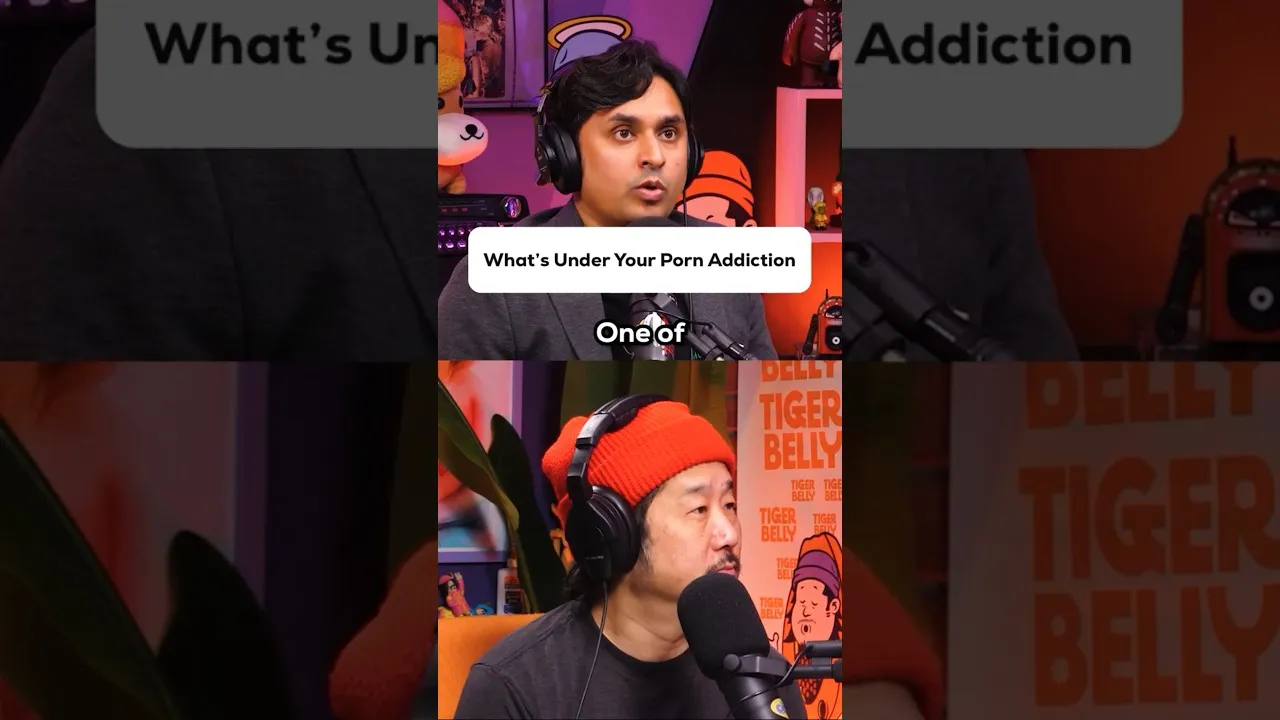
Beat Porn Addiction: Master Your Emotions First
Struggling with pornography addiction? Understanding how your brain works and learning to manage your emotions are key to overcoming it. It’s not just about sex; it’s about how you cope with difficult feelings.
Early Exposure and Brain Development
One significant risk factor for developing a pornography addiction is exposure to explicit content before puberty. This is a critical period for brain development. Think of a young brain like freshly poured concrete. Whatever experiences or substances it encounters during this time can deeply shape how it wires itself.
This early exposure can influence how the brain learns to cope with stress and emotions later in life. It’s during these formative years that neural pathways are being established. Introducing complex or stimulating content like pornography can impact this natural wiring process.
Pornography Addiction: An Emotional Regulation Issue
At its core, pornography addiction is often about emotional regulation, not just sexual behavior. Many people mistakenly believe it’s solely about frequent masturbation. However, for many, it becomes a tool to manage feelings rather than a purely sexual pursuit.
Some individuals use pornography as a way to distract themselves from stress or difficult emotions. This can happen even when they are engaged in other demanding tasks. Imagine someone working on complex financial models on one computer screen while viewing explicit content on another. Their brain is seeking a way to switch off or numb uncomfortable feelings.
How Pornography Affects Your Brain
Our bodies are naturally wired for procreation, a drive that can override other functions when activated. Pornography is particularly effective at quieting down certain parts of the brain. It can significantly reduce activity in the amygdala, which is our brain’s fear center.
It also impacts the limbic system, the area responsible for our emotions. By shutting down these centers, pornography can offer a temporary escape from anxiety, fear, or sadness. This temporary relief can become a powerful, albeit unhealthy, coping mechanism.
The Cycle of Addiction and Relapse
This reliance on pornography for emotional relief can lead to a cycle of addiction. Many people find themselves returning to pornography when they face emotional challenges. This is a common pattern seen in various forms of addiction, including substance use and behavioral dependencies.
For example, individuals recovering from substance use disorders sometimes experience a surge in other addictive behaviors, like tech or pornography addiction. This highlights how the brain seeks familiar ways to cope with distress, even when trying to abstain from one substance.
Overcoming Pornography Addiction
Just like with any other addiction, overcoming pornography addiction involves learning alternative ways to manage emotions. The goal is to develop healthier coping strategies that don’t rely on external stimuli like pornography.
The more skilled you become at identifying and managing your feelings in healthy ways, the less your brain will need pornography as an escape. This might involve practices like mindfulness, exercise, therapy, or engaging in hobbies. Building emotional resilience strengthens your ability to handle life’s ups and downs without resorting to addictive behaviors.
Key Health Takeaways
- Pornography addiction is often linked to using it as a tool for emotional regulation.
- Early exposure to pornography before puberty can increase the risk of addiction later in life.
- Pornography can temporarily calm the brain’s fear and emotional centers, offering escape from distress.
- Relapse often occurs during times of emotional difficulty or stress.
- Overcoming addiction involves learning and practicing healthier ways to manage emotions.
A Note on Seeking Help
If you are struggling with pornography addiction or any other behavioral issue, it is important to seek professional guidance. This article provides general information based on expert insights but is not a substitute for medical advice.
Always consult with a qualified healthcare provider or therapist to discuss your specific situation and develop a personalized treatment plan. They can offer tailored strategies and support to help you on your journey to recovery.
Source: What's Under Your P*rn Addiction? @TigerBelly (YouTube)