Beat Sugar Cravings with Mind Training Techniques
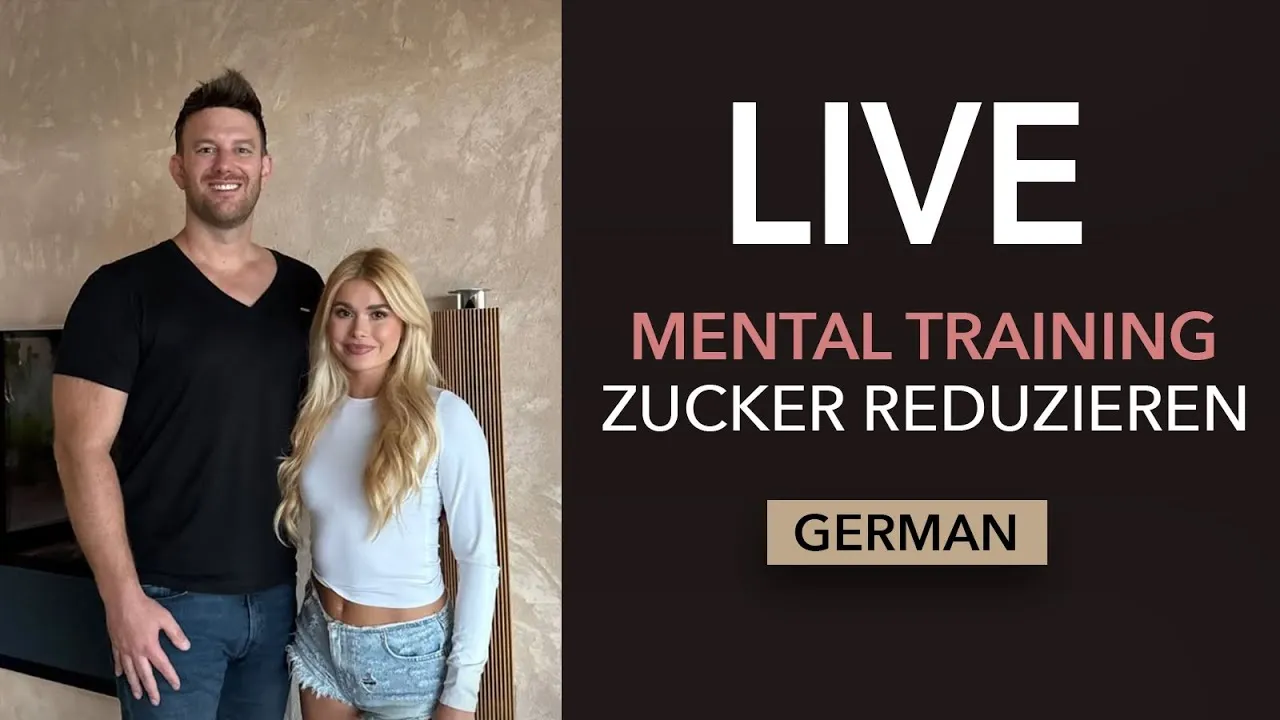
Many people struggle with intense sugar cravings, often driven by emotional triggers rather than true hunger. Diplom-Psychologe Dr. Marco Ratschlag, a psychologist and sports scientist based in Cologne, Germany, advocates for mental training techniques to address these cravings at their root. Instead of focusing on willpower alone, this approach targets the subconscious mind to reduce the irrational desire for sugar, particularly in moments of stress, sadness, or the need for reward.
Understanding Emotional Hunger vs. Physical Hunger
Dr. Ratschlag emphasizes the distinction between physical hunger, which signals a need for energy and nutrients, and emotional hunger. Emotional hunger is characterized by an intense desire for specific foods, often sugary treats, that arises from feelings like frustration, sadness, or a need for self-reward. While sugar can be a beneficial energy source before or after physical activity, its consumption driven by emotional states is often counterproductive and can lead to a cycle of cravings and guilt.
“The head really stands above everything,” Dr. Ratschlag states, highlighting the brain’s powerful influence over behavior. By addressing the underlying emotional and subconscious drivers of these cravings, significant changes can be made. This approach can even impact physical symptoms that may be psychosomatic, as experienced by Pamela, who found relief from ear issues by working on underlying stress triggers through mental training.
The Brain’s Emotional vs. Rational Centers
Dr. Ratschlag explains that the brain has two key areas involved in decision-making and behavior: the rational prefrontal cortex and the limbic system, which is the center for emotions. Often, particularly during intense cravings, the emotional limbic system can overpower the rational mind. This is why knowing intellectually that one should avoid sugar doesn’t always translate into action when strong emotions are present.
“Our emotions really override,” he describes, referring to the limbic system becoming so active that it suppresses rational thought. The goal of the mental training techniques is to regulate these emotional responses, thereby strengthening the rational mind’s influence. This allows individuals to make more conscious choices about their food intake, rather than acting on automatic, emotion-driven impulses.
Targeting Specific Cravings with Proven Techniques
The training session focuses on identifying a specific, highly desirable sugary product that triggers strong cravings. Participants are encouraged to recall a situation where their desire for this product would be a ‘ten out of ten.’ This could be after a stressful day, seeking comfort or reward.
The techniques employed are designed to regulate emotions, both positive and negative, that become associated with sugary foods. These associations can stem from childhood experiences, such as receiving sweets as rewards, or from linking certain foods with feelings of love, comfort, or pride (e.g., a grandmother’s baking). Conversely, sugar can also be used as a coping mechanism to numb unpleasant emotions like fear or feelings of inadequacy.
Eye Movement Desensitization and Reprocessing (EMDR)-Inspired Techniques
One of the core techniques involves eye movements, inspired by methods like Wingwave and EMDR. This process involves focusing on the physical sensation of the craving while simultaneously performing specific eye movements. The idea is that these movements help to process and desensitize the emotional charge associated with the craving.
During the exercise, participants are guided to identify where they feel the emotional response in their body. Then, while focusing on that sensation, they follow the therapist’s hand with their eyes, moving them from side to side, up and down. This dual focus is believed to help regulate the emotional intensity and reduce the automatic response to crave sugar.
Hypnotherapy for Reduced Cravings
The second technique utilized is hypnotherapy. Dr. Ratschlag reassures participants that hypnosis is a safe and accessible state, akin to being deeply relaxed during a massage. It is not about losing control but rather accessing a more receptive state of mind.
In this state, suggestions are given to help reduce the urge for sugary foods and reinforce the ability to make healthier choices. The aim is to create new subconscious associations and reduce the automatic impulse to reach for sugar when faced with emotional triggers. Participants can open their eyes at any time, ensuring they remain comfortable and in control throughout the process.
Who Can Benefit?
This mental training approach is beneficial for anyone who experiences strong, often irrational, cravings for sugar, especially when linked to emotional states. It is particularly relevant for individuals who find traditional willpower methods insufficient. While the session focuses on sugar, the underlying principles of emotional regulation and subconscious reprogramming can be applied to other cravings and behaviors.
Disclaimer
This article is for informational purposes only and does not constitute medical advice. The techniques described are intended for self-improvement and should not replace professional medical or psychological treatment. Always consult with a qualified healthcare provider or mental health professional for any health concerns or before making any decisions related to your health or treatment.
Key Health Takeaways
- Distinguish between physical hunger and emotional hunger to better manage cravings.
- Understand that intense sugar cravings are often driven by emotions, not just a need for energy.
- Mental training techniques, like those involving eye movements and hypnotherapy, can help regulate emotional responses to sugar.
- These methods aim to reduce subconscious impulses, strengthening rational decision-making regarding food choices.
- Consult a healthcare professional for personalized advice and treatment for persistent cravings or health issues.
Source: LIVE MENTAL TRAINING – Zucker reduzieren mit @drmarcorathschlag (Dipl.-Psychologe) (YouTube)