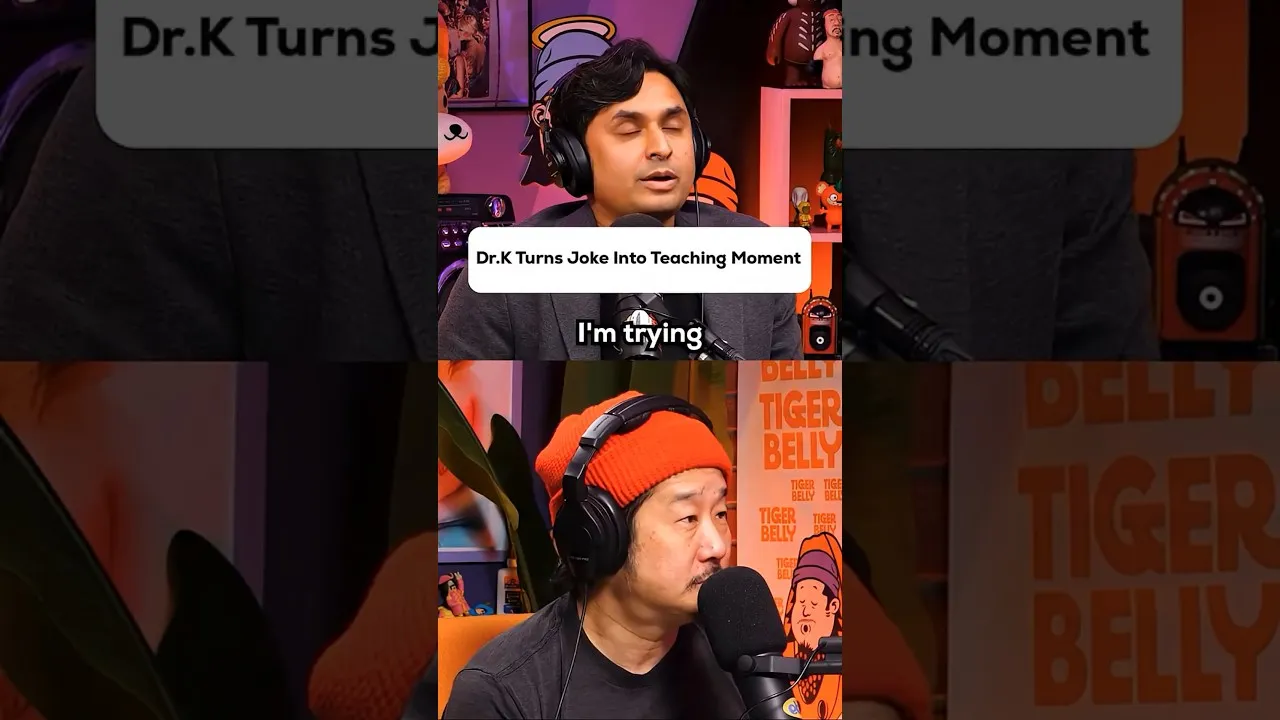
Understand Your Feelings When Joked About
Sometimes, a joke can hit harder than intended, leaving you wondering how to react. This is especially true when the joke touches on sensitive topics or personal identity. Understanding your emotional response to such situations is key to processing them healthily. It’s not always about the words themselves, but what they trigger inside you.
When someone makes a joke, especially one that might feel like a jab, it’s natural to feel a mix of emotions. You might feel surprised, confused, or even a little hurt. The important part is to acknowledge these feelings instead of pushing them away. They are valid signals about how the interaction landed with you.
The Role of Socialization
Our upbringing and the social cues we receive play a big role in how we handle these moments. Often, women are socialized to take on certain roles, like being the caretaker or the peacekeeper. This can mean feeling pressure to smooth over awkward situations or to not make a fuss when a joke feels off. It’s like being trained to fill a certain space in conversations and relationships.
This can create a challenge because it might feel difficult to express your true feelings. You might worry about upsetting others or disrupting the mood. However, learning to voice your feelings, even if it’s just to yourself at first, is a vital step in self-awareness. It helps you understand your own boundaries and needs.
Analyzing Low-Effort Jokes
Jokes that rely on stereotypes or are made in moments of doubt are often considered low-effort. They don’t require much creativity and can sometimes feel like a last resort. When you hear one of these jokes, especially if it feels like it’s aimed at you or someone you care about, it’s worth pausing to think about why it landed poorly.
These types of jokes can be particularly frustrating because they might trivialize important aspects of identity or experience. For instance, a joke that uses a group’s identity as the punchline can feel dismissive. It’s like a shortcut to humor that doesn’t consider the impact on the people being joked about.
Processing Your Reaction
So, how do you process this? First, allow yourself to feel whatever comes up. Were you surprised? Annoyed? Confused? There’s no right or wrong way to feel. Then, consider the context of the joke and the person telling it. Was it a close friend trying to be funny, or someone you don’t know well?
You don’t always have to confront the person directly, especially if it doesn’t feel safe or productive. Sometimes, simply reflecting on the joke and your reaction afterward is enough. You can talk it over with a trusted friend or journal about it. The goal is to understand yourself better, not necessarily to change others.
When to Speak Up
There are times when speaking up is important. If a joke consistently crosses a line or makes you feel uncomfortable, setting a boundary can be necessary. You can do this calmly and directly. For example, you might say, “I didn’t find that joke funny,” or “I’m not comfortable with jokes like that.”
This isn’t about being overly sensitive; it’s about self-respect and fostering healthier communication. By understanding your own reactions and learning how to respond in ways that feel right for you, you can navigate social interactions with more confidence. Remember, your feelings are valid, and taking a moment to understand them is a sign of strength.
Key Health Takeaways
- Acknowledge and validate your emotional response to jokes, especially those that touch on sensitive topics.
- Understand how societal expectations, particularly for women, can influence your reaction to humor and social situations.
- Recognize that jokes relying on stereotypes or made in moments of doubt are often low-effort and can be hurtful.
- Process your feelings by reflecting, journaling, or talking with a trusted friend.
- Consider setting boundaries if jokes consistently make you uncomfortable or cross your personal lines.
This article is for informational purposes only and does not constitute medical advice. Always consult with a qualified healthcare provider for any health concerns or before making any decisions related to your health or treatment.
Source: Dr. K Turns a Joke Into Teaching Moment @TigerBelly (YouTube)