Strengthen Your Midsection in Just 15 Minutes
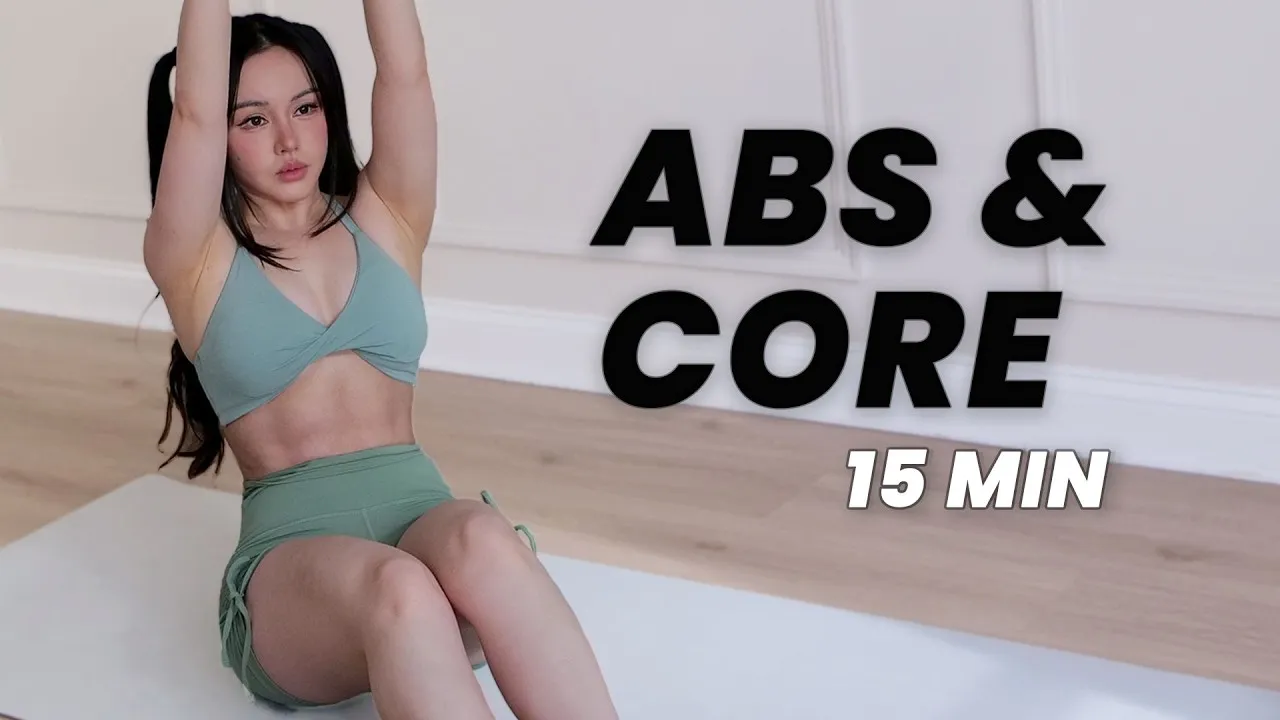
A strong core is fundamental for overall health, improving posture, reducing back pain, and enhancing athletic performance. Fortunately, you don’t need hours in the gym to achieve a powerful core. This 15-minute, at-home workout, designed to be performed with or without dumbbells, offers an effective way to target and strengthen your abdominal and back muscles. Whether you’re a beginner looking to build a solid foundation or an experienced fitness enthusiast seeking to intensify your routine, this routine provides a comprehensive challenge.
Workout Breakdown: 15 Exercises for Maximum Impact
This workout features 15 distinct exercises, each performed for 45 to 50 seconds, followed by a brief 10-second rest. This structure ensures a high-intensity session that maximizes muscle engagement in a short period. The exercises can be modified using bodyweight alone, a water bottle, or a dumbbell, making it accessible to everyone.
Key Exercises and How to Perform Them:
- Weighted Dead Bug: Lie on your back with a dumbbell held vertically above your chest. Extend one leg straight out while keeping your lower back pressed into the mat. Slowly return to the starting position and alternate legs. Focus on controlled movements and continuous breathing.
- Dumbbell Flutters: While lying on your back, lift your shoulders and legs slightly off the floor. Begin fluttering your legs up and down, engaging your core to support your lower back.
- Dumbbell Sit-Up to Press: Lie on your back holding a dumbbell at your chest. Sit up, pressing the dumbbell overhead. Slowly lower the weight back to your chest as you control your descent back to the floor.
- Dumbbell Crunch: Lie on your back with knees bent and feet flat on the floor, holding a dumbbell with both hands. Lift your shoulders off the ground, bringing the dumbbell towards your feet while engaging your abdominal muscles.
- Dumbbell Hold March: Position yourself on your back in a bridge pose with a dumbbell held straight above your chest. Lift one knee towards your chest, then lower it with control. Alternate legs, maintaining a tight core throughout.
- Pullover Bridge Hold: In the same bridge position, hold the dumbbell overhead. As you maintain the bridge, slowly lower the dumbbell behind your head, then return it to the starting position. Focus on keeping your hips stable and core engaged.
- Pullover Leg Drop: Lie on your back holding a dumbbell above your chest. Simultaneously lower the dumbbell overhead and extend one leg towards the floor. Return to the start and alternate sides.
- Plank Pull Through: Start in a plank position with your knees hovering just off the mat and a dumbbell beside you. Reach under your body with one hand to pull the dumbbell to the opposite side, then switch hands. Keep your hips as steady as possible.
- Dumbbell Bear Crawl: Get into a bear position with dumbbells in each hand and knees hovering off the mat. Take a few small, controlled steps forward, then backward. Maintain a stable core and avoid excessive hip movement.
- Plank Around the World: In a high plank position with a dumbbell in front of you, use one hand to guide the dumbbell in a full circle around your body. Alternate directions. Keep your core tight to prevent hip rotation.
- V-Sit Pass Under: Sit on your mat, lean back slightly into a V-sit position with feet hovering off the floor. Pass the dumbbell under your legs from one hand to the other, extending your legs between passes.
- Single Leg Crunch with Dumbbell: Lie on your back with one dumbbell held above your chest. Bend one leg and extend the other. Crunch towards the extended leg, then slowly lower back down. Repeat on the other side.
- Seated Rainbow: Sit on the mat with knees bent and feet on the floor. Hold a dumbbell between your feet. Lean back slightly with hands supporting you. Lift the dumbbell and move it in an arc (rainbow shape) from one side to the other.
- Low Plank Pull Through: Start in a low plank position with a dumbbell beside you. Reach with your opposite arm to pull the dumbbell across your mat to the other side, alternating arms. Keep your hips stable and core engaged.
Benefits of a Strong Core
Regularly engaging your core muscles through exercises like these can lead to significant health improvements. A stronger core can help alleviate and prevent lower back pain by providing better support for your spine. It also improves balance and stability, which is crucial for everyday activities and athletic performance. Furthermore, a toned core contributes to better posture, making you appear more confident and can even aid in more efficient breathing.
Who Can Benefit?
This workout is suitable for most fitness levels, from beginners to advanced individuals. Beginners can opt for bodyweight variations or lighter weights and focus on proper form. Those with more experience can increase the weight or duration of each exercise. Individuals experiencing mild lower back discomfort might find this routine beneficial, but it’s always advisable to consult with a healthcare professional before starting any new exercise program, especially if you have pre-existing conditions.
Important Considerations
Always prioritize proper form over speed or weight. Listen to your body and modify exercises as needed. If you feel sharp pain, stop the exercise immediately. Ensure you maintain consistent breathing throughout each movement; holding your breath can increase blood pressure and reduce effectiveness.
Disclaimer
This article is for informational purposes only and does not constitute medical advice. The exercises described should be performed with caution. Always consult with a qualified healthcare provider or certified fitness professional before beginning any new fitness program or making any changes to your existing routine, especially if you have any underlying health conditions or concerns.
Key Health Takeaways
- A 15-minute weighted core workout can effectively strengthen abdominal and back muscles.
- Exercises can be adapted using bodyweight, household items, or dumbbells for accessibility.
- A strong core improves posture, reduces back pain, and enhances balance and stability.
- Focus on proper form and controlled movements for maximum benefit and injury prevention.
- Always consult a healthcare professional before starting a new exercise program.
Source: 15 Min Abs & Core Workout – At Home, Bodyweight or with Dumbbells (YouTube)