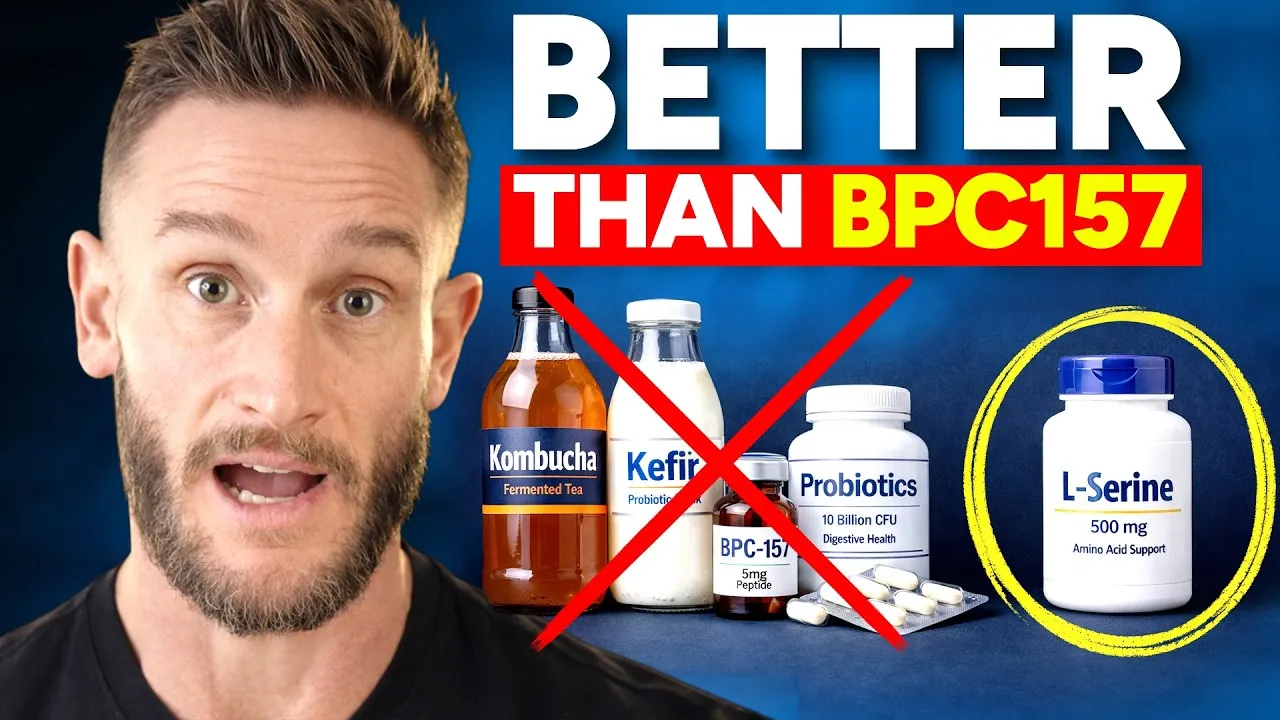
Unlock Gut Health and Sharpen Your Mind with This Underrated Amino Acid
Many people embark on extensive journeys to heal their gut, exploring probiotics, strict elimination diets, and various tests for food sensitivities. While these approaches can offer benefits, a crucial element is often overlooked: the gut’s mucus barrier. This physical shield, situated between the gut lining and the external environment, plays a vital role in preventing inflammation and maintaining the gut-brain connection. When this barrier weakens, it can trigger not only digestive issues but also send inflammatory signals directly to the brain, contributing to symptoms like brain fog, mood fluctuations, fatigue, and bloating.
Understanding the Gut Mucus Barrier
Your digestive tract is more than just a simple tube; it’s protected by a specialized, gel-like mucus layer. This barrier acts as a buffer, keeping potentially harmful bacteria at a safe distance from the intestinal wall and preventing an overreaction of the immune system with every meal. Research, including a study on inflammatory bowel disease in mice, highlights the importance of this protective layer. In this study, mice fed a diet deficient in the amino acid L-serine showed a significant breakdown of their mucus barrier. They produced more mucus-degrading bacteria, leading to a thinned and compromised barrier. This indicates that without sufficient serine, the gut lacks the essential building blocks to maintain this critical defense line.
The Gut-Brain Axis: Inflammation’s Double Impact
When the gut barrier is compromised, bacteria can come into closer contact with the gut lining, triggering an inflammatory response. This inflammation doesn’t remain localized. Signaling molecules called cytokines travel throughout the body, reaching the brain. Here, the brain’s own immune cells, such as astrocytes and microglia, become activated, perceiving a threat even if the brain itself is not directly affected. This neuroinflammation is strongly linked to common symptoms like brain fog, reduced motivation, fatigue, and mood disturbances. Essentially, the brain reacts as if under attack due to signals originating from a weakened gut barrier.
Studies investigating the gut-brain connection underscore this link. For instance, research published in Neuropharmacology examined the effects of L-serine in mice following a traumatic brain injury (TBI). While a TBI itself causes a significant inflammatory spike, the study observed that L-serine administration led to a dramatic reduction in key inflammatory markers in the brain, including TNF-alpha, Interleukin-1 beta, and IL-6, while simultaneously increasing the anti-inflammatory marker IL-10. This suggests that L-serine can help downregulate the same inflammatory pathways activated when the gut sends distress signals, effectively acting as a buffer against brain inflammation triggered by gut issues.
L-Serine: A Key Player in Gut and Brain Health
L-serine, a simple and often overlooked amino acid, plays a crucial role in maintaining both the gut barrier’s integrity and calming neuroinflammation. It provides the body with the necessary raw materials to build and maintain the mucus layer, acting as a physical shield. Furthermore, by reducing gut inflammation, it lessens the signals sent to the brain, thereby mitigating neuroinflammation and its associated symptoms.
Impact on the Microbiome
Beyond its role in barrier function, L-serine also influences the gut microbiome. While diet is a significant factor in gut dysbiosis (an imbalance of gut bacteria), research indicates that low serine levels alone can promote an environment conducive to dysbiosis. The same inflammatory bowel disease study mentioned earlier found that serine deficiency led to an overgrowth of mucus-eating bacteria, independent of dietary factors. Conversely, studies involving piglets supplemented with L-serine during periods of gut stress showed improved intestinal structure, reduced inflammation and oxidative stress, fewer dying gut cells, and better nutrient absorption. This resilience in the face of stress helps maintain a balanced microbiome, which in turn keeps inflammatory signals to the brain lower.
Connecting the Dots: Barrier, Brain, and Serine
When the mucus barrier is weak, inflammation can become chronic. This persistent inflammation activates the brain’s immune cells, leading to symptoms like brain fog, fatigue, and mood swings. L-serine acts at this critical junction, providing the physical support for the gut barrier and helping to calm the chemical environment in the brain. By supporting these two systems, L-serine can help improve how the brain interprets gut signals, leading to a more harmonious gut-brain axis. This can translate into meals being less stressful, clearer thinking, reduced post-meal energy crashes, better stress recovery, and a more cooperative metabolism.
Dietary Sources and Recommendations
While L-serine can be obtained through supplements, it is also found in various foods. A quick search can identify serine-rich foods. It’s important to note that this information is for educational purposes and not a substitute for professional medical advice. Always consult with your healthcare provider before making any changes to your diet or starting new supplements, especially if you have pre-existing health conditions.
Key Health Takeaways
- The gut’s mucus barrier is a critical defense layer that protects the intestinal lining from bacteria and prevents inflammation.
- A weakened mucus barrier can lead to gut inflammation, which sends inflammatory signals to the brain, causing symptoms like brain fog, fatigue, and mood changes.
- L-serine, an amino acid, is essential for maintaining the integrity of the mucus barrier and has been shown to reduce neuroinflammation.
- Low L-serine levels can contribute to gut dysbiosis by promoting the growth of mucus-degrading bacteria.
- Supporting the gut barrier with adequate L-serine can help improve the gut-brain connection, leading to clearer thinking and reduced digestive discomfort.
- Consult a healthcare professional before starting any new supplement or making significant dietary changes.
Disclaimer: This article is for informational purposes only and does not constitute medical advice. It is essential to consult with a qualified healthcare professional for any health concerns or before making any decisions related to your health or treatment. The information presented here is not intended to diagnose, treat, cure, or prevent any disease.
Source: 2g Rebuilds the Gut Barrier Faster than Anything I've Seen (YouTube)