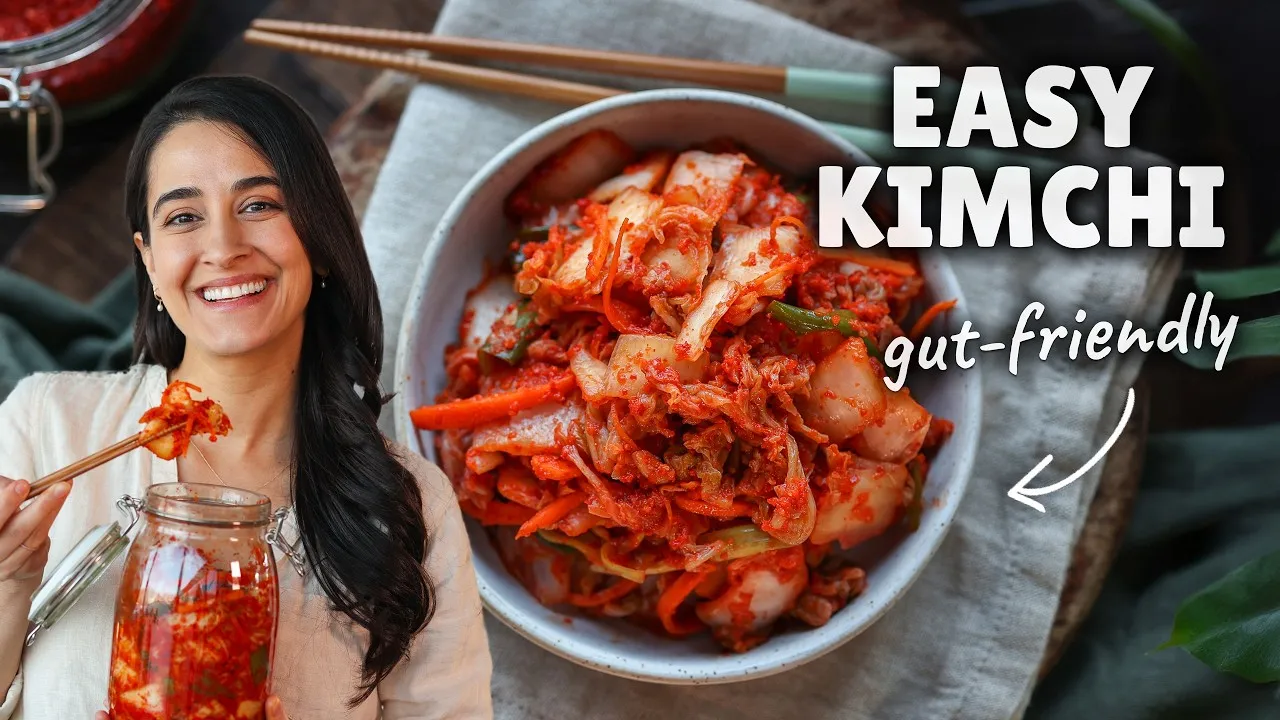
Boost Gut Health: Make Your Own Kimchi
Kimchi, a cornerstone of Korean cuisine and a celebrated fermented food, is gaining popularity worldwide for its complex flavors and significant health benefits, particularly for the gut. While store-bought options are convenient, preparing kimchi at home offers a more cost-effective and potentially more potent way to enjoy this tangy, spicy delicacy. This article outlines a simple, beginner-friendly method for making a vegan kimchi at home, highlighting its probiotic advantages and culinary versatility.
The Gut Health Power of Fermented Foods
Kimchi is a prime example of a fermented food, a category of foods that have undergone controlled microbial growth and enzyme action. This fermentation process is key to kimchi’s appeal and health properties. During fermentation, beneficial bacteria, primarily lactic acid bacteria (LAB), proliferate. These bacteria are probiotics, which are live microorganisms that, when consumed in adequate amounts, confer a health benefit on the host. Probiotics are known to support a healthy gut microbiome, which plays a crucial role in digestion, nutrient absorption, immune function, and even mental well-being.
Traditional kimchi often includes ingredients like fish sauce, shrimp paste, or other seafood, which contribute to its unique umami flavor. However, for those seeking a plant-based option or aiming to avoid certain ingredients, a vegan version can be equally delicious and beneficial. The recipe detailed here focuses on accessible ingredients to create a flavorful, gut-friendly kimchi without animal products.
Simple Vegan Kimchi Recipe
Ingredients You’ll Need:
- 1 kilogram Napa cabbage
- 25 grams iodine-free salt (coarse sea salt, fine sea salt, or kosher salt)
- 1/2 small onion
- 5 cloves garlic
- 1/2 sweet red apple
- A chunk of fresh ginger
- Vegetable broth
- Soy sauce
- Miso paste
- Gochugaru (Korean red pepper flakes)
- 1 carrot
- Green onions
Step-by-Step Preparation:
1. Preparing the Cabbage: Start with a kilogram of Napa cabbage. Instead of slicing, you can cut it at the base and tear it open to retain a nice texture in the leaves. Quarter the cabbage and then chop it into roughly 1-inch chunks. Place these chunks in a large bowl and sprinkle with about 25 grams of iodine-free salt. Do not reduce the salt, as it’s crucial for drawing out moisture and initiating fermentation. Toss the cabbage gently for a few minutes to soften it. Let it sit for approximately two hours, tossing it once or twice during this period.
2. Making the Kimchi Paste: While the cabbage rests, prepare the paste. In a food processor, combine half a small onion, five cloves of garlic, and half a sweet red apple. The apple provides natural sugars to kickstart fermentation. Add a chunk of fresh ginger, vegetable broth, soy sauce, and miso paste. These latter ingredients replace the salty, umami notes typically provided by fish sauce in traditional kimchi. The star ingredient is gochugaru, Korean red pepper flakes, which are essential for kimchi’s characteristic flavor and color. You may need to source this from an Asian market or online. Blend these ingredients until smooth.
3. Adding Vegetables: Prepare your add-in vegetables. Julienne one carrot (cut into matchstick-like pieces). Chop a few stalks of green onions into 2-inch chunks, and consider cutting them lengthwise to mellow their flavor. While traditional recipes might include Korean or Daikon radish, this simplified version omits them.
4. Combining and Packing: After the cabbage has rested, it will have released significant liquid and reduced in volume. Drain it in a sink and rinse under cold water to wash away excess salt. Gently squeeze handfuls of cabbage to remove excess liquid, then return it to the large bowl. Add the julienned carrots, chopped green onions, and the prepared kimchi paste. Mix everything together thoroughly. Wearing gloves is recommended, especially if you have cuts on your hands.
5. Fermentation: Pack the mixture firmly into a clean jar, pressing it down to ensure it’s submerged in its own juices. Leave about an inch of headspace at the top of the jar to allow room for fermentation gases. Close the lid and leave the jar on the counter, away from direct sunlight, overnight.
The Fermentation Process and Storage
The next day, open the lid to ‘burp’ the jar, releasing any built-up gas. You can taste the kimchi at this stage. For a milder flavor, it might be ready after one or two days, especially in warmer climates. If you prefer a tangier kimchi, leave it on the counter for an additional day or two, remembering to burp it daily. Once the desired tanginess is achieved, move the jar to the refrigerator. Refrigeration significantly slows down the fermentation process, preserving the kimchi and allowing it to last for months.
Versatility and Benefits
Homemade kimchi is incredibly versatile. It can be added to fried rice, stirred into noodle dishes, incorporated into salads, used in wraps (like gimb), piled on hot dogs, or tucked into sandwiches. Beyond its delicious taste and affordability, the primary benefit lies in its probiotic content, supporting a healthy gut microbiome. This vegan version offers a flavorful, gut-friendly, tangy, and spicy addition to your diet.
Who Should Consider Making Kimchi?
This recipe is ideal for anyone interested in fermented foods, gut health, plant-based eating, or saving money on groceries. It’s suitable for beginners looking for an accessible entry into kimchi making. Individuals with digestive concerns may find incorporating probiotic-rich foods like kimchi beneficial, though it’s always wise to consult a healthcare provider.
Important Disclaimer
This article provides information based on a recipe and general knowledge about fermented foods. It is not intended as medical advice. Always consult with a qualified healthcare professional or a registered dietitian before making significant changes to your diet, especially if you have underlying health conditions or are taking medications. The specific health benefits of kimchi can vary depending on the ingredients and fermentation process.
Key Health Takeaways
- Probiotic Powerhouse: Kimchi is rich in probiotics, beneficial bacteria that support gut health and digestion.
- Cost-Effective: Making kimchi at home is significantly cheaper than buying it pre-made.
- Versatile Ingredient: Enjoy homemade kimchi in various dishes, from rice and noodles to sandwiches and salads.
- Vegan-Friendly: This recipe offers a delicious, plant-based alternative to traditional kimchi.
- Customizable Fermentation: Adjust the fermentation time to achieve your preferred level of tanginess.
Source: Stop buying KIMCHI, make this instead (+ save money!) (YouTube)