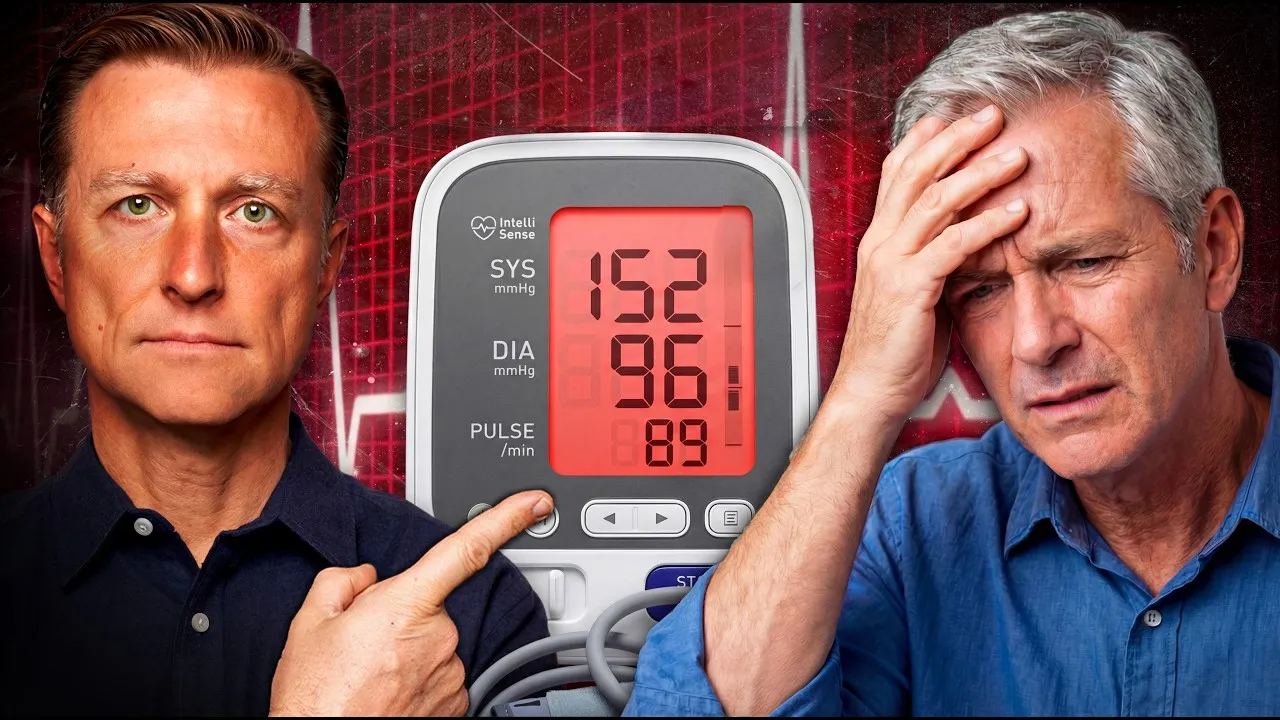
Unlock Better Blood Pressure: The Potassium Connection
Millions struggle with high blood pressure, often told to cut salt and take a pill. But what if the real issue isn’t just too much salt, but too little of another vital mineral? Research suggests that potassium plays a crucial role in managing blood pressure, and many Americans aren’t getting enough.
The Sodium-Potassium Balance: A Key Insight
For decades, the focus for managing high blood pressure has largely been on reducing sodium intake. However, a significant body of research, including a large-scale study by Harvard researchers involving over 10,000 adults, highlights the importance of the sodium-potassium ratio. This study tracked cardiovascular outcomes and found a striking symmetry between the two minerals.
Potassium’s Protective Power
The Harvard research indicated that for every 1,000 mg of potassium consumed daily, there was an 18% reduction in cardiovascular risk. Conversely, for every additional 1,000 mg of sodium consumed, cardiovascular risk increased by 18%. This symmetrical, opposite effect underscores the critical balance between these two minerals.
The Danger of Imbalance
The real concern, according to this research, lies in the ratio. Individuals with the highest sodium-to-potassium intake ratio showed double the risk of fatal heart attacks compared to those with the lowest ratio. This suggests that looking at sodium and potassium together, rather than in isolation, is essential for understanding and managing blood pressure.
Why Americans Fall Short on Potassium
The average American consumes about 3,400 mg of sodium daily but only around 2,500 mg of potassium. The recommended daily intake for potassium is at least 4,700 mg. This significant shortfall means most people are not meeting their body’s needs for this vital mineral. Our ancestors, in contrast, consumed an estimated 11,000 to 15,000 mg of potassium daily, indicating our bodies are adapted to much higher levels.
How Potassium Works Wonders for Your Blood Vessels
Potassium influences blood pressure through several key mechanisms:
- Relaxes Blood Vessels: Potassium helps blood vessels dilate, or widen. This relaxation, known as vasodilation, allows blood to flow more easily, reducing pressure on artery walls. Without enough potassium, blood vessels can remain constricted and stiff, contributing to high blood pressure.
- Calms the Nervous System: Potassium acts as a natural ‘beta-blocker,’ helping to counteract the effects of adrenaline. Adrenaline triggers the ‘fight or flight’ response, which can constrict blood vessels. Potassium supports the ‘rest and digest’ state, promoting a calmer nervous system and lower blood pressure.
- Protects Artery Linings: This mineral helps protect the inner lining of blood vessels, called the endothelium. It boosts nitric oxide production, which further aids in vasodilation and improves circulation.
- Supports Insulin Sensitivity: Potassium plays a role in how your body uses insulin. Maintaining good insulin sensitivity is crucial, as insulin resistance is a major driver of high blood pressure. Potassium helps keep insulin receptors working efficiently and supports the cells in the pancreas that produce insulin.
Medications and Potassium Levels
Interestingly, some common high blood pressure medications, particularly diuretics, can lead to a loss of potassium. These drugs work by helping the body eliminate excess fluid, but they can also flush out essential electrolytes like potassium. This creates a situation where a medication designed to lower blood pressure might inadvertently deplete a mineral that helps regulate it.
This is why doctors sometimes prescribe potassium supplements, like potassium chloride, alongside diuretics. However, the question arises: could adequate potassium intake from the start prevent the need for such medications or the subsequent need for potassium supplementation?
Understanding Potassium Supplementation
You might notice that potassium supplements available over-the-counter often contain only 99 mg of potassium, far below the recommended daily intake. This low dosage is often attributed to older studies from the 1960s and 70s that suggested high doses of potassium chloride could cause gastrointestinal issues, like ulcers.
However, a closer look at this research reveals potential flaws. The studies often involved potassium chloride combined with other medications, such as diuretics or NSAIDs (like aspirin), which are known to cause stomach irritation. It’s unclear if potassium itself was the culprit or if it was the combination of factors. Independent studies focusing solely on potassium in higher, more physiologically relevant doses have not consistently shown these adverse effects.
Beyond Potassium: The Role of Magnesium
While potassium is a key player, magnesium is another essential mineral that may support healthy blood pressure. Magnesium is vital for energy production within cells and plays a role in muscle function and stress response. Many experts believe that a combination of adequate potassium and magnesium is crucial for managing blood pressure effectively.
What to Eat for More Potassium
To increase your potassium intake, focus on whole, unprocessed foods. Excellent sources include leafy green vegetables (like spinach and kale), avocados, sweet potatoes, bananas, beans, lentils, and certain types of fish.
Key Health Takeaways
- High blood pressure affects nearly half of U.S. adults, and the cause for most cases remains unknown.
- The ratio of sodium to potassium in your diet is more critical for blood pressure than sodium alone.
- Low potassium intake is common in the U.S. and linked to increased cardiovascular risk.
- Potassium helps relax blood vessels, calm the nervous system, protect arteries, and improve insulin sensitivity.
- Some blood pressure medications can deplete potassium, creating a deficiency.
- Choose potassium-rich foods like leafy greens, avocados, and sweet potatoes to support heart health.
Disclaimer: This article is for informational purposes only and does not constitute medical advice. Always consult with your healthcare provider before making any changes to your diet, lifestyle, or medication regimen.
Source: The #1 Mineral Deficiency in High Blood Pressure (Hypertension) (YouTube)