Beyond the Gym: Why Social Connection and Purpose Are Key to a Long, Healthy Life
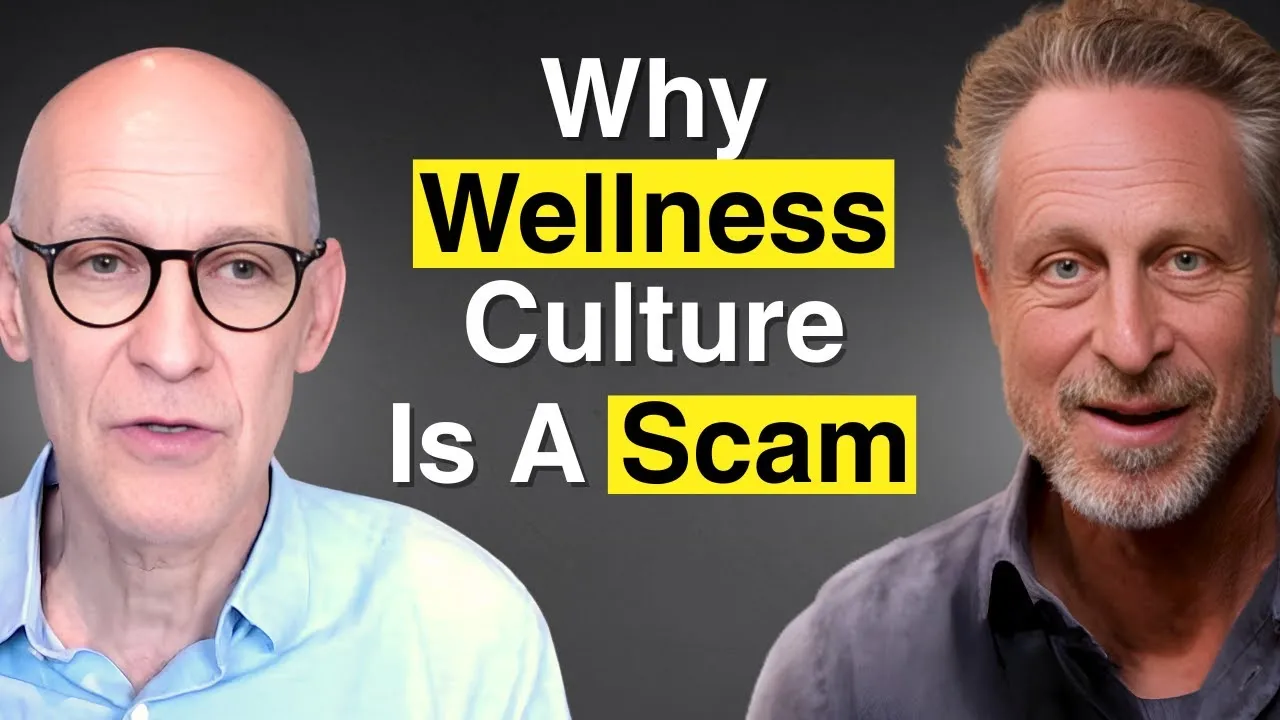
In a world increasingly focused on individual wellness trends, a leading oncologist and bioethicist argues that the path to a long and fulfilling life lies not just in diet and exercise, but in robust social connections and a strong sense of purpose. Dr. Ezekiel Emanuel, a prominent health policy expert and architect of the Affordable Care Act, contends that the modern wellness industry often overlooks these fundamental pillars of health, leading to a potentially narcissistic and incomplete approach to longevity.
The Loneliness Epidemic: A Silent Health Threat
Dr. Emanuel highlights that loneliness is a significant public health issue, comparable in its detrimental effects to smoking two packs of cigarettes a day. He points to a growing societal trend of isolation, exacerbated by factors like the overuse of social media and a general push towards individualistic pursuits. “The number one thing for a long and happy life is social relations and robust social relations,” Dr. Emanuel asserts. This emphasis on connection is crucial, as research and historical observations of long-lived populations consistently show strong community ties as a common factor.
Purpose: Fueling a Longer Life
Beyond social interaction, Dr. Emanuel stresses the importance of having meaning and purpose in life. He notes that individuals with a strong sense of purpose tend to live, on average, seven years longer. This counteracts the self-centeredness that can pervade some wellness narratives, which focus solely on personal longevity. “If you want to both be healthy and live a long and happy life, it’s about purpose, engaging with other people, and engaging your mind,” he explains. This integrated approach suggests that a truly healthy life involves contributing to something larger than oneself and maintaining intellectual curiosity.
Six Simple Rules for Health and Longevity
Dr. Emanuel’s book, “Eat Your Ice Cream: Six Simple Rules for a Long and Healthy Life,” aims to cut through the noise of the wellness industry with practical, evidence-based advice. He criticizes the obsessive focus on extreme physical regimens or unproven treatments, arguing that balance is key. The core principles he advocates for include:
- Robust Social Relationships: Cultivating deep connections with friends, family, and community members.
- Mental Engagement: Staying curious, learning new things, and keeping the mind active.
- Purpose: Finding meaning and a reason to contribute beyond oneself.
- Avoiding “Schmuckucky” Moves: Steering clear of inherently risky or detrimental behaviors, such as excessive alcohol consumption, smoking, and extreme, unnecessary dangers like climbing Mount Everest without proper preparation.
- Balanced Physical Health: Integrating exercise, proper nutrition, and adequate sleep as essential components, but not the sole focus of a healthy lifestyle.
The Wellness Industry’s Blind Spots
Dr. Emanuel expresses frustration with aspects of the wellness industry that promote narcissism and an overemphasis on individual physical optimization. He argues that many popular wellness trends lack broad scientific backing and can consume individuals’ lives without delivering proportional health benefits. He contrasts this with the lifestyles observed in “blue zones” or regions with high life expectancies, where healthy habits are often embedded in daily routines and social structures, rather than being a conscious, often burdensome, pursuit.
The concept of “weak ties”—casual interactions with people like baristas, neighbors, or fellow commuters—is also presented as a valuable, yet often underestimated, component of social well-being. These interactions, while not as deep as close friendships, contribute to a sense of belonging and can provide small, positive boosts to mood and social connection.
Integrating Health into Daily Life
The conversation, featuring insights from Dr. Mark Heyman, emphasizes that true health is often built into the fabric of daily life rather than being a separate, demanding regimen. This approach is more sustainable because it relies less on willpower, which can be easily depleted. When healthy behaviors are natural and enjoyable, they contribute to overall happiness and well-being.
Dr. Emanuel also draws parallels to historical wisdom from figures like Hippocrates and Aristotle, who recognized the importance of sociality, food, exercise, and sleep thousands of years ago. The key difference, he notes, is that these ancient physicians did not advocate for obsessive, all-consuming pursuits of wellness.
Community as Medicine
The power of group activities and community support in health outcomes is further underscored by shared experiences. Dr. Heyman recounts initiatives like shared medical appointments and faith-based wellness programs that demonstrated significantly better health outcomes and cost-effectiveness compared to one-on-one care, highlighting that “community is medicine.” This reinforces the idea that social connection is not just a pleasant addition to life but a critical determinant of health.
Actionable Steps for a Healthier Life
For individuals feeling isolated or overwhelmed by the wellness industry’s demands, Dr. Emanuel and Dr. Heyman offer practical guidance:
- Prioritize Social Interaction: Make time for friends and family. Engage in activities that foster connection, whether through regular dinners, group hobbies, or simply reaching out to loved ones.
- Cultivate Weak Ties: Engage in friendly conversations with people you encounter regularly. Ask open-ended questions and show genuine curiosity.
- Find Your Purpose: Explore activities or causes that give your life meaning and allow you to contribute to something larger than yourself.
- Be Mindful of Risks: Avoid unnecessary dangers and unhealthy habits. Make sensible choices that support long-term well-being.
- Integrate, Don’t Obsess: Weave healthy habits into your daily routine rather than making them an all-consuming focus.
By shifting the focus from individualistic, often extreme, wellness practices to the foundational importance of social connection, purpose, and balanced living, individuals can build a more sustainable and truly fulfilling path to a long and healthy life.
This article is based on insights from Dr. Ezekiel Emanuel, MD, PhD, a leading oncologist, bioethicist, and health policy expert at the University of Pennsylvania, and Dr. Mark Heyman. The information provided is for general knowledge and informational purposes only, and does not constitute medical advice. Always consult with a qualified healthcare provider for any health concerns or before making any decisions related to your health or treatment.
Source: Why The Wellness Industry Is Wrong | 6 Simple Rules for a Long, Healthy Life (YouTube)