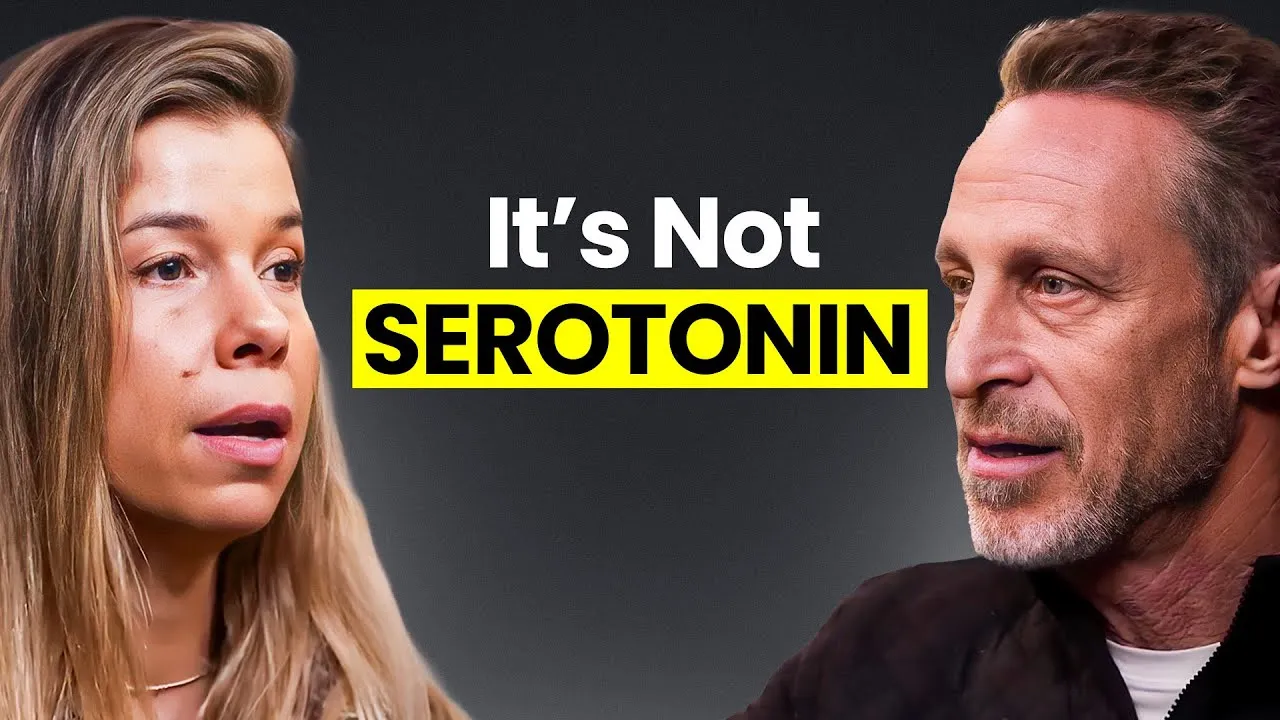
Omega-3s Show Promise in Combating Depression Triggered by Gut Inflammation
New research suggests a potential link between gut bacteria, inflammation, and depression, with omega-3 fatty acids like EPA emerging as a crucial factor in mitigating these effects. A compelling study highlights how a common bacterial component, lipopolysaccharide (LPS), when introduced into the bloodstream, can trigger depressive symptoms in healthy individuals. However, the same study found that pre-treatment with EPA, a key omega-3 fatty acid, significantly blunted these mood-altering effects.
The Gut-Brain Connection and Bacterial Toxins
Our gut is home to trillions of bacteria, forming a complex microbiome. Among these is lipopolysaccharide (LPS), a component of the outer membrane of certain bacteria. While essential for a healthy gut ecosystem, LPS can become problematic when the gut lining is compromised, a condition often referred to as “leaky gut” or increased intestinal permeability. In such cases, LPS can “leak” into the bloodstream.
Dr. Rhonda Patrick, a researcher in health and science, discusses a seminal study where healthy participants were injected with an amount of LPS equivalent to what might be absorbed from a permeable gut. The results were striking: the individuals developed depressive symptoms. This experiment provides a direct link between systemic inflammation, initiated by a bacterial toxin, and mood disorders.
EPA: A Powerful Anti-Inflammatory Ally
The same study offered a ray of hope. When participants were given EPA (eicosapentaenoic acid), one of the primary omega-3 fatty acids found in fish oil, prior to LPS injection, they did not experience the depressive symptoms. EPA is known to play a significant role in reducing inflammation by promoting the production of specialized pro-resolving mediators (SPMs), such as resolvins and protectins, which actively help to resolve inflammatory processes in the body.
“EPA seems to be very important for depression,” notes Dr. Patrick, emphasizing its role in dampening inflammation. This finding aligns with a growing body of evidence suggesting that inflammation is a significant, often overlooked, component of depression.
Inflammation and Treatment-Resistant Depression
Emerging research indicates that a substantial subset of individuals with depression, particularly those who do not respond to traditional antidepressant medications like SSRIs (Selective Serotonin Reuptake Inhibitors), often exhibit elevated levels of inflammatory markers, such as C-reactive protein (CRP). This suggests that for these individuals, depression may have a strong inflammatory undercurrent that SSRIs do not effectively address.
“Logically the next question would be, should we lower their inflammation?” Dr. Patrick posits. While some research has explored more aggressive anti-inflammatory therapies, such as biologics used for autoimmune diseases, the focus is increasingly shifting towards identifying and addressing the root causes of inflammation, including dietary and lifestyle factors.
Beyond Vitamins: The Role of Phytonutrients
The conversation extends beyond basic nutrients to the importance of phytonutrients – compounds found in plants that offer health benefits. Dr. Patrick highlights the work of Bruce Ames, who identified that nutrients are critical for pathways that can degrade with age, leading to inflammation and oxidative stress. He proposed that certain “conditionally essential nutrients,” like carnitine and taurine, are vital for biological function even if they don’t cause classic deficiency diseases.
Furthermore, Dr. Patrick introduces her theory of “symbiotic phytoadaptation,” which suggests that humans have co-evolved with plants to utilize their phytochemicals to regulate key bodily pathways. While a lack of these compounds might not lead to a deficiency disease like scurvy, it can impair crucial functions related to detoxification, antioxidant defense, and inflammation control.
Sulforaphane: A Broccoli Powerhouse
A prime example of a beneficial phytonutrient is sulforaphane, abundant in cruciferous vegetables like broccoli. Sulforaphane is derived from its precursor, glucoraphanin, which is converted by an enzyme called myrosinase. Chewing or chopping broccoli activates myrosinase, facilitating this conversion.
Broccoli sprouts are particularly rich in glucoraphanin, containing significantly higher amounts than mature broccoli florets. Dr. Patrick mentions taking a supplement called Avmacol, which stabilizes the myrosinase enzyme, as a way to ensure consistent intake of these beneficial compounds, noting its use in clinical studies.
Sulforaphane Activates NRF2 for Detoxification and Antioxidant Defense
Sulforaphane is a potent activator of NRF2, a master regulator of the body’s antioxidant and detoxification systems. NRF2 controls the expression of hundreds of genes involved in processes like:
- Phase 2 detoxification enzymes: These enzymes help neutralize and eliminate harmful substances, including potential carcinogens.
- Phase 1 biotransformation enzymes: While these can sometimes convert substances into carcinogens, NRF2 activation helps to balance this process, for instance, by reducing the conversion of nitrites (found in processed meats) into harmful nitroamines.
Activation of NRF2 normally occurs periodically within cells. However, sulforaphane can increase the frequency of this activation significantly, leading to enhanced antioxidant and anti-inflammatory effects. Studies have shown that sulforaphane and broccoli sprout extracts can increase glutathione levels, a critical antioxidant, in both the bloodstream and the brain. Research in areas with high air pollution has also indicated that sulforaphane supplementation can help the body excrete pollutants like benzene.
Implications for Mental Health and Longevity
The interconnectedness of gut health, inflammation, and mental well-being is becoming increasingly clear. By supporting gut integrity, managing inflammation through diet, and ensuring adequate intake of essential nutrients and phytonutrients like EPA and sulforaphane, individuals may be able to positively influence their mood and overall health. These strategies align with a functional medicine approach that seeks to address the root causes of health issues rather than just managing symptoms.
This article is for informational purposes only and does not constitute medical advice. Always consult with a qualified healthcare professional before making any decisions about your health or treatment.
Key Health Takeaways
- Gut Bacteria and Mood: A component of gut bacteria (LPS) can trigger depressive symptoms when it enters the bloodstream, highlighting the gut-brain connection.
- Omega-3s as a Buffer: EPA, an omega-3 fatty acid, was shown to prevent LPS-induced depressive symptoms in a study, suggesting its role in mitigating inflammation-related mood issues.
- Inflammation and Depression: Elevated inflammation markers are common in individuals with treatment-resistant depression, indicating a need to address inflammatory pathways.
- Phytonutrients Matter: Compounds from plants, like sulforaphane found in broccoli, activate key cellular pathways (e.g., NRF2) that support detoxification and antioxidant defense.
- Broccoli Sprouts Power: Broccoli sprouts are a concentrated source of glucoraphanin, the precursor to sulforaphane, offering potent anti-inflammatory and detoxifying benefits.
- Consult Your Doctor: Discuss any concerns about depression, gut health, or supplementation with a healthcare professional.
Source: This Bacterial Toxin is Causing Depression | Dr. Rhonda Patrick (YouTube)